Vertical Gardening
Vertical Pallet Gardens for Urban Spaces
Learn how to build stunning vertical pallet gardens for urban spaces. Step-by-step guide to creating productive gardens from recycled pallets.
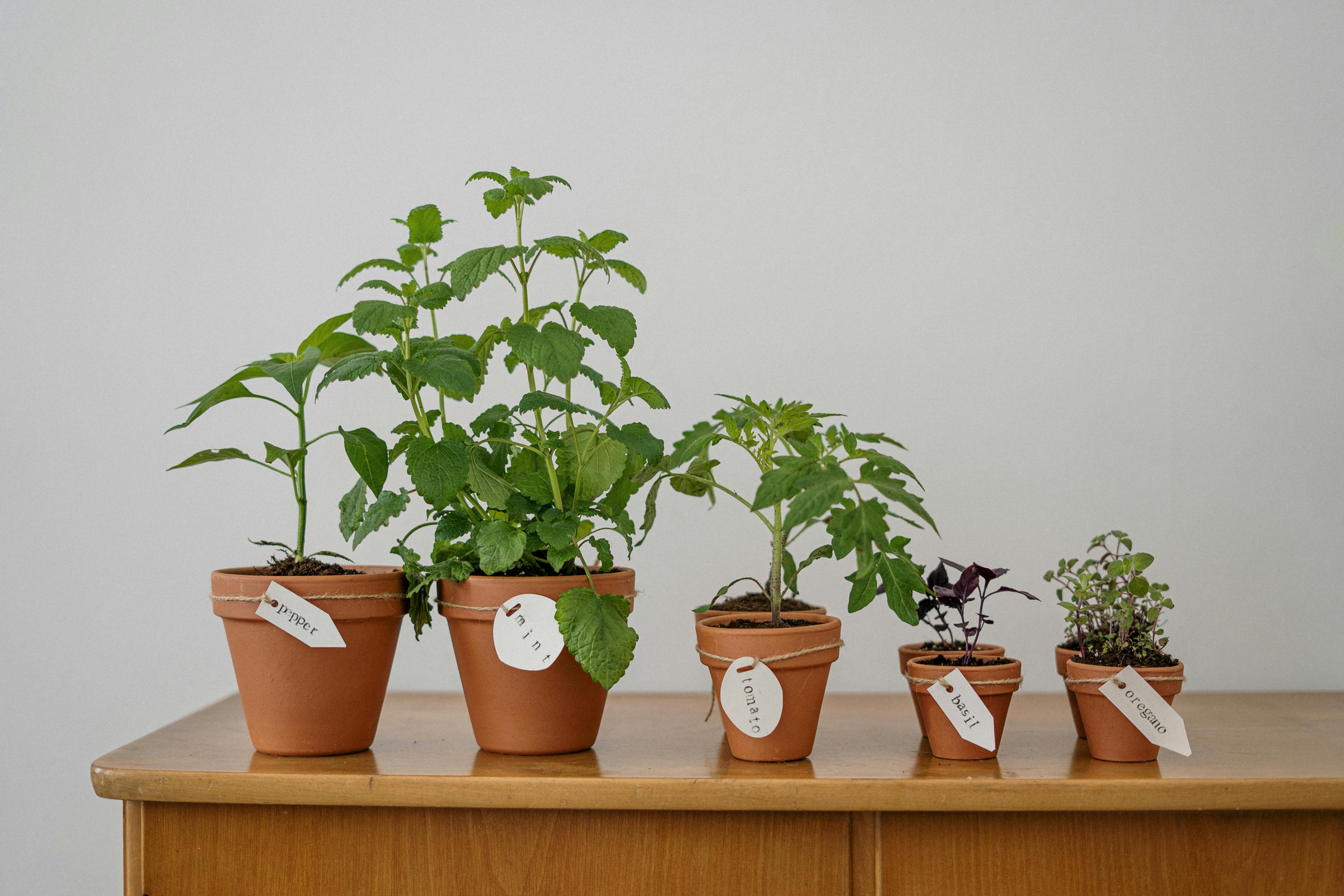
Vertical pallet gardens offer an ingenious solution for urban gardeners who want to maximize their growing space while adding rustic charm to their outdoor areas. By repurposing wooden pallets, you can create stunning living walls that produce fresh herbs, vegetables, and flowers in even the smallest spaces.
Why Choose Pallet Gardens?
Pallet gardens combine sustainability with practicality. These upcycled planters cost little to nothing, fit against walls and fences, and can be customized to suit any aesthetic. They're perfect for renters who need portable gardening solutions and homeowners looking to add vertical interest to their landscapes.
Selecting the Right Pallet
Not all pallets are safe for gardening. Look for pallets marked "HT" (heat-treated) rather than "MB" (methyl bromide treated). Avoid pallets with visible chemical stains, strong odors, or those that have transported hazardous materials. Food-grade pallets from grocery stores are often your safest option.
Pallet Safety Checklist
- Check for HT stamp indicating heat treatment
- Inspect for rot, mold, or pest damage
- Avoid pallets with chemical stains or odors
- Source from reputable businesses when possible
- Sand rough surfaces to prevent splinters
Building Your Pallet Garden
Creating a pallet garden requires minimal carpentry skills. Start by reinforcing the pallet structure, then add landscape fabric to create planting pockets. The key is ensuring adequate drainage while retaining enough soil for healthy root development.
Materials Needed
- Heat-treated wooden pallet
- Landscape fabric or burlap
- Staple gun with heavy-duty staples
- Quality potting mix
- Wood sealant (food-safe for edibles)
- Hanging hardware rated for the weight
Step-by-Step Assembly
- Sand the pallet thoroughly to remove splinters
- Apply food-safe wood sealant if growing edibles
- Staple landscape fabric to the back and bottom
- Create individual planting pockets between slats
- Fill with quality potting mix
- Plant seedlings through the fabric
- Water thoroughly and let establish horizontally for 2 weeks
- Mount vertically once roots are established
Best Plants for Pallet Gardens
Success with pallet gardens depends heavily on plant selection. Choose varieties with shallow root systems that can thrive in the limited soil volume of pallet pockets.
Ideal Herbs
Mediterranean herbs like thyme, oregano, rosemary, and sage thrive in pallet gardens because they prefer well-drained conditions. Mint family members like spearmint and lemon balm also perform well but should be contained in their own sections.
Vegetables That Work
Lettuce, spinach, and other leafy greens are perfect for pallet gardens. Strawberries cascade beautifully from upper pockets, while compact pepper varieties can produce surprising yields in this vertical format.
Ornamental Options
For decorative impact, consider succulents, trailing petunias, nasturtiums, or pansies. These create stunning living art pieces while requiring minimal maintenance.
Positioning and Installation
Location determines your pallet garden's success. Most edibles need 6-8 hours of direct sunlight, while shade-tolerant plants can thrive with less. Consider weight when mounting—a fully planted and watered pallet can weigh 100+ pounds.
Mounting Options
- Wall-mounted with heavy-duty brackets
- Leaned against a fence at an angle
- Freestanding with support legs
- Hung from sturdy overhead structures
Watering Vertical Pallets
Vertical gardens dry out faster than traditional containers. Install a drip irrigation system at the top, or water from above and let gravity distribute moisture. During hot weather, daily watering may be necessary.
Irrigation Tips
- Water from the top and allow gravity to help
- Check bottom pockets—they often stay wettest
- Add water-retaining crystals to the soil mix
- Consider a timer-controlled drip system
- Group plants with similar water needs together
Seasonal Maintenance
Pallet gardens require regular attention to remain productive. Refresh soil annually, rotate crops to prevent nutrient depletion, and replace landscape fabric when it deteriorates. In cold climates, bring pallets indoors or protect with frost cloth.
Creative Variations
Once you've mastered the basic pallet garden, explore creative variations. Paint pallets in vibrant colors, create themed herb gardens, or combine multiple pallets for a dramatic living wall effect. The possibilities are limited only by your imagination.
Keep exploring related guides
Follow the topic cluster below to discover more growing methods, troubleshooting advice, and crop-specific tutorials.