Vertical Gardening
Stackable Planter Systems for Balcony Gardens
Discover stackable planter systems perfect for balcony gardens. Compare options, learn setup tips, and find the best plants for tiered growing.
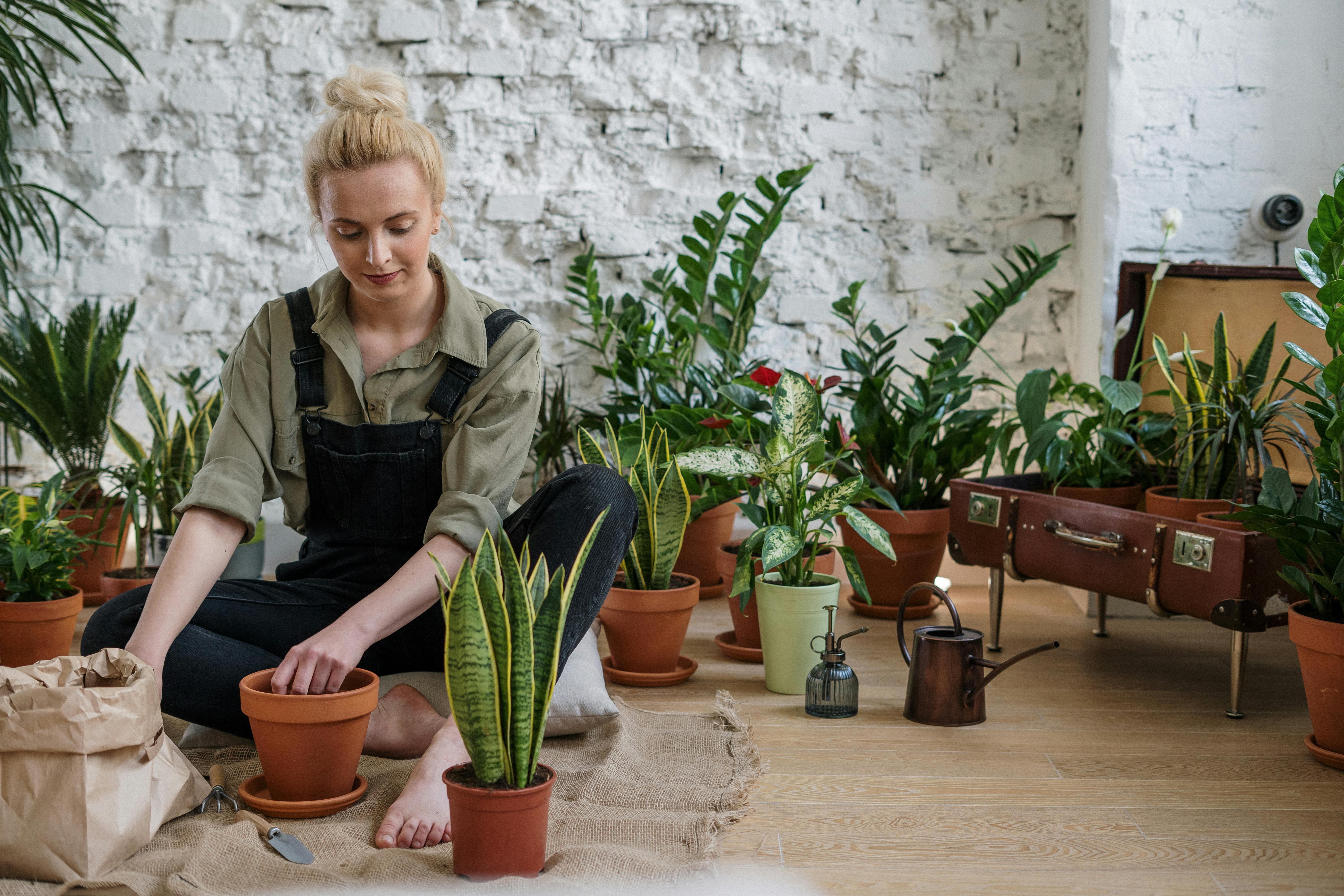
Stackable planters offer the simplest path to vertical gardening success. These tiered systems require no construction, fit in tight spaces, and can be planted immediately upon arrival. For balcony gardeners with limited floor space, stackable planters multiply growing capacity without complexity.
Why Choose Stackable Planters
Unlike built-in vertical gardens, stackable systems offer flexibility and portability. Move them to follow the sun, bring them indoors for winter, or reconfigure as your gardening goals evolve. They're perfect for renters and anyone wanting to start growing quickly.
Advantages of Stackable Systems
- No assembly or construction required
- Portable—move to optimize sunlight
- Expandable by adding tiers
- Available in various sizes and styles
- Self-watering options available
- Perfect for renters and small spaces
Types of Stackable Planters
The market offers numerous stackable planter designs, each with distinct advantages. Choose based on your space constraints, watering preferences, and aesthetic goals.
Tower Planters
Vertical towers with planting pockets spiraling around a central core. Great for herbs and strawberries. Self-watering models include a reservoir at the base that wicks moisture upward.
Tiered Pot Systems
Traditional pots of decreasing size stacked on a central pole. Offer more soil volume per plant than tower systems. Available in plastic, ceramic, and terracotta.
Modular Stacking Containers
Interlocking containers that stack like building blocks. Highly customizable configurations. Some systems allow horizontal expansion as well as vertical.
Hanging Pocket Planters
Fabric or plastic pocket systems that hang from railings or walls. Lightweight and inexpensive. Best for shallow-rooted plants like lettuce and herbs.
Selecting the Right System
Consider your specific balcony conditions and growing goals when choosing a stackable system. Weight capacity, sunlight, and watering access all factor into the best choice.
Key Selection Criteria
- Weight limit: Verify your balcony can support the full system when watered
- Sunlight: Match plant capacity to available light hours
- Wind exposure: Choose weighted bases for windy locations
- Watering access: Consider self-watering for convenience
- Drainage: Ensure proper drainage to prevent waterlogging
- Frost resistance: Select appropriate materials for your climate
Best Plants for Stackable Planters
Stackable systems have limited soil volume, making plant selection crucial. Focus on compact varieties with shallow to moderate root systems.
Top Performers
- Herbs: Basil, parsley, cilantro, thyme, oregano, chives
- Strawberries: Compact everbearing varieties
- Lettuce: Leaf lettuce, mesclun mixes
- Spinach: Baby leaf varieties
- Flowers: Petunias, pansies, marigolds, nasturtiums
- Succulents: Sedums, sempervivums, echeverias
Challenging Choices
- Tomatoes (use compact patio varieties only)
- Peppers (mini varieties may work)
- Root vegetables (inadequate depth in most systems)
Setting Up Your Stackable Garden
Proper setup ensures your stackable garden thrives. Take time to position correctly and fill with appropriate growing media.
Setup Steps
- Choose location with maximum sun exposure (6+ hours ideal)
- Ensure stable, level surface
- Fill bottom tier first with quality potting mix
- Add each tier, filling with soil before adding the next
- Plant from top to bottom to avoid soil disturbance
- Water thoroughly after planting
- Add mulch to top layer to retain moisture
Watering Stackable Systems
Vertical planters dry out faster than ground-level containers. The top tiers especially need frequent attention. Self-watering systems simplify maintenance significantly.
Watering Strategies
- Water from top—gravity helps distribute moisture
- Check bottom tiers—they may stay wetter
- Use moisture-retaining potting mix
- Add water-absorbing crystals to soil
- Consider drip irrigation for larger systems
- Water early morning to reduce evaporation
Fertilizing Tiered Planters
Container plants deplete soil nutrients quickly. Regular feeding maintains productivity throughout the growing season.
Fertilizing Schedule
- Mix slow-release fertilizer into potting soil at planting
- Supplement with liquid fertilizer every 2-3 weeks
- Reduce feeding as plants mature
- Stop fertilizing 2-3 weeks before harvest for best flavor
Seasonal Considerations
Stackable planters offer the advantage of mobility. Use this to extend your growing season and protect plants from weather extremes.
Summer Care
- Move to partial shade during heat waves
- Water twice daily if needed
- Add mulch to reduce evaporation
Winter Options
- Bring indoors to sunny window
- Grow cold-hardy greens through fall
- Store empty planters in protected location
- Clean and refresh soil before spring planting
Maximizing Small Space Productivity
Combine stackable planters with other vertical techniques for maximum balcony productivity. Hang planters from railings, add window boxes, and use wall space for additional growing.
Keep exploring related guides
Follow the topic cluster below to discover more growing methods, troubleshooting advice, and crop-specific tutorials.