Vertical Gardening
Living Wall Systems for Indoor Gardens
Discover how to design and install living wall systems for indoor spaces. Complete guide to plant selection, irrigation, and maintenance.
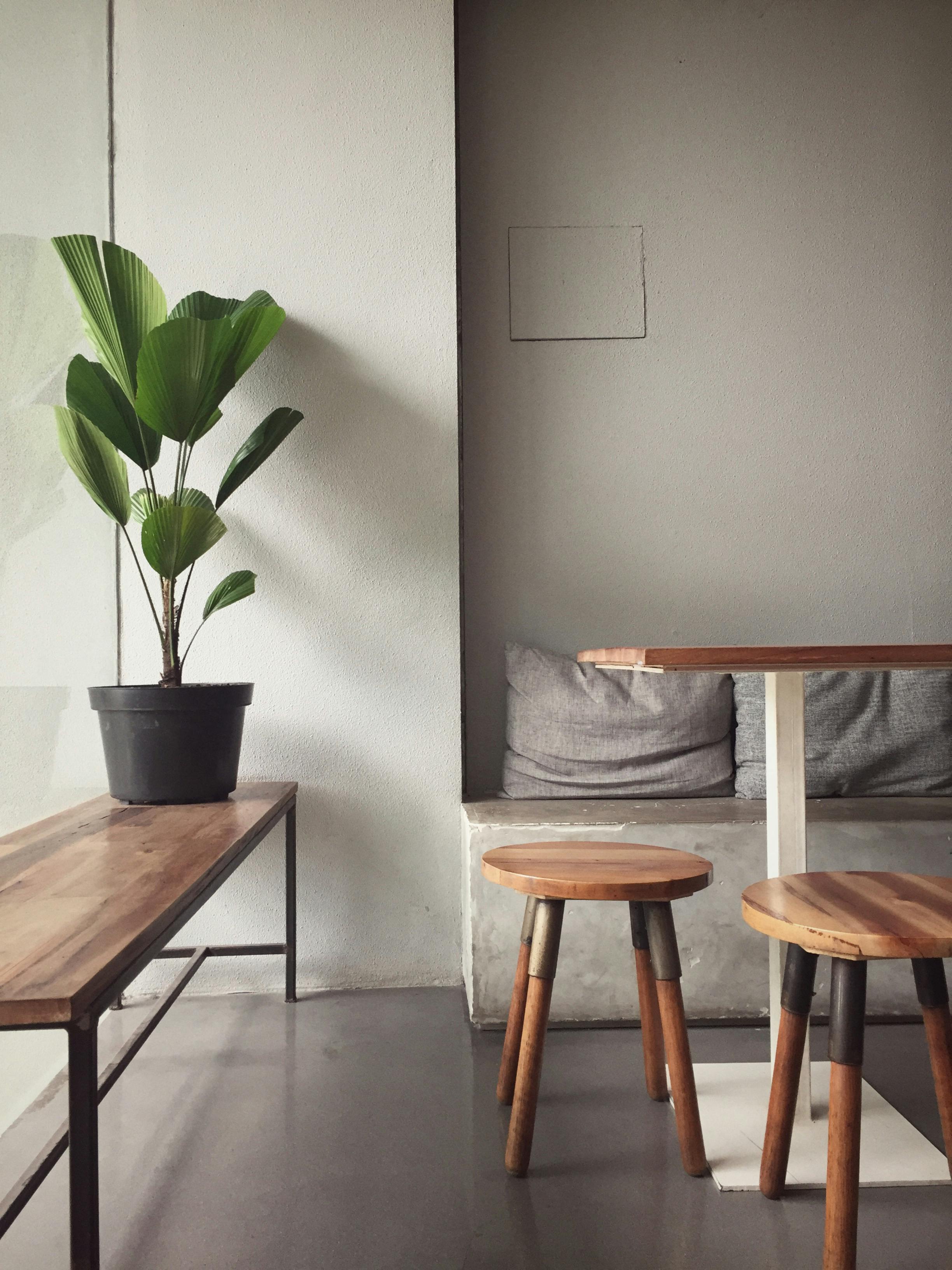
Living walls transform ordinary indoor spaces into verdant sanctuaries. These vertical gardens do more than beautify—they purify air, regulate humidity, reduce noise, and create a connection to nature that improves mental well-being. Whether you're designing for a home office or a commercial lobby, living wall systems offer endless possibilities.
Understanding Living Wall Systems
Living walls differ from simple vertical planters by incorporating integrated growing systems. They include built-in irrigation, growing media, and structural support designed for long-term plant health. Modern systems range from DIY modular panels to fully automated installations.
Types of Living Wall Systems
- Modular panel systems: Pre-planted panels that snap together
- Pocket systems: Fabric pouches attached to backing material
- Tray systems: Horizontal trays mounted vertically
- Hydroponic systems: Soil-free growing with nutrient solutions
- Moss walls: Preserved or living moss for low-maintenance options
Planning Your Indoor Living Wall
Successful living walls require careful planning. Consider available light, humidity levels, temperature fluctuations, and accessibility for maintenance. Larger installations may need professional consultation for structural and waterproofing considerations.
Site Assessment Checklist
- Natural light availability and direction
- Proximity to electrical outlets for grow lights
- Wall structural capacity
- Water source accessibility
- Drainage options
- HVAC vent locations
- Traffic patterns and visibility
Lighting Requirements
Light is often the limiting factor for indoor living walls. Most plants need at least 8-10 hours of bright indirect light or supplemental grow lighting. LED grow lights have revolutionized indoor vertical gardening by providing full-spectrum light efficiently.
Grow Light Options
- LED panels: Energy-efficient, low heat, long lifespan
- Fluorescent tubes: Affordable, good coverage for large areas
- Track lighting with grow bulbs: Aesthetic integration
- Natural light supplementation: Skylights and large windows
Selecting Plants for Indoor Living Walls
Choose plants that thrive in similar conditions—mixing drought-tolerant succulents with moisture-loving ferns creates maintenance nightmares. Group plants by light and water needs for easier care.
Low-Light Tolerant Plants
- Pothos (Epipremnum aureum)
- Philodendron varieties
- Snake plant (Sansevieria)
- ZZ plant (Zamioculcas zamiifolia)
- Cast iron plant (Aspidistra)
Medium-Light Plants
- Ferns (Boston, maidenhair, bird's nest)
- Peperomia varieties
- Spider plant (Chlorophytum)
- Prayer plant (Maranta)
- Nerve plant (Fittonia)
Bright-Light Plants
- Croton
- Bromeliads
- Orchids
- Air plants (Tillandsia)
- Succulents (with adequate light)
Irrigation Systems
Automated irrigation is essential for living wall success. Manual watering is impractical for larger installations and leads to inconsistent moisture levels. Choose systems with timers, moisture sensors, and easy maintenance access.
Irrigation Options
- Drip irrigation: Precise water delivery to each plant
- Recirculating systems: Water and nutrients recycled through the system
- Wicking systems: Passive moisture distribution
- Misting systems: Good for humidity-loving plants
Installation Considerations
Proper installation prevents water damage and ensures plant health. Always install waterproof backing between the living wall and your actual wall. Plan for drainage and potential leaks before mounting.
Waterproofing Essentials
- Install moisture barrier on the wall surface
- Use waterproof backing material
- Create drainage channels at the bottom
- Include a collection tray or floor drain
- Seal all edges and penetrations
Maintenance Requirements
Living walls need regular attention to stay healthy and attractive. Budget 30-60 minutes weekly for a medium-sized installation. Larger commercial walls often require professional maintenance contracts.
Weekly Maintenance Tasks
- Check irrigation system function
- Remove dead or yellowing leaves
- Monitor for pest activity
- Adjust individual plants as needed
- Clean grow lights if installed
Monthly Maintenance
- Fertilize with diluted liquid fertilizer
- Prune overgrown plants
- Replace any dead or struggling plants
- Clean irrigation filters and emitters
- Check structural integrity
Benefits of Indoor Living Walls
Beyond aesthetics, living walls provide measurable benefits. They can reduce indoor air pollutants by up to 30%, lower ambient noise levels, and have been shown to reduce stress and improve productivity in workplace settings.
Keep exploring related guides
Follow the topic cluster below to discover more growing methods, troubleshooting advice, and crop-specific tutorials.