hydroponics
Hydroponic Blueberries: Growing Antioxidant Powerhouses Indoors
Learn to grow hydroponic blueberries indoors. Complete guide covering acidic nutrient requirements, best varieties, and techniques for abundant harvests.
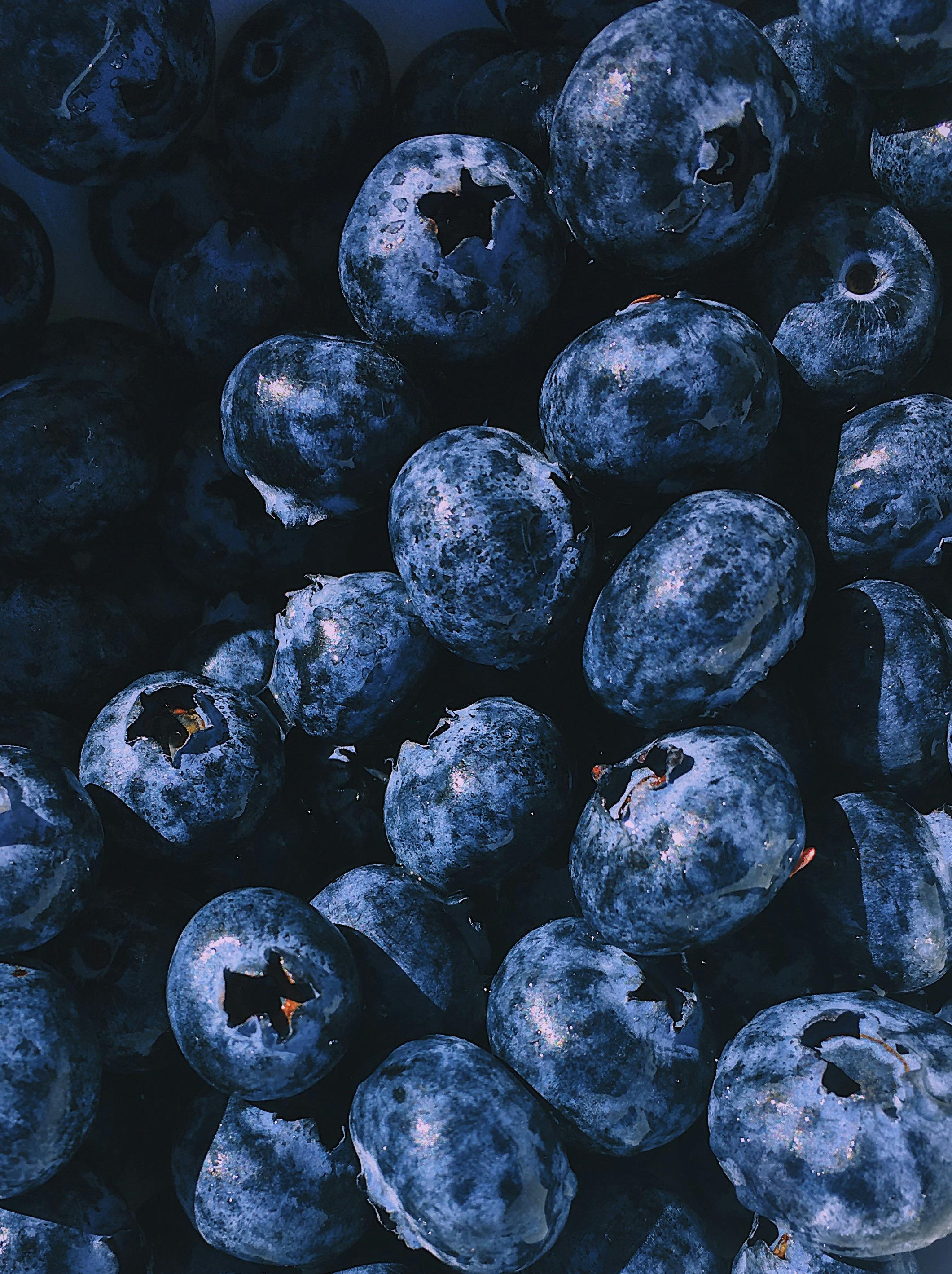
Growing hydroponic blueberries brings one of nature's most nutritious superfoods into your indoor garden. While more challenging than other hydroponic crops, the reward of fresh, antioxidant-rich berries makes the effort worthwhile.
Understanding Blueberry Hydroponic Requirements
Blueberries present unique challenges for hydroponic growing due to their acidic soil preferences and longer maturation timeline. However, with proper system design and nutrient management, indoor blueberry production is absolutely achievable.
Key Differences from Other Hydroponic Crops
- Acidic pH requirements - Blueberries need pH 4.5-5.5, much lower than most crops
- Longer timeline - Full production takes 2-3 years from planting
- Woody perennial growth - Plants are permanent installations
- Chilling requirements - Most varieties need cold dormancy periods
Best Hydroponic Systems for Blueberries
Blueberry root systems require more space and support than typical hydroponic crops, making system selection critical.
Dutch Bucket Systems
Dutch buckets filled with perlite or pine bark provide the root space and drainage blueberries need. Individual buckets allow plant-specific management and easy replacement.
Large Container DWC
Deep water culture with 5-10 gallon containers works well for dwarf varieties. Ensure excellent aeration to prevent root issues in the acidic solution.
Drip Systems with Coco Coir
Coco coir mixed with perlite in large containers provides the organic feel blueberries prefer while maintaining hydroponic precision.
Selecting Blueberry Varieties for Hydroponics
Choose varieties suited to indoor growing with lower chilling requirements and compact growth habits.
- Top Hat - Dwarf variety, minimal chilling needs, ideal for containers
- Sunshine Blue - Semi-dwarf, 150 chill hours, good for warm climates
- Northsky - Very compact, cold hardy, excellent flavor
- Pink Lemonade - Unique pink berries, low chill requirements
- Peach Sorbet - Ornamental and productive, minimal chilling needed
Acidic Nutrient Management
The most critical aspect of hydroponic blueberry growing is maintaining proper acidity throughout the system.
pH Control Strategies
Use phosphoric acid to lower pH to the 4.5-5.5 range. Monitor daily as blueberries are extremely sensitive to pH fluctuations above 5.5.
Nutrient Formulation
Use ammonium-based nitrogen sources which blueberries prefer. Avoid calcium-heavy formulations that raise pH. Target EC of 1.2-1.8 mS/cm.
Micronutrient Attention
Iron deficiency is common in blueberries. Use chelated iron (Fe-EDDHA) stable at low pH levels to prevent chlorosis.
Lighting for Indoor Blueberry Production
Blueberries require significant light for fruit production and proper dormancy triggering.
- Growing season - 14-16 hours of light at 400-600 PPFD
- Dormancy induction - Reduce to 8-10 hours in late fall
- Spectrum - Full spectrum with emphasis on red during fruiting
Managing the Chilling Requirement
Most blueberry varieties need 200-1000 hours below 45°F (7°C) to break dormancy and flower properly.
Refrigerator Dormancy Method
Move container plants to a refrigerator or cold garage for 8-10 weeks during winter. Maintain darkness and temperatures of 35-45°F (2-7°C).
Low-Chill Varieties
Select varieties requiring under 300 chill hours for easier indoor management. Some southern highbush types need as little as 150 hours.
Pollination and Fruit Set
While blueberries are partially self-fertile, cross-pollination significantly improves fruit size and yield.
- Grow at least two different varieties for cross-pollination
- Hand pollinate using a soft brush between varieties
- Introduce bumblebees for larger operations
Pruning and Training
Annual pruning maintains productive, well-shaped plants that fit indoor growing spaces.
- Remove oldest canes (over 6 years) at ground level
- Thin crossing or weak branches
- Head back tall growth to maintain manageable height
- Prune during dormancy before new growth begins
Long-Term Investment
Hydroponic blueberry plants are a long-term investment. While initial harvests are small, mature plants produce 5-10 pounds of berries annually for 20+ years with proper care.
Keep exploring related guides
Follow the topic cluster below to discover more growing methods, troubleshooting advice, and crop-specific tutorials.