hydroponics
Hydroponic Cucumber and Squash Companion Growing Guide
Design a hydroponic cucurbit garden with cucumbers and multiple squash varieties. Learn companion growing techniques for maximum production.
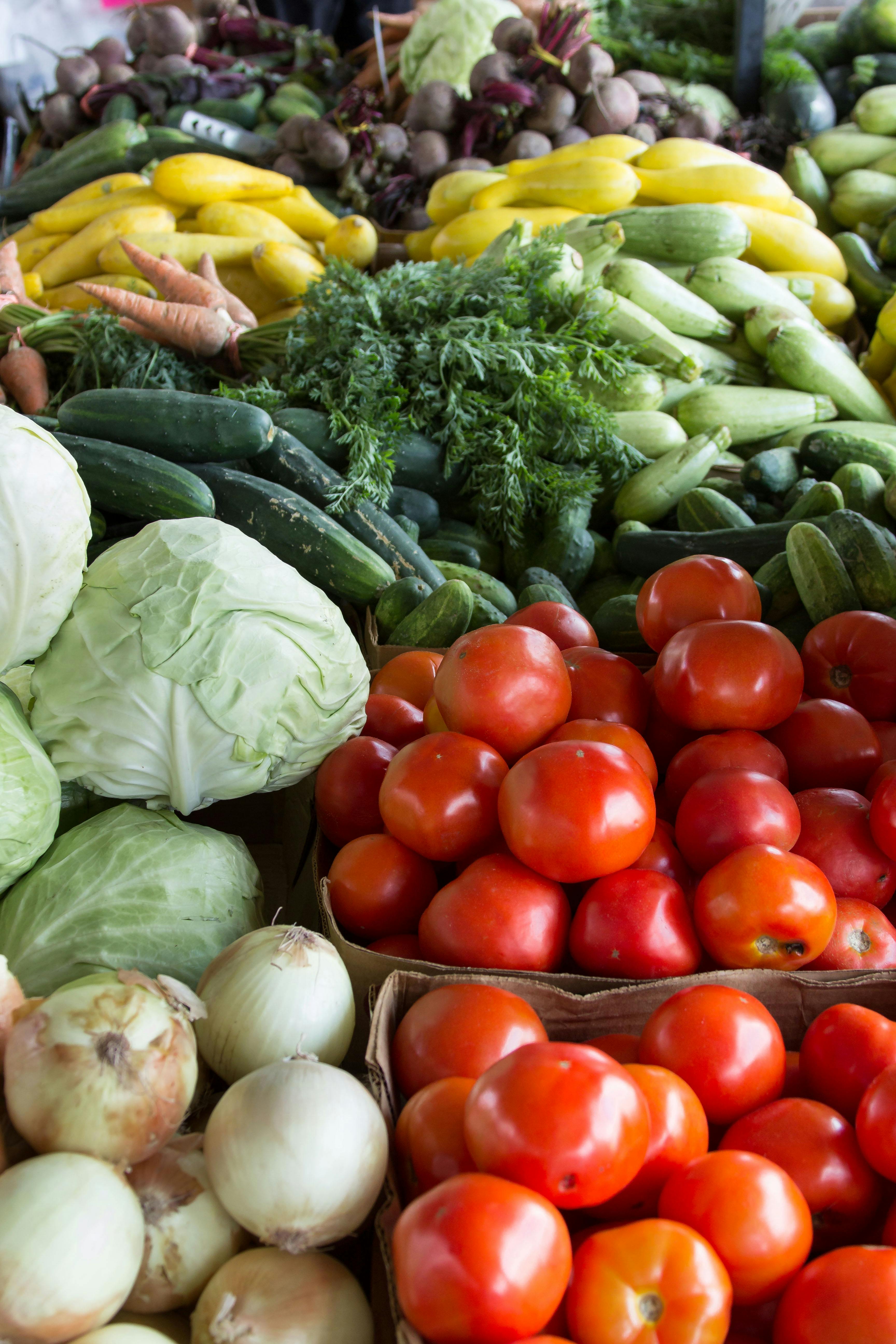
Growing cucumbers and squash together in a hydroponic system creates a productive cucurbit garden that maximizes your space and simplifies management. These close relatives share similar requirements, making them ideal companions for unified growing systems.
Why Grow Cucurbits Together
Combining cucumbers and squash in one system offers practical advantages for indoor gardeners.
- Shared requirements - Similar nutrients, pH, and environmental needs
- Simplified management - One nutrient solution serves all plants
- Space efficiency - Vertical cucumbers with bush squash below
- Extended harvest - Staggered production across crop types
- Cross-pollination safety - Cucumbers and squash won't cross-pollinate
Planning Your Cucurbit Garden
Thoughtful layout maximizes light exposure and accessibility for all plants.
Vertical Zone: Cucumbers
Position cucumbers on back trellises where they can climb without shading other plants. Train vines upward on strings or netting.
Mid-Level Zone: Trellised Squash
Some squash varieties can be trellised for vertical growing, creating a second productive tier.
Ground Zone: Bush Squash
Place compact bush zucchini and summer squash at front of system for easy access and full light exposure.
Unified Nutrient Management
All cucurbits can share a common nutrient solution with minor adjustments.
Universal Cucurbit Formula
- pH - 5.8-6.2 (sweet spot for all cucurbits)
- EC Vegetative - 1.5-2.0 mS/cm
- EC Fruiting - 2.0-2.8 mS/cm
Key Nutrient Priorities
- Nitrogen - Moderate levels throughout
- Phosphorus - Increase at flowering onset
- Potassium - Essential for fruit development
- Calcium - Critical for preventing blossom end rot in all cucurbits
- Magnesium - Supports chlorophyll for large leaf area
Environmental Requirements
Cucumbers and squash share similar environmental preferences.
- Temperature - 70-85°F (21-29°C) days, 60-70°F nights
- Light - 14-16 hours for cucumbers, 12-14 hours for squash
- Humidity - 60-70%, monitor for powdery mildew
- Airflow - Essential for pollination and disease prevention
System Design for Mixed Cucurbits
Design your system to accommodate varying plant sizes and growth habits.
Dutch Bucket Configuration
Arrange buckets in rows with trellis behind for climbing crops. Space buckets 24-36 inches apart.
Container Sizing
- Cucumbers - 5-7 gallon containers
- Zucchini/Squash - 7-10 gallon containers
- Compact varieties - 5 gallon minimum
Pollination Strategy
With multiple cucurbits, develop an efficient pollination routine.
Daily Pollination Schedule
- Check all plants for open female flowers each morning
- Collect male flowers from each plant type
- Pollinate same-species female flowers only
- Use separate brushes or clean between species
Parthenocarpic Advantage
Grow parthenocarpic cucumber varieties that don't need pollination alongside squash that does. This reduces pollination workload while maintaining production.
Staggered Planting for Continuous Harvest
Plant in succession to maintain steady production throughout the growing season.
- Start cucumbers first—they have shorter time to harvest
- Plant zucchini and summer squash 2 weeks after cucumbers
- Add new plants every 4-6 weeks for continuous production
- Replace exhausted plants before they decline
Disease Management
Cucurbits share susceptibility to certain diseases—vigilance prevents spread.
- Powdery mildew - Maintain airflow, reduce humidity during fruiting
- Downy mildew - Avoid wetting foliage, ensure good drainage
- Blossom end rot - Maintain consistent calcium and watering
Variety Selection Tip
Choose disease-resistant varieties when possible. Many modern cucumber and squash cultivars offer resistance to powdery mildew, significantly reducing management needs.
Keep exploring related guides
Follow the topic cluster below to discover more growing methods, troubleshooting advice, and crop-specific tutorials.