hydroponics
Growing Hydroponic Raspberries: Bramble-Free Berry Production
Learn hydroponic raspberry growing techniques. Manage canes, optimize nutrients, and produce abundant berry harvests without traditional bramble challenges.
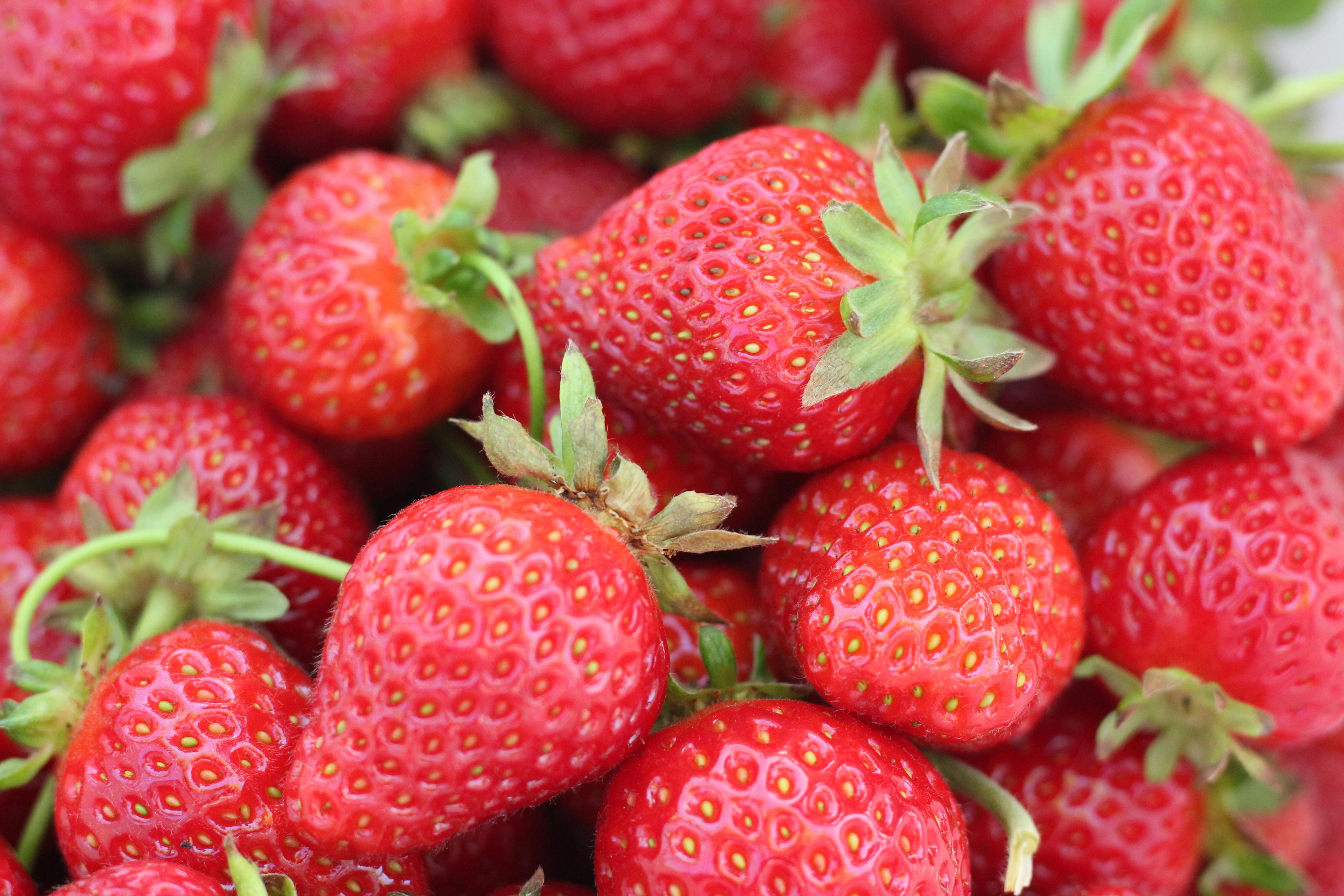
Hydroponic raspberries eliminate the thorny, sprawling mess of traditional bramble patches while delivering exceptional fruit quality and extended harvest seasons. This guide reveals how to successfully grow these delicious berries in controlled indoor environments.
Advantages of Hydroponic Raspberry Growing
Moving raspberries into hydroponic systems solves many challenges associated with traditional growing methods.
- Controlled spreading - No invasive runners taking over your garden
- Year-round production - With ever-bearing varieties and climate control
- Easier harvesting - Organized cane arrangement at comfortable height
- Reduced disease - No soil-borne pathogens or root rot issues
- Space efficiency - Vertical training maximizes production per square foot
Selecting Raspberry Varieties for Hydroponics
Choose varieties suited to container culture with manageable growth habits and extended fruiting periods.
Ever-Bearing Varieties (Primocane-Fruiting)
- Heritage - Classic red, reliable producer, fall fruiting
- Caroline - Large berries, excellent flavor, vigorous growth
- Fall Gold - Yellow berries, sweet mild flavor, ornamental appeal
- Polka - High yields, early fruiting, disease resistant
Summer-Bearing Varieties (Floricane-Fruiting)
- Tulameen - Premium quality, large firm berries
- Cascade Delight - Disease resistant, excellent for fresh eating
- Meeker - Classic flavor, good for all purposes
Best Hydroponic Systems for Raspberries
Raspberry root systems need significant space and support, making container-based systems ideal.
Dutch Bucket Systems
5-gallon Dutch buckets with perlite provide excellent drainage and root space for raspberry canes. Space buckets 24-36 inches apart along a trellis system.
Large Container Drip Systems
10-15 gallon containers with coco coir and perlite mix work well for multi-cane plantings. Drip emitters deliver consistent nutrition.
Vertical Trellising Integration
Regardless of root system, vertical trellising is essential. Install T-posts or wire systems to support canes at 3-4 foot heights.
Nutrient Management for Raspberries
Raspberries have moderate nutrient needs with emphasis on potassium during fruiting.
General Parameters
- pH - 5.8-6.5 (slightly acidic to neutral)
- EC - 1.5-2.2 mS/cm depending on growth stage
- Nitrogen - Moderate levels, avoid excess which promotes cane growth over fruit
- Potassium - Increase during fruiting for berry development
Seasonal Adjustments
Reduce nitrogen in late summer to harden canes for dormancy. Increase potassium as berries develop for better flavor and firmness.
Environmental Requirements
Creating proper growing conditions ensures healthy cane development and abundant fruit production.
- Temperature - 65-75°F (18-24°C) during active growth
- Dormancy - 6-8 weeks at 35-45°F (2-7°C) for floricane varieties
- Light - 14-16 hours during growing season, 400-600 PPFD
- Humidity - 60-70% during growth, reduce during fruiting to prevent mold
Cane Management and Pruning
Proper cane management is crucial for hydroponic raspberry success, differing between primocane and floricane varieties.
Primocane (Ever-Bearing) Management
Cut all canes to ground level after harvest. New canes emerge in spring and fruit the same year. This simplifies disease management and eliminates overwintering concerns.
Floricane (Summer-Bearing) Management
Allow first-year canes (primocanes) to overwinter, then fruit on second-year canes (floricanes). Remove spent floricanes immediately after harvest.
Thinning Practices
- Limit to 5-8 strongest canes per container
- Remove weak, damaged, or crossing canes
- Tip primocanes at 4-5 feet to encourage branching
Pollination and Fruit Development
Raspberries are largely self-fertile, but air circulation aids pollination. Use a small fan to create gentle movement during flowering.
Harvesting Hydroponic Raspberries
Harvest raspberries when they separate easily from the receptacle with gentle tugging. Pick every 2-3 days during peak season.
Harvest Tip
Handle raspberries minimally—their delicate structure bruises easily. Harvest directly into shallow containers and refrigerate immediately for best quality.
Keep exploring related guides
Follow the topic cluster below to discover more growing methods, troubleshooting advice, and crop-specific tutorials.