hydroponics
Growing Hydroponic Cucumbers: Crisp Harvests in Small Spaces
Learn hydroponic cucumber growing techniques. Master vertical training, pollination, and nutrient management for crisp cucumber harvests in any season.
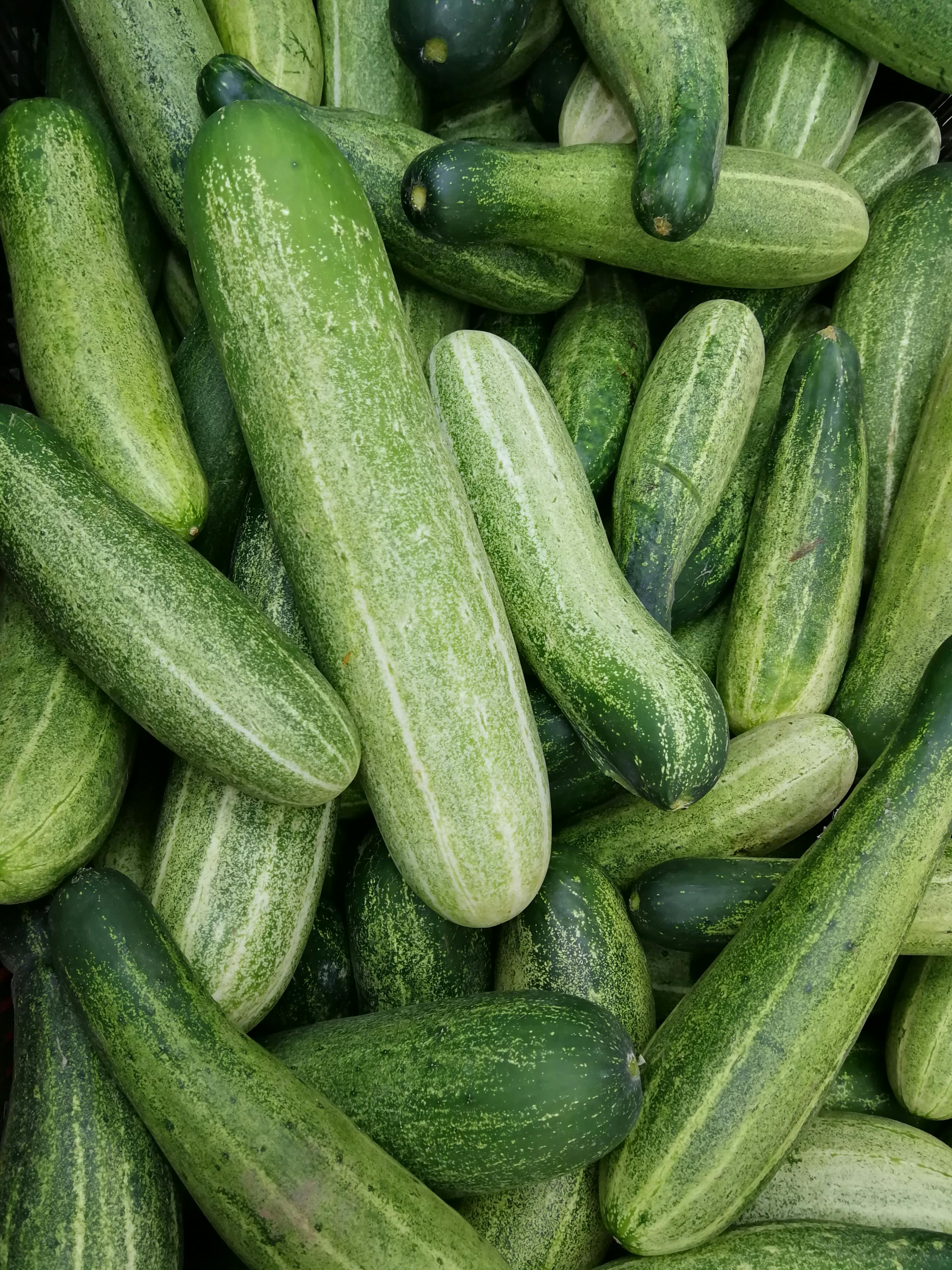
Hydroponic cucumbers deliver exceptional yields of crisp, sweet fruit in remarkably small spaces. With vertical training and controlled environments, you can harvest fresh cucumbers year-round regardless of outdoor conditions.
Why Grow Cucumbers Hydroponically
Hydroponic cucumber production offers significant advantages over traditional soil growing, especially for indoor gardeners.
- Faster growth - Harvest in 50-70 days versus 70-90 in soil
- Higher yields - 2-3x more fruit per plant with proper training
- Year-round production - No seasonal limitations indoors
- Disease reduction - No soil-borne pathogens
- Space efficiency - Vertical growing maximizes production area
Best Cucumber Varieties for Hydroponics
Choose varieties bred for greenhouse or hydroponic production for best results.
Parthenocarpic Varieties (No Pollination Needed)
- Tyria - Long European-type, excellent flavor, high yields
- Socrates - Compact plants, good for smaller systems
- Corinto - Disease resistant, consistent production
- Picolino - Mini cucumbers, perfect for snacking
Standard Varieties (Need Pollination)
- Marketmore 76 - Classic slicing cucumber, reliable producer
- Straight Eight - Uniform fruit, excellent for fresh eating
- Lemon - Unique round yellow fruit, mild flavor
Hydroponic Systems for Cucumbers
Cucumbers have vigorous root systems requiring substantial growing capacity.
Dutch Bucket Systems
5-gallon Dutch buckets with perlite provide excellent drainage and root space. This is the most popular choice for hydroponic cucumbers.
Deep Water Culture (DWC)
Large DWC containers (10+ gallons) support robust cucumber growth. Ensure strong aeration to maintain dissolved oxygen levels.
Drip Systems with Coco Coir
Coco coir in large containers with drip irrigation offers excellent water retention while maintaining proper drainage.
Nutrient Requirements
Cucumbers are moderate to heavy feeders with specific nutritional needs throughout their growth cycle.
Vegetative Stage
- pH: 5.5-6.0
- EC: 1.5-2.0 mS/cm
- Higher nitrogen for vine and leaf development
Flowering and Fruiting Stage
- pH: 5.8-6.2
- EC: 2.0-2.5 mS/cm
- Increased potassium and phosphorus
- Calcium for fruit development and preventing blossom end rot
Environmental Control
Cucumbers thrive in warm, humid conditions with consistent care.
- Temperature - Day: 75-85°F (24-29°C), Night: 65-70°F (18-21°C)
- Humidity - 60-70% optimal, monitor for powdery mildew
- Light - 14-16 hours daily, 400-600 PPFD
- Air circulation - Essential for disease prevention
Vertical Training Techniques
Proper training maximizes yields and simplifies maintenance in limited spaces.
Single-Stem Training
Train the main vine upward on string or trellis, removing all side shoots. This method produces the highest quality fruit.
Umbrella System
Allow the main vine to reach the top of the trellis, then let two laterals grow downward. Excellent for maximizing light exposure.
Pruning Guidelines
- Remove all flowers and side shoots below 18 inches
- Pinch growing tip when vine reaches trellis top
- Remove yellowing or damaged leaves promptly
- Limit fruit set to 4-6 cucumbers per plant at once
Pollination Strategies
Standard cucumber varieties require pollination for fruit development.
- Hand pollinate using a small brush between male and female flowers
- Male flowers have straight stems; female flowers have tiny cucumbers behind them
- Pollinate in the morning when flowers are fully open
- Or choose parthenocarpic varieties that fruit without pollination
Harvesting Hydroponic Cucumbers
Harvest cucumbers when they reach desired size but before seeds mature. Regular harvesting encourages continued production.
Harvest Tip
Pick cucumbers every 1-2 days during peak production. Overripe fruit signals the plant to stop producing, reducing overall yields.
Keep exploring related guides
Follow the topic cluster below to discover more growing methods, troubleshooting advice, and crop-specific tutorials.