hydroponics
Growing Hydroponic Strawberries: Sweet Harvests Year-Round
Master hydroponic strawberry growing with our complete guide. Learn best systems, nutrient solutions, and techniques for sweet berries year-round.
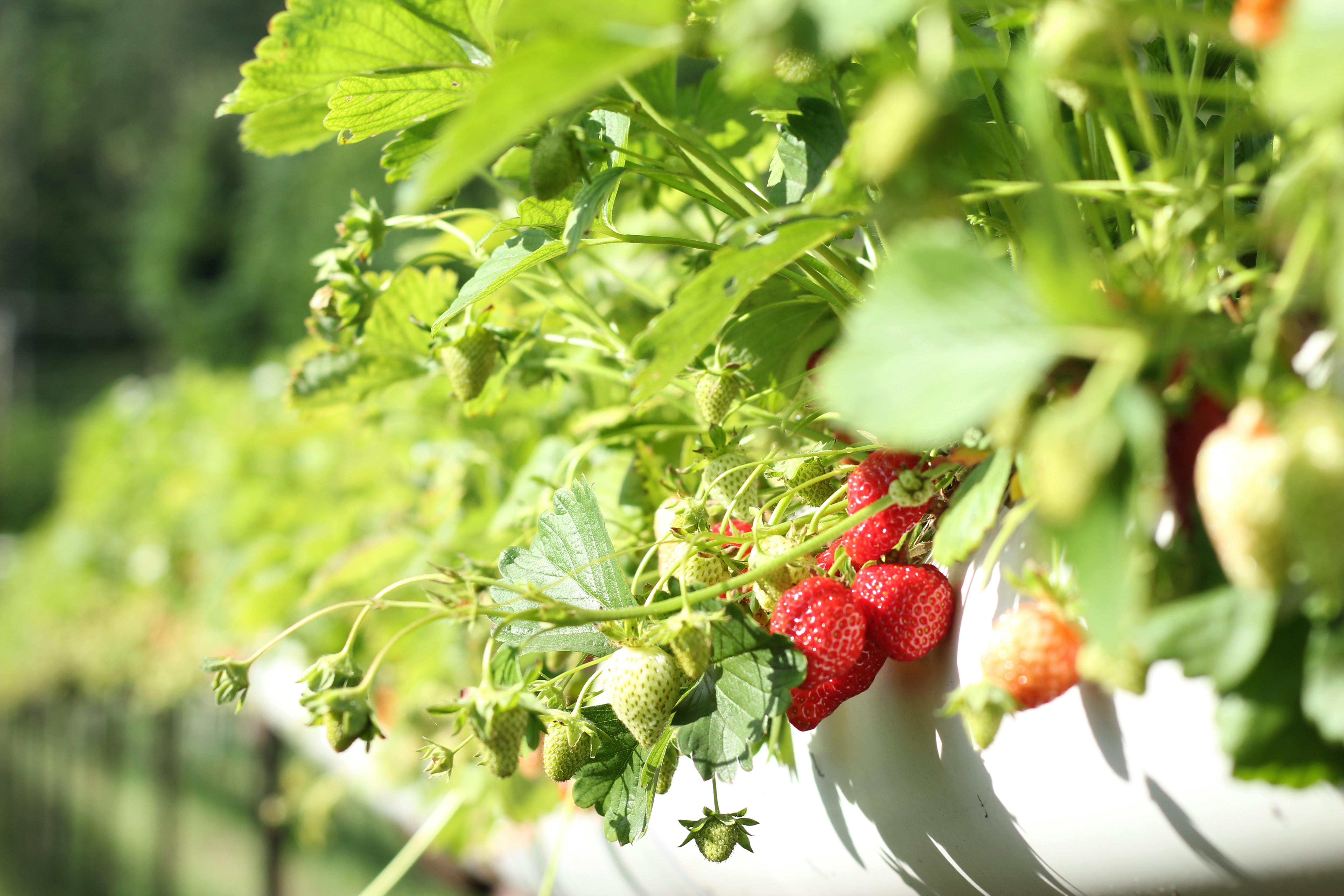
Growing hydroponic strawberries delivers the sweetest, most flavorful berries you'll ever taste—harvested fresh from your indoor garden regardless of the season outside. This comprehensive guide reveals the secrets to producing abundant strawberry harvests using soilless growing methods.
Why Choose Hydroponic Strawberry Growing
Hydroponic strawberries outperform soil-grown berries in flavor, yield, and consistency. Without soil-borne diseases and pests, your plants focus energy on producing plump, sweet fruit rather than fighting infections.
- Year-round production - Harvest fresh strawberries in any season
- Superior flavor - Controlled nutrients create sweeter berries
- Higher yields - 3-5x more fruit per plant than soil growing
- No pesticides needed - Clean, organic-quality fruit
- Space efficient - Vertical systems maximize growing area
Best Hydroponic Systems for Strawberries
Strawberries thrive in several hydroponic system types, each offering unique advantages for home growers.
NFT (Nutrient Film Technique)
NFT systems excel for strawberries, providing constant nutrient flow to roots while maintaining excellent oxygenation. The shallow channels suit strawberry root systems perfectly.
Vertical Tower Systems
Tower gardens maximize space efficiency, allowing 20-30 strawberry plants in just 4 square feet. The vertical orientation also makes harvesting easier and keeps fruit clean.
Dutch Bucket Systems
For larger strawberry plants or ever-bearing varieties, Dutch buckets provide ample root space and excellent drainage for robust growth.
Choosing Strawberry Varieties for Hydroponics
Variety selection dramatically impacts your hydroponic strawberry success. Day-neutral and ever-bearing types work best for year-round indoor production.
- Albion - Large, sweet berries with excellent flavor; day-neutral
- Seascape - High yields, disease resistant, great for beginners
- Monterey - Exceptionally sweet, good for vertical systems
- San Andreas - Firm fruit, long harvest season
- Tristar - Compact plants, perfect for tower gardens
Nutrient Requirements for Hydroponic Strawberries
Strawberries have specific nutritional needs that change throughout their growth cycle. Understanding these requirements ensures maximum fruit production.
Vegetative Stage
During early growth, strawberries need higher nitrogen (N) levels to develop strong crowns and healthy foliage. EC levels of 1.0-1.4 mS/cm work well.
Flowering and Fruiting
Once flowering begins, reduce nitrogen and increase phosphorus (P) and potassium (K). Target EC of 1.4-1.8 mS/cm during fruit development.
pH Management
Maintain pH between 5.5-6.2 for optimal nutrient uptake. Strawberries are particularly sensitive to pH fluctuations, so monitor daily.
Environmental Controls for Maximum Yields
Creating the ideal environment triggers abundant flowering and fruit set in hydroponic strawberries.
- Temperature - Day: 65-75°F (18-24°C), Night: 55-65°F (13-18°C)
- Light - 12-16 hours daily, 400-600 PPFD for fruiting
- Humidity - 60-75% during vegetative growth, 50-60% during fruiting
- Air circulation - Gentle airflow prevents mold and strengthens stems
Pollination in Indoor Strawberry Gardens
Without outdoor pollinators, indoor hydroponic strawberries require manual pollination for fruit development.
Use a small soft brush or cotton swab to transfer pollen between flowers daily. Alternatively, a small fan creates air movement that can aid pollination.
Training and Pruning Techniques
Proper plant management increases yields and maintains healthy, productive strawberry plants.
- Remove runners to focus energy on fruit production
- Pinch off first flowers to build stronger plants
- Remove yellowing or damaged leaves promptly
- Thin fruit clusters for larger individual berries
Harvesting Hydroponic Strawberries
Harvest strawberries when fully red and slightly soft. Pick in the morning for best flavor and longest shelf life. Hydroponic strawberries typically store 5-7 days refrigerated.
Pro Tip: Staggered Planting
Plant new strawberry starts every 4-6 weeks to maintain continuous production. This ensures you always have plants at different growth stages for year-round harvests.
Keep exploring related guides
Follow the topic cluster below to discover more growing methods, troubleshooting advice, and crop-specific tutorials.