Indoor Growing
Complete Guide to Indoor Herb Gardens Under Grow Lights
Grow herbs indoors year-round with grow lights. Complete guide to LED selection, light requirements, and setup for thriving indoor herb gardens.
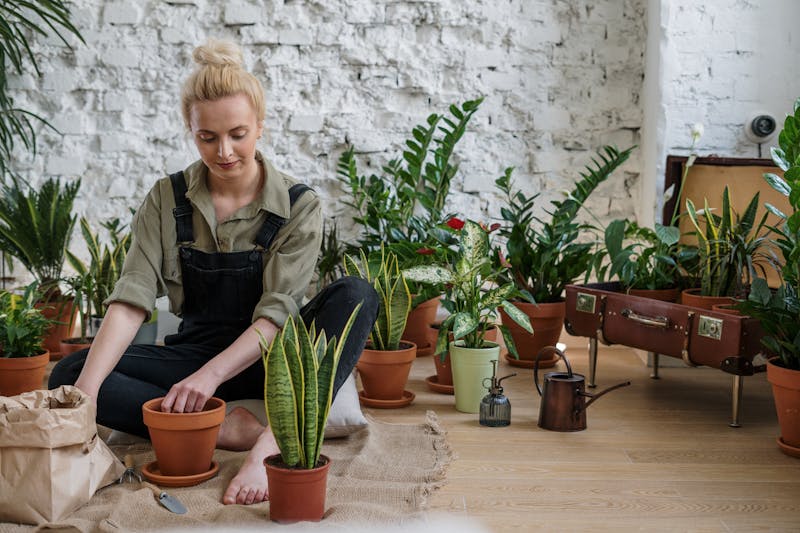
Fresh herbs transform everyday cooking, but limited outdoor space and harsh winters make year-round growing challenging. Indoor herb gardens with grow lights solve this problem, providing consistent harvests regardless of season or apartment location.
Why Grow Herbs Under Artificial Lights
Most apartments lack sufficient natural light for healthy herb growth. South-facing windows provide only 4-6 hours of direct light in winter—far less than the 12-16 hours herbs prefer. Grow lights bridge this gap, enabling robust growth in any room.
Advantages of Grow Light Systems
- Year-round growing: No seasonal limitations
- Location flexibility: Grow anywhere in your home
- Consistent light: No cloudy day setbacks
- Faster growth: Optimized light spectrum accelerates development
- Pest reduction: Indoor environments have fewer insects
Understanding Light Requirements
Herbs need specific light conditions to thrive:
Light Intensity (PPFD)
Photosynthetic Photon Flux Density measures usable light for plants. Herbs need 200-400 PPFD for healthy growth. Budget lights often deliver only 50-100 PPFD—insufficient for most culinary herbs.
Light Duration
Most herbs perform best with 12-16 hours of light daily. Use a timer to maintain consistency. More light isn't always better—plants need dark periods for proper metabolism.
Light Spectrum
Full-spectrum LED lights mimicking sunlight produce the best results. Look for lights with both blue (vegetative growth) and red (flowering/fruiting) wavelengths. White LEDs with a color temperature of 4000-6500K work well for herbs.
Choosing the Right Grow Light
LED Panel Lights
Flat panel LEDs provide even coverage for multiple plants. A 45-watt panel covers 2-4 square feet adequately. They run cool, use minimal electricity, and last 50,000+ hours.
LED Light Bars
Strip-style lights work well for shelving systems. Mount them 6-12 inches above plants for optimal intensity. Multiple bars can cover larger growing areas.
Desktop Grow Lights
Compact gooseneck or clip-on lights suit single plants or small herb collections. They're affordable ($15-40) but limited in coverage area.
All-in-One Systems
Self-contained units like hydroponics kits include lights, growing medium, and sometimes automatic watering. They're beginner-friendly but more expensive ($50-200).
Best Herbs for Indoor Growing
Easy to Grow (Beginners)
- Basil: Fast-growing, harvest in 3-4 weeks
- Mint: Tolerates lower light, spreads quickly
- Chives: Low maintenance, mild flavor
- Parsley: Steady producer, lasts months
Moderate Difficulty
- Cilantro: Bolts in heat, prefers cooler spots
- Oregano: Needs good drainage
- Thyme: Requires less water than most herbs
- Sage: Slower growing but long-lived
Advanced
- Rosemary: Needs high light and excellent drainage
- Lavender: Requires specific conditions
- Dill: Tall growth, needs support
Setting Up Your Indoor Herb Garden
Step 1: Choose Your Location
Select a spot with stable temperatures (65-75°F) away from heating vents and drafts. Kitchen counters and living room shelves work well if you can install lights above.
Step 2: Set Up Lighting
Position lights 6-12 inches above plant tops. Adjustable hangers let you raise lights as plants grow. Connect to a timer set for 14-16 hours of light daily.
Step 3: Select Containers
Use pots with drainage holes—4-6 inch diameter for most herbs. Terracotta breathes well but dries faster; plastic retains moisture longer. Include saucers to protect surfaces.
Step 4: Prepare Growing Medium
Use well-draining potting mix with perlite. Never use garden soil indoors—it compacts, drains poorly, and may contain pests. Add slow-release fertilizer at planting.
Step 5: Plant and Maintain
Start with transplants for faster harvests. Water when the top inch of soil feels dry. Feed with diluted liquid fertilizer every 2-3 weeks during active growth.
Common Problems and Solutions
Leggy, Stretched Growth
Cause: Insufficient light. Solution: Move lights closer (6-8 inches) or increase duration to 16 hours.
Yellow Leaves
Cause: Overwatering or nutrient deficiency. Solution: Let soil dry between waterings; feed regularly.
Brown Leaf Tips
Cause: Low humidity or salt buildup. Solution: Mist plants or use a humidity tray; flush soil monthly.
Slow Growth
Cause: Cool temperatures or inadequate light. Solution: Maintain 65-75°F; upgrade to higher-output lights.
Harvesting Tips
Begin harvesting when plants have at least 6 sets of leaves. Cut no more than one-third of the plant at once. Harvest from the top to encourage bushier growth. Regular harvesting actually stimulates more production.
Getting Started
Begin with basil and mint—they're forgiving and fast-growing. A simple LED panel light ($30-50) and two 4-inch pots will get you started. Within a month, you'll be adding fresh herbs to your cooking daily.
Keep exploring related guides
Follow the topic cluster below to discover more growing methods, troubleshooting advice, and crop-specific tutorials.