Indoor Growing
Best Microgreen Varieties for Nutrition and Flavor
Discover the most nutritious and flavorful microgreen varieties to grow at home. From spicy radish to nutrient-packed broccoli, find the perfect microgreens for your needs.
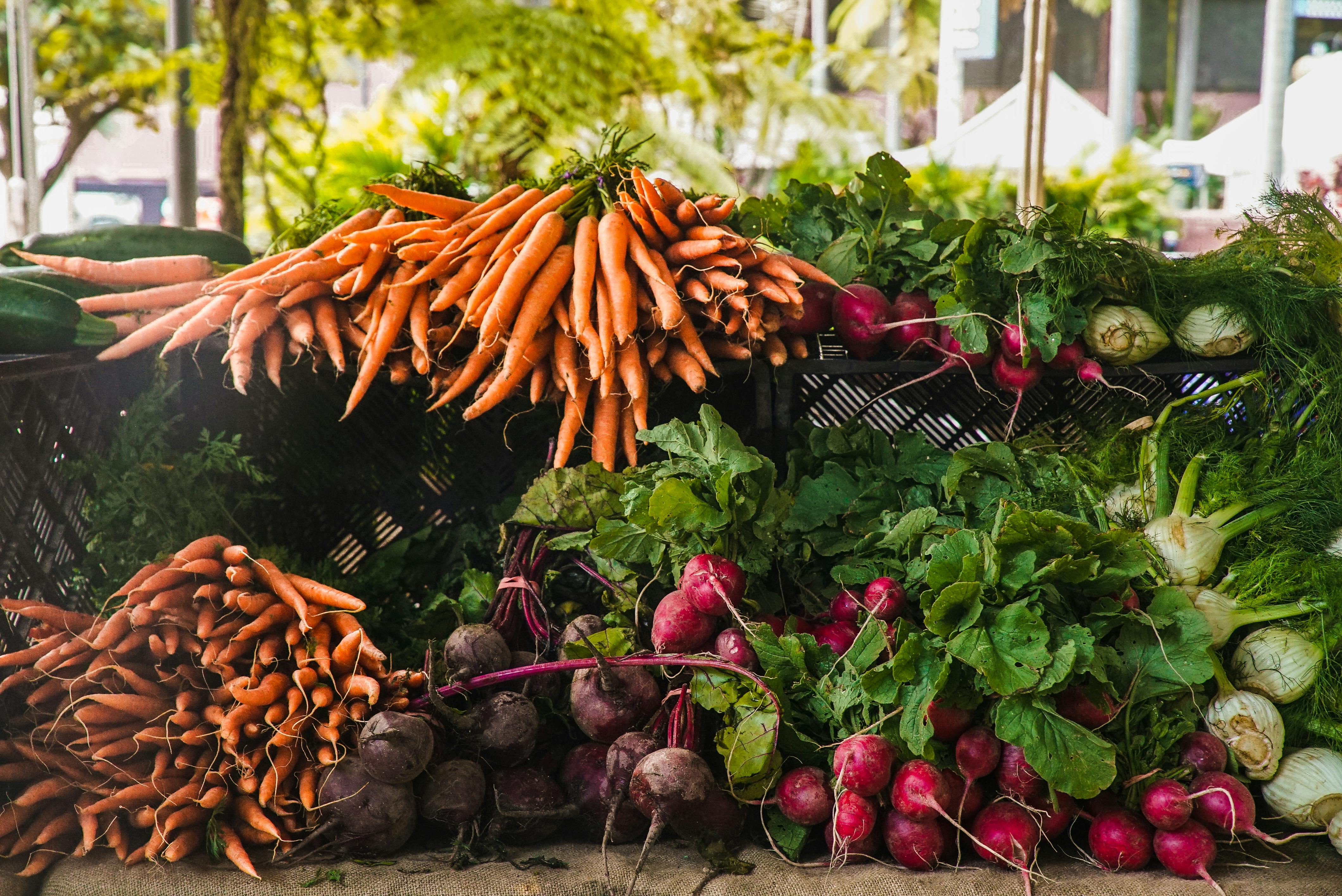
With dozens of microgreen varieties available, choosing the right ones can feel overwhelming. This guide explores the best microgreens for nutrition, flavor, and ease of growing to help you create the perfect indoor garden.
Understanding Microgreen Categories
Microgreens can be grouped into families that share similar growing requirements and flavor profiles. Understanding these categories helps you plan diverse, flavorful harvests.
Brassica Family
Includes broccoli, kale, cabbage, arugula, and radish. These microgreens are known for their peppery, spicy flavors and exceptional nutritional content, particularly sulforaphane compounds.
Allium Family
Onion, garlic, leek, and chive microgreens offer mild to strong savory flavors. They take longer to germinate but add unique depth to dishes.
Legume Family
Pea shoots, lentils, and fava beans produce sweet, tender microgreens with substantial stems. They're excellent sources of protein and fiber.
Top 10 Microgreen Varieties
1. Sunflower Microgreens
Flavor: Mild, nutty, slightly sweet
Days to Harvest: 8-12 days
Nutrition: High in protein, vitamin E, and zinc
Sunflower microgreens are the perfect beginner variety. Their large seeds are easy to handle, and they produce thick, crunchy stems with substantial leaves. The nutty flavor makes them incredibly versatile in salads, sandwiches, and smoothies.
2. Pea Shoots
Flavor: Sweet, fresh pea taste
Days to Harvest: 10-14 days
Nutrition: Rich in vitamins A, C, and folate
Pea shoots are among the most popular microgreens for good reason. Their sweet flavor appeals to everyone, and the delicate tendrils add beautiful texture to dishes. They're excellent in stir-fries where their sweetness shines.
3. Radish Microgreens
Flavor: Spicy, peppery kick
Days to Harvest: 5-7 days
Nutrition: High in vitamins C and B6
The fastest-growing microgreen variety, radish delivers vibrant color and bold flavor. Red varieties add beautiful pink stems to any dish. Use them sparingly to add heat and visual appeal.
4. Broccoli Microgreens
Flavor: Mild, slightly bitter
Days to Harvest: 8-12 days
Nutrition: Exceptionally high in sulforaphane
Research shows broccoli microgreens contain up to 100 times more sulforaphane than mature broccoli. This compound is linked to cancer prevention and cellular health. The mild flavor makes them easy to incorporate into any meal.
5. Red Cabbage Microgreens
Flavor: Mild, slightly sweet with peppery notes
Days to Harvest: 8-10 days
Nutrition: Rich in anthocyanins and vitamin C
The stunning purple color of red cabbage microgreens makes them a favorite for garnishing. They're packed with anthocyanins, the same antioxidants found in blueberries.
6. Arugula Microgreens
Flavor: Peppery, mustard-like
Days to Harvest: 7-10 days
Nutrition: High in vitamins K and A
Arugula microgreens pack more punch than their mature counterparts. The intense peppery flavor adds sophistication to salads, pizzas, and pasta dishes.
7. Cilantro Microgreens
Flavor: Bright, citrusy, classic cilantro
Days to Harvest: 14-21 days
Nutrition: Good source of vitamins A and K
While slower to grow, cilantro microgreens offer intense flavor that's perfect for Mexican and Asian cuisines. A little goes a long way in tacos, curries, and spring rolls.
8. Basil Microgreens
Flavor: Sweet, aromatic basil
Days to Harvest: 14-21 days
Nutrition: Contains essential oils and antioxidants
Basil microgreens bring concentrated flavor to Italian dishes, caprese salads, and Thai cuisine. They're more delicate than mature basil but equally aromatic.
9. Kale Microgreens
Flavor: Mild, slightly sweet
Days to Harvest: 8-12 days
Nutrition: High in vitamins A, C, and K
Kale microgreens are milder and more tender than mature kale leaves. They're perfect for those who find adult kale too bitter or tough.
10. Beet Microgreens
Flavor: Earthy, sweet, beet-like
Days to Harvest: 10-14 days
Nutrition: Rich in iron and folate
Beet microgreens feature stunning red stems and green leaves. Their earthy sweetness pairs beautifully with goat cheese, nuts, and citrus dressings.
Choosing Varieties by Growing Difficulty
Beginner-Friendly
- Sunflower - Large seeds, fast germination
- Pea shoots - Forgiving and reliable
- Radish - Quickest harvest time
- Broccoli - Easy and nutritious
Intermediate
- Kale - Requires consistent moisture
- Red cabbage - Needs good light for color
- Arugula - Prone to bolting in heat
Advanced
- Cilantro - Slow, uneven germination
- Basil - Sensitive to temperature and moisture
- Beet - Hard seed coat requires soaking
Choosing Varieties by Nutrition Goals
If you're growing microgreens specifically for health benefits, consider these targeted recommendations:
For Antioxidants
Red cabbage, beet, and radish microgreens are highest in anthocyanins and other antioxidant compounds that protect cells from damage.
For Cancer Prevention
Broccoli, kale, and other brassica microgreens contain glucosinolates that convert to cancer-fighting sulforaphane compounds.
For Protein
Sunflower and pea shoot microgreens offer the highest protein content, making them excellent additions to vegetarian and vegan diets.
Creating a Microgreen Mix
Growing multiple varieties together creates beautiful, flavorful mixes. Consider these combinations:
- Mild Mix: Sunflower, pea shoots, broccoli
- Spicy Mix: Radish, arugula, mustard
- Rainbow Mix: Red cabbage, beet, sunflower
- Asian Mix: Cilantro, basil, pea shoots
Start with two or three beginner-friendly varieties and expand your microgreen garden as you gain experience. Soon you'll have a rotating harvest of fresh, nutritious greens year-round!
Keep exploring related guides
Follow the topic cluster below to discover more growing methods, troubleshooting advice, and crop-specific tutorials.