Indoor Growing
Best LED Grow Lights for Indoor Plants: A Complete Guide
Complete guide to LED grow lights for indoor plants. Learn about full-spectrum lighting, PAR values, light duration, and top recommendations for every budget.
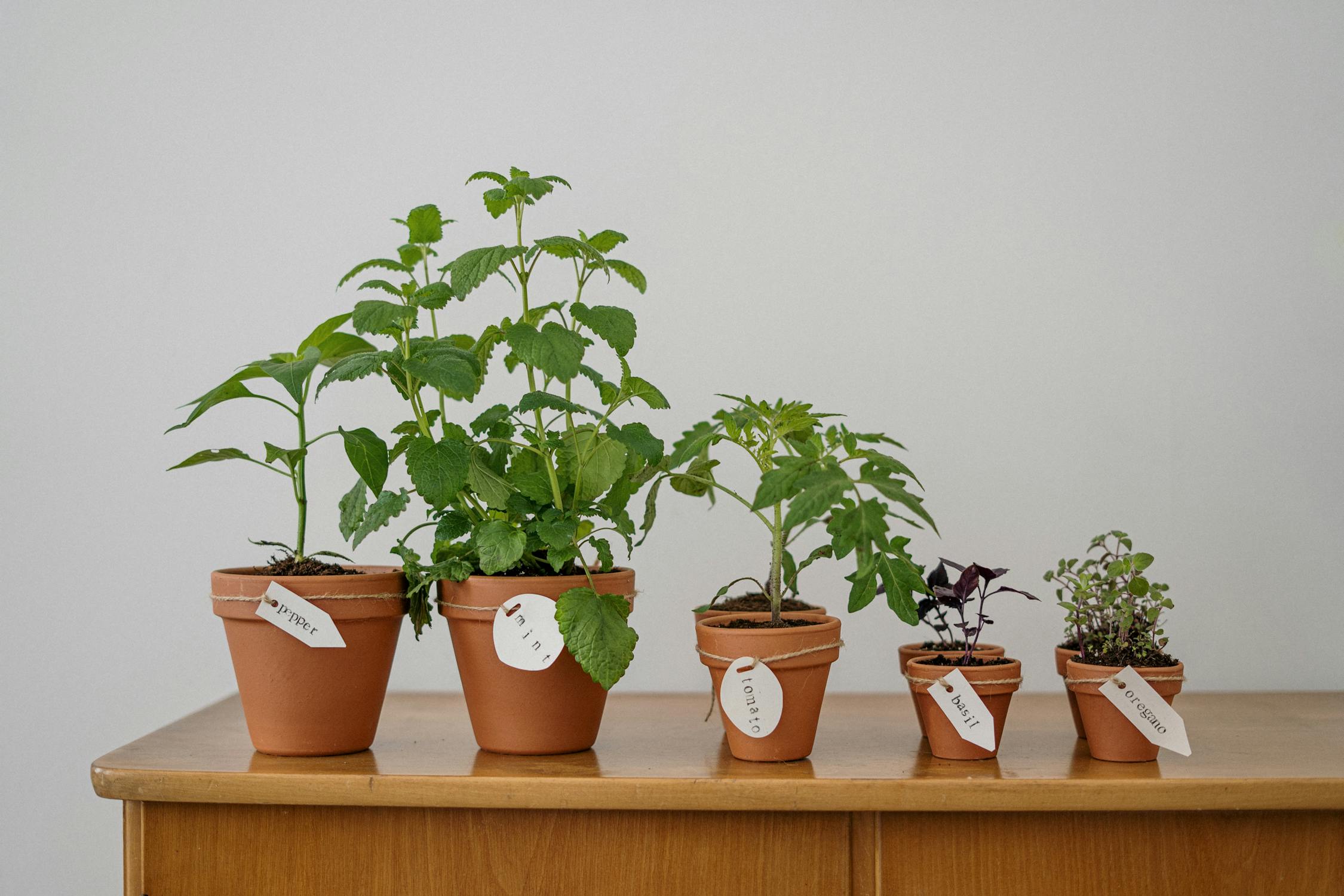
Whether you're growing herbs in a dark kitchen, nurturing tropical houseplants, or starting seedlings in winter, LED grow lights have revolutionized indoor gardening. Modern LEDs are energy-efficient, produce minimal heat, and provide the full spectrum of light your plants need to thrive.
Understanding Light Spectrum for Plant Growth
Plants use different wavelengths of light for various growth processes. Blue light (400-500nm) promotes compact, leafy growth and is essential during the vegetative stage. Red light (600-700nm) triggers flowering and fruiting. Full-spectrum LEDs combine these wavelengths to mimic natural sunlight.
Key Light Measurements
- PAR (Photosynthetically Active Radiation): Measures light plants can actually use for photosynthesis
- PPFD (Photosynthetic Photon Flux Density): Measures light intensity reaching your plants
- Wattage: Indicates energy consumption, not necessarily light output
Types of LED Grow Lights
Full-Spectrum White LEDs
These produce light that appears white to human eyes while containing all wavelengths plants need. They're ideal for living spaces where purple light would be distracting. Popular brands like Spider Farmer and HLG offer excellent full-spectrum options.
Blurple (Blue-Purple) LEDs
These older-style LEDs combine blue and red diodes, creating a purple glow. While effective for plant growth, they're less popular now due to the harsh appearance and advances in full-spectrum technology.
Grow Light Bars and Strips
Perfect for illuminating shelving units or under-cabinet herb gardens. These slim profiles fit tight spaces and can be daisy-chained for larger setups.
Choosing the Right Light for Your Plants
Low-Light Plants (200-400 PPFD)
Pothos, snake plants, and ZZ plants thrive with minimal supplemental lighting. A small desk lamp-style LED is often sufficient.
Medium-Light Plants (400-600 PPFD)
Herbs, lettuce, and most houseplants fall into this category. Look for lights rated 100-200 actual watts for a 2x2 foot area.
High-Light Plants (600-900+ PPFD)
Tomatoes, peppers, and flowering plants need intense light. Invest in quality fixtures with higher wattage and excellent heat dissipation.
Setting Up Your Grow Light System
Height and Distance
Start with lights 12-24 inches above your plants and adjust based on their response. Signs of too much light include bleached or burned leaves. Stretchy, leggy growth indicates insufficient light.
Light Duration
- Seedlings: 16-18 hours daily
- Vegetative growth: 14-16 hours daily
- Flowering plants: 12 hours daily
- General houseplants: 10-12 hours daily
Using Timers
Automate your light schedule with a simple outlet timer. Consistent photoperiods promote healthy growth and can trigger flowering in appropriate species.
Energy Efficiency and Cost
LED grow lights use 50-70% less electricity than traditional HID (High-Intensity Discharge) lights while producing comparable results. A typical 100-watt LED running 14 hours daily costs approximately $5-8 per month in electricity.
Heat Management
Unlike older grow light technologies, LEDs produce minimal heat, reducing the need for additional cooling and allowing you to place lights closer to plants without burning them.
Top Recommendations by Budget
Budget-Friendly ($30-60)
Small clip-on or panel lights suitable for 1-4 plants. Great for supplementing windowsill gardens or growing herbs.
Mid-Range ($100-200)
Quality full-spectrum panels covering 2x2 to 3x3 foot areas. Excellent for dedicated indoor garden shelves or starting seedlings.
Premium ($300+)
Professional-grade fixtures with superior diodes, drivers, and coverage. Worth the investment for serious growers or larger setups.
Common Mistakes to Avoid
- Buying based on advertised wattage: Focus on actual power draw and PPFD ratings
- Lights too close or too far: Follow manufacturer guidelines and observe plant response
- Inconsistent schedules: Use timers for reliable photoperiods
- Ignoring heat in enclosed spaces: Even LEDs produce some heat in grow tents
Investing in quality LED grow lights opens up endless possibilities for indoor gardening, regardless of your home's natural light conditions. Start with your specific plants' needs, consider your budget, and enjoy watching your indoor garden flourish year-round.
Keep exploring related guides
Follow the topic cluster below to discover more growing methods, troubleshooting advice, and crop-specific tutorials.