Container Gardening
Towering Zucchini: Vertical Container Gardening in Terracotta
Learn how to vertical zucchini terracotta container in your apartment. Step-by-step guide with expert tips.
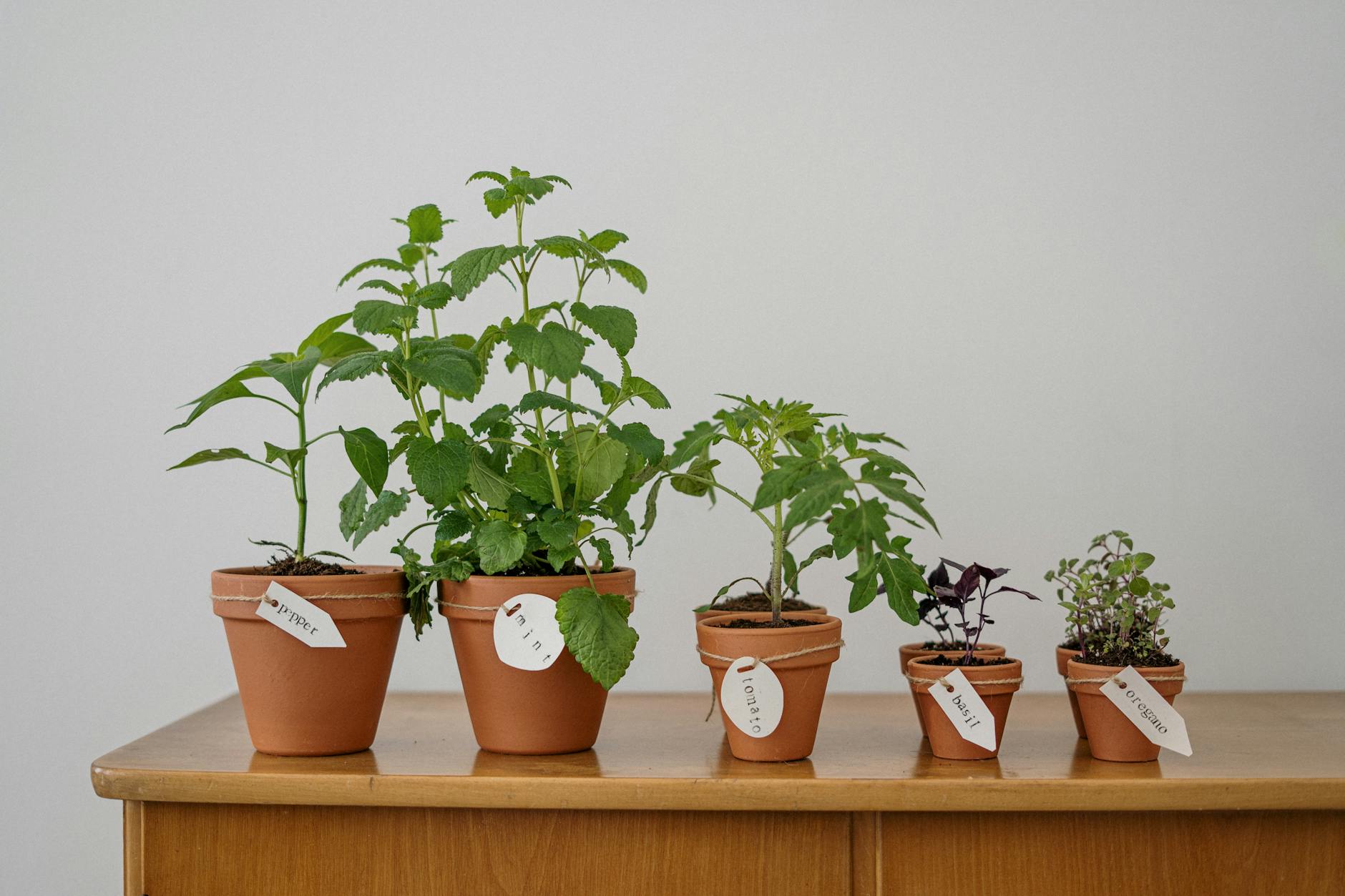
Towering Zucchini: Vertical Container Gardening in Terracotta
Okay, so I know what you're probably thinking: zucchini, in a container? Vertically? And terracotta? Jamie, have you finally lost your mind? Well, maybe a little, but hear me out. For years, I just assumed zucchini needed acres, or at least a whole raised bed, to really thrive. It's such a sprawling, thirsty beast, right?
But when you're apartment gardening, especially here in Brooklyn, "acres" isn't exactly in your vocabulary. "Pots," "crates," and "whatever-I-can-fit-on-this-fire-escape" are more like it. So, I started experimenting. I tried every trick in the book, and a bunch of tricks not in any book yet. And let me tell you, cracking the code on a truly productive vertical zucchini terracotta container setup? It's a game-changer. Seriously. Imagine fresh, homegrown zucchini without it eating your entire patio. It's possible, and I'm going to show you how.
This isn't some tiny, sad zucchini plant eeking out one fruit. We're talking real production, in a relatively small footprint, over about 10-12 weeks from seed to your first harvest. It takes a bit of planning and consistent care, but trust me, the payoff is worth it when you're slicing up your own homegrown greens for dinner.
Why Zucchini Does So Well with Container Gardening
Look, traditional zucchini varieties are basically garden bullies. They spread, they shade out smaller plants, and they consume nutrients like it's going out of style. This is why many people think containers are a no-go. But the secret, my friends, is variety selection and a bit of structural support. You're not going to be shoving a 'Black Beauty' into a pot and hoping for the best. That's just a recipe for frustration.
Instead, we leverage compact, bush, or even vining varieties that are bred for smaller spaces. These guys tend to produce fruit closer to the main stem, making them ideal for training upwards. Think 'Bush Baby,' 'Patio Star,' or 'Dunja.' They might not have the same massive canopy as their conventional cousins, but they're still incredibly productive. Plus, container growing, especially in terracotta, means better drainage and easier pest management. Less bending over, less battling squash bugs because you can actually see what's going on. It’s a win-win.
What You'll Actually Need
Alright, let's get down to the shopping list. You don't need a ton of fancy stuff, but a few key items will make all the difference for your vertical zucchini terracotta container.
Container: terracotta pot, System: Container Gardening
- Terracotta Pot (at least 18-20 inches in diameter, 18 inches deep): This is non-negotiable. Zucchini are heavy feeders and have surprisingly extensive root systems for a bush plant. Smaller than this, and you're just asking for stunted growth and disappointed dreams. Terracotta breathes, which is fantastic for preventing root rot, especially with how much water zucchini drinks. It also wicks away excess moisture, keeping things from getting too soggy. Just be aware it also means you'll water more often than with plastic.
- Good Quality Potting Mix (at least 2 cubic feet): Don't skimp here! This isn't just dirt; it's your plant's entire pantry for the next few months. I swear by FoxFarm Ocean Forest for starting mixes, but anything labeled "container mix" or "potting soil" with good drainage and some added nutrients will work. Avoid garden soil; it compacts too much in pots.
- Zucchini Seeds (Bush or Vining varieties): As I mentioned, look for 'Bush Baby,' 'Patio Star,' 'Dunja,' or similar. My favorite this past year was 'Romanesco,' which gave me stunning ribbed fruits.
- Strong Support System: This is crucial for vertical growth. Think a heavy-duty tomato cage (the tall, sturdy kind, not the flimsy ones) or a DIY trellis using stakes and twine. Something that can handle the weight of multiple heavy zucchini hanging off it. You'll thank me later.
- Fertilizer: A balanced granular fertilizer (like a 5-10-5 or 10-10-10) and a liquid feed. I usually alternate between an organic granular at planting and then a liquid fish emulsion or seaweed extract every couple of weeks once fruiting starts.
- Watering Can or Hose with a Gentle Sprayer: Consistent moisture is key.
- Pruners/Snips: For harvesting and occasional pruning.
- Mulch (optional but recommended): Straw, wood chips, or even shredded leaves. Helps retain moisture and regulate soil temperature.
The Growing Process, Step by Step
This is where the magic happens over the next 10-12 weeks. Consistency is key, folks!
- Week 1-2: Seed Starting & Potting Up
Last March, my first zucchini batch in a terracotta pot got leggy because I skimped on light – lesson learned the hard way. Don't be like me! Start your seeds indoors about 3-4 weeks before your last frost date, or sow directly if your climate allows. Use a good seed-starting mix in small biodegradable pots. You really only need one plant per large terracotta pot, so sow 2-3 seeds and thin to the strongest seedling. Once they have 2-3 true leaves, gently transplant them into your large terracotta pot filled with potting mix. Bury the stem a little deeper than it was in its starter pot to encourage stronger root growth. Position your support system (tomato cage, trellis) around the young plant now. Trying to put it in later will damage roots.
Give it a good soak after transplanting. Make sure that pot drains well. I can't stress that enough. That drainage hole is your best friend.
- Week 3-5: Establishing Growth & Training
This is when your zucchini will really start to take off. You'll see those big, broad leaves forming quickly. Keep the soil consistently moist, especially with a terracotta pot; it dries out faster than plastic. You might need to water daily, sometimes twice a day if it's hot and sunny! This is also when you start training. Gently weave the main stem and any side shoots through your support system. Don't force them, just guide them. The goal is to get that plant growing upwards rather than sprawling sideways. Give your first dose of granular fertilizer now, scratching it lightly into the top inch of soil around the plant.
- Week 6-8: Flowering & First Fruits
Around week 6 or so, you'll start seeing flowers! First, you'll likely get male flowers (they have a long, thin stem) and then female flowers (they have a tiny, immature fruit just behind the bloom). Bees are your best friends here, but if you're not seeing much action, you can hand-pollinate. Just use a small paintbrush or cotton swab to transfer pollen from a male flower to a female flower. You'll see tiny zucchini starting to form. This is exciting! Continue training the plant upwards. Begin liquid feeding every two weeks at half strength.
- Week 9-12+: Harvesting & Ongoing Care
Woohoo! Harvest time! Zucchini grows incredibly fast. You'll want to check daily. Pick them when they're 6-8 inches long for the best flavor and tenderness. Don't let them become baseball bats, or the plant will slow down production. Snip them cleanly with pruners, leaving a little bit of stem attached. Continue watering diligently and feeding every couple of weeks. As the plant gets bigger, you might need to add more ties to your support structure to keep it from flopping over, especially with the weight of the fruit. This consistent care keeps the plant producing for weeks, sometimes months, until the first hard frost. For more delicious DIY kitchen projects, you might be interested in my guide on planting garlic cloves in a mug for kitchen windowsill year round – another great space saver!
Mistakes I've Made (So You Don't Have To)
Oh, the stories I could tell. My first attempt at a vertical zucchini terracotta container in my Portland apartment? Disaster. I used a pot that was maybe 12 inches wide, thinking "zucchini isn't that big, right?" Wrong. So wrong. The plant was perpetually thirsty, the leaves yellowed, and I got maybe three tiny fruits before it just gave up. Under-potting is probably the number one mistake I see, and unfortunately, one I've made repeatedly in my early days. That's why I'm evangelical about proper pot size now.
Another classic Jamie blunder: underestimating sunlight. I thought my west-facing balcony got "enough" sun. For basil, sure. For zucchini, which wants 6-8 hours of direct, blazing sun? Nope. The plants were weak, struggled to set fruit, and were generally pathetic. Zucchini is a full-sun lover. Period. If you don't have it, don't even bother, or invest in a serious grow light. No amount of good soil or fertilizer will fix insufficient light.
Little Things That Make a Big Difference
- Pollination Assistance: If you're growing on a high-rise balcony or in a super urban area, natural pollinators might be scarce. A quick daily swipe with a paintbrush can ensure youactually get fruit.
- Mulch Matters: A layer of straw or shredded leaves on top of your soil in that terracotta pot dramatically reduces how often you need to water. It also keeps the soil temperature more stable.
- Pruning for Production (and sanity): While not strictly necessary for bush varieties, you can selectively prune some of the older, lower leaves that are starting to yellow or look ratty. This improves air circulation and directs the plant's energy into fruit production. Just don't go crazy, leaves are where the photosynthesis happens!
- Watering Consistency: This almost goes without saying, but it's especially critical in terracotta. Drought stress will quickly lead to blossom drop and bitter fruits. Check the soil moisture every morning and evening.
When to Harvest and What to Expect
You'll know it's time to harvest when the zucchini are tender, firm, and about 6-8 inches long. Sometimes even smaller, if you like baby zucchini! Don't let them get huge; they get watery and seedy when they're too big, and the plant will slow down production because it thinks it's done its job. Cut them cleanly with a sharp knife or pruners, leaving about an inch of stem attached. This helps them last longer. I typically get 2-3 harvests a week from a single healthy plant, sometimes more if it's really thriving. A good bush variety in a big pot can easily give you 15-20 zucchini over its lifetime. That's a lot of stir-fries and zucchini bread!
Remember, gardening is an experiment. Each season, each plant, each pot is a little different. Don't be afraid to try new things, learn from your failures (like my leggy zucchini fiasco!), and enjoy the process. There's nothing quite like walking out to your balcony and harvesting your own fresh food, even if it's just a single, perfect zucchini from your vertical zucchini terracotta container. Happy growing!
Keep exploring related guides
Follow the topic cluster below to discover more growing methods, troubleshooting advice, and crop-specific tutorials.