Container Gardening
5-Gallon Purple Basil: Perfect Soil Mix for Container Success
Learn how to purple basil potting mix recipe in your apartment. Step-by-step guide with expert tips.
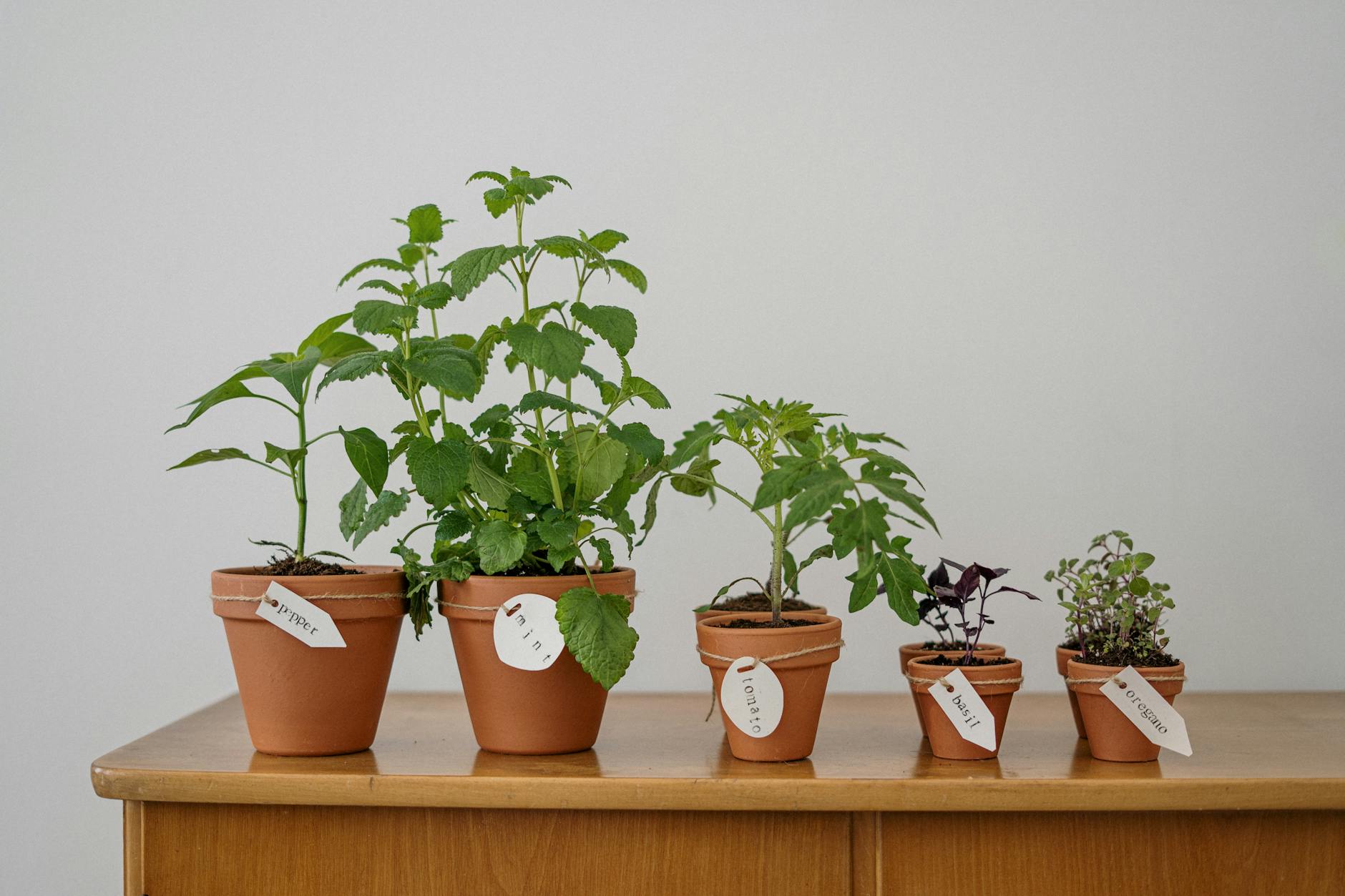
Why Purple Basil Does So Well with Container Gardening
Okay, so you want to grow some gorgeous, fragrant purple basil, but you’re stuck in an apartment like I was for a decade in Chicago? Perfect! Purple basil in a container, especially a 5-gallon bucket, is just about the easiest win you can get. Seriously. It’s got this incredible deep color, smells amazing, and tastes even better than green basil, in my humble opinion. Plus, it just thrives when you give it its own little world.
I’ve grown basil everywhere, from tiny window boxes in Brooklyn to gigantic fabric grow bags on a Portland patio. But the 5-gallon bucket? That’s where purple basil really shines. You get enough root space for a robust plant, but it’s still super portable. Chase the sun, move it out of a sudden downpour, bring it indoors if a late frost threatens. It’s flexible, and that’s key for us urban gardeners, right?
The secret, as with almost everything in gardening, comes down to the dirt. You can have the perfect sun, the ideal watering schedule, but if your calendula or your basil isn't happy with its feet, everything just falls apart. That's why dialing in the perfect purple basil potting mix recipe is so crucial for success.
What You'll Actually Need
Alright, let’s get down to brass tacks. This isn't rocket science, but having the right tools makes a difference. And by “tools,” I mostly mean ingredients for our magical soil mix.
Container: 5-gallon bucket
- A 5-gallon bucket: Ditch the fancy terracotta pots (my first year, I broke three moving them around, sigh). Go for a clean, food-grade 5-gallon bucket. You can often snag these for free from bakeries or restaurants – just make sure it held something benign, not chemicals. Drill at least six 1/2-inch drainage holes in the bottom. Seriously, drainage is non-negotiable.
- A drill: For those drainage holes.
- Good quality purple basil seeds or a starter plant: I usually start from seed indoors in February/March here in Zone 8b (shout out to the USDA Plant Hardiness Zone Map, though I usually ignore it for container annuals 😉). My go-to seed company is Baker Creek Heirloom Seeds or Johnny's Selected Seeds. Their “Dark Opal” purple basil is a stunner.
System: Container Gardening
This whole method is built around container gardening. It's about giving your plant a self-contained ecosystem that you control. This isn't “set it and forget it” gardening, but it's pretty darn close once you get the hang of it.
The Growing Process, Step by Step
Months 1-2: Seed Starting & Transplanting
Every February, like clockwork, I start my basil seeds. I use little seed-starting trays and a good quality seed-starting mix, like FoxFarm Ocean Forest. It's a bit pricey, but worth it for those delicate seedlings. I keep them under cheap LED shop lights for about 16 hours a day. Last March, my first Purple Basil batch in a 5-gallon bucket got leggy because I skimped on light – I thought indirect window light would be enough. Lesson learned: Basil wants sun, even as a baby!
Jamie's Go-To Purple Basil Potting Mix Recipe (for a 5-gallon bucket):
- 3 parts high-quality potting mix: Not “garden soil.” Potting mix. This is vital. It’s lighter, drains better, and is designed for containers. My current favorite is Espoma Organic Potting Mix.
- 1 part perlite: Don't skip this! It lightens the mix and improves drainage and aeration. Your roots need to breathe!
- 1 part compost or worm castings: This is your slow-release food and microbial booster. I make my own compost from kitchen scraps (yes, even in an apartment!), but you can buy organic compost or worm castings at any good garden center. This is where the magic happens, feeding your plant naturally for months.
- A handful of slow-release organic granular fertilizer: Something balanced, like a 4-4-4 or 5-5-5. I like something with some trace minerals for long-term feeding. I usually sprinkle in some “Jobes Organics All-Purpose Granular Fertilizer.”
Mix all this up in a separate container – a bigger bucket, a tarp, whatever works. You want it uniformly blended. Dampen it slightly before filling your 5-gallon bucket. You’re aiming for the consistency of a wrung-out sponge.
Once your basil seedlings have true leaves (two sets of leaves beyond the initial “cotyledons”), they're ready to move into their big home. Carefully transplant one or two seedlings into the center of your 5-gallon bucket. Don't crowd them; one strong plant is better than three weak ones. Water them in gently.
Months 2-3: Growth Spurt!
This is where your basil will take off. Make sure it gets at least 6-8 hours of direct sunlight. If you don't have that, it will still grow, but it might not be as bushy or flavorful. Rotate your bucket every few days to ensure even growth. Water regularly, especially in warmer weather. Stick your finger an inch or two into the soil – if it feels dry, water until it drains out the bottom. And don’t be afraid to let it get “thirsty” then water deeply. Overwatering is the enemy of container plants, trust me.
You’ll notice the beautiful deep purple leaves emerging, getting bigger and more fragrant. Pinch off any flower buds that emerge. This might feel counterintuitive, but those flowers signal the plant to stop producing leaves and start producing seeds. We want leaves! Keep pinching those little green tips for a bushier plant.
Month 3-4: Peak Production & Second Winds
By now, your purple basil plant should be a magnificent, fragrant bush. You'll be harvesting regularly (more on that in a sec). As the weather gets hotter into summer, you might need to water daily. A self-watering insert for the 5-gallon bucket can be a lifesaver here if you're like me and sometimes forget a day (or two, don't judge). I’ve also been known to grow lettuce in old soda bottles, so I’m no stranger to creative watering solutions!
If your plant starts looking a little pale, give it a light dose of liquid organic fertilizer, something like a diluted fish emulsion or a balanced organic liquid feed. This is especially important for container plants since nutrients can leach out with watering over time. Cornell Extension has some great resources on organic fertilization if you want to dive deeper.
Mistakes I've Made (So You Don't Have To)
Oh boy, where to start? My initial attempts at anything purple basil-related were… educational. One year, I used garden soil from a friend's yard, thinking “dirt is dirt.” Nope. My basil roots suffocated and the plant barely grew an inch. The soil was too heavy, compacted like concrete. It was a sad, slow death for those plants. That's why the purple basil potting mix recipe I shared is so specific; it's designed to prevent *that* kind of heartbreak.
Another classic Jamie blunder: “I’ll just add more seeds, that’ll make it grow faster!” I dumped about 20 seeds into one 5-gallon bucket, thinking I'd get a mega-basil plant. Instead, they all competed for resources, stayed spindly, and never really took off. Thinning is brutal but necessary. Now I go for one strong plant, maybe two, per 5-gallon bucket. It's tough love, but the plants thank you for it.
And then there was the time I forgot about pinching. Seriously, that one plant bolted and flowered into oblivion within a week while I was on a mini-vacation. Came back to a bunch of sad, tiny, bitter leaves. Always pinch those flowers!
Little Things That Make a Big Difference
- Air circulation: Don't cram your basil into a corner. Good airflow helps prevent fungal diseases. Especially important in humid climates.
- Mulch (optional but good): A thin layer of straw or wood chips on top of the soil can help retain moisture and keep soil temperatures even.
- Talking to your plants: Okay, maybe this is just my quirk, but I swear my plants respond to positive encouragement. Their leaves seem perkier after a nice chat. Trust me on this one.
- Cleanliness: Keep the area around your plant tidy. Remove any dead leaves or debris. Pests love hiding places.
When to Harvest and What to Expect
You can start harvesting your purple basil once the plant has grown at least 6-8 inches tall and has several sets of true leaves. Don’t prune more than a third of the plant at once. Use sharp scissors or pruners and cut just above a leaf node (where two leaves grow from the stem). This encourages branching and bushier growth. You'll literally see the plant respond with new shoots in a few days. It's incredibly satisfying.
The flavor of purple basil is slightly sweeter, with hints of clove or anise, compared to green basil. It's absolutely stunning in salads, pestos (though your pesto will be purple, which is fun!), infused oils, and even just chopped fresh over pasta. The color is just incredible. My neighbor in Portland, a fabulous chef, used my purple basil to make a gorgeous violet-hued pesto for a caprese salad that guests absolutely raved about.
Your 5-gallon purple basil plant should give you a good 3-4 months of consistent harvest, especially if you’re diligent with pinching and occasional feeding. As the days shorten and temperatures drop in late summer/early fall, its production will slow. That's your cue to either bring it indoors (if you have a super sunny spot and want to try to extend its life, which I’ve done with garlic) or just enjoy those last harvests. The good news? You can start over next year with new seeds, new soil, and even more wisdom. You're going to love this part!
Keep exploring related guides
Follow the topic cluster below to discover more growing methods, troubleshooting advice, and crop-specific tutorials.