Container Gardening
Mason Jar Catnip: Humidity Hacks for Thriving Plants
Learn how to catnip mason jar humidity control in your apartment. Step-by-step guide with expert tips.
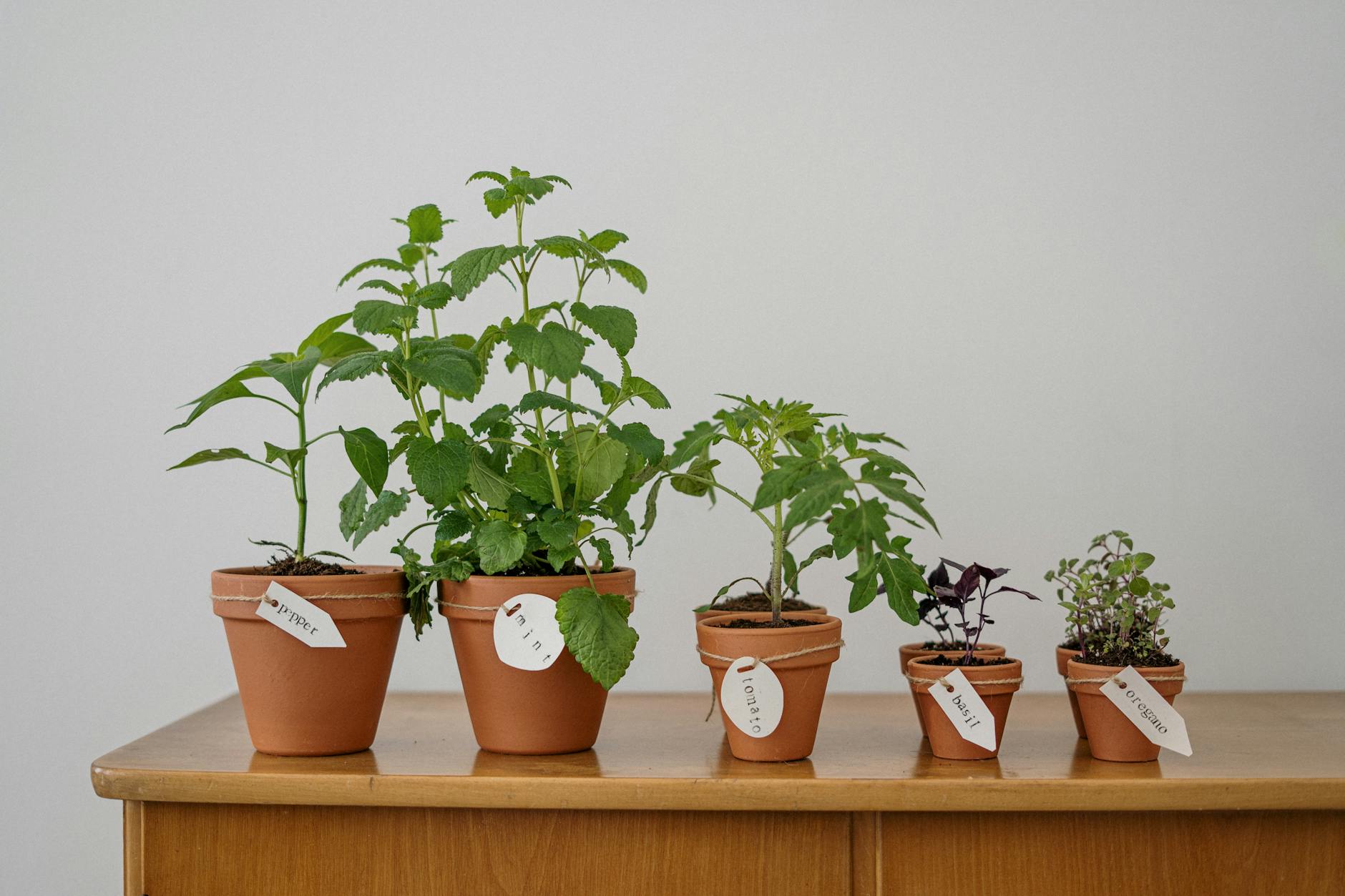
Alright, so picture this: it's a dreary November in Brooklyn, I'm staring out at perpetually gray skies, and my cats, bless their little cotton socks, are bored out of their minds. That's usually my cue to get something growing indoors, something green and fragrant that screams "life!" And honestly, catnip is my go-to for a quick win that makes everyone happy (especially the furry overlords). I’ve messed around with all sorts of setups, but there’s something really satisfying about getting a nice bushy catnip plant going in a mason jar. The secret sauce, which took me way too long to nail, is all about getting that catnip mason jar humidity control just right. Seriously, it's a total game-changer.
I know, I know, humidity sounds like some super technical gardening term. But trust me, for a happy, thriving catnip plant in a small container, it’s not as scary as it sounds. We're talking apartment growing here. We're talking small, manageable steps. We're talking giving your plant exactly what it needs without turning your living room into a swamp.
Why Catnip Does So Well with Container Gardening
Catnip (Nepeta cataria) is one of those plants that, while it can get a bit wild in the ground, really adapts beautifully to containers. It's a tough little perennial herb. I've grown it in all sorts of conditions, from a tiny windowsill in Portland to a drafty Chicago apartment. The beauty of a mason jar is its size – it's perfect for keeping things contained, and it means you can tuck it into almost any sunny spot. Plus, it looks cute! Who doesn't want a little natural greenery on their counter?
It’s forgiving, too. You forget to water it for a day? It'll probably droop dramatically, make you feel guilty, then perk right back up when you give it a drink. It's not nearly as fussy as, say, mint, which will try to escape its pot and take over your entire existence. (Seriously, mint is a menace. If you want to grow mint, keep it confined to a separate container. I've got a whole post on growing garlic in a mug that uses similar principles for containment, without the escape artist tendencies.)
What You'll Actually Need
Okay, let's get down to brass tacks. You don't need a ton of fancy stuff, which is why I love this project.
Container: Mason Jar
- A wide-mouth quart-sized mason jar: This gives you enough space for root development without being gigantic. Plus, the wide mouth makes it easier to work with.
- Drainage: Look, I'm gonna be blunt. Mason jars don't have drainage holes. This is where most people screw up. You HAVE to create a false bottom. I use about an inch of small pebbles, leca balls, or even broken terracotta pieces at the very bottom. This keeps your roots from sitting in soggy soil and rotting, which is the kiss of death for almost any plant.
System: Container Gardening
- Good quality potting mix: Don't skimp here. I prefer something light and airy that drains well but still holds some moisture. FoxFarm Ocean Forest is my absolute favorite, but any good organic potting mix will do. Avoid garden soil; it compacts too much in containers.
- Catnip seeds: You can find these online or at most garden stores. They’re super affordable.
- A spray bottle: Critical for humidity control!
- Plastic wrap or a small plastic dome: Again, for humidity.
- Some grow lights (optional but recommended): Especially if you're like me and your "brightest window" is often still pretty dim during winter. Last March, my first catnip batch in a mason jar got super leggy because I skimped on light – lesson learned! A cheap LED grow light can make all the difference. I use a simple full-spectrum LED clip-on light that cost me about $20.
- A small fan (optional): For air circulation.
The Growing Process, Step by Step
We're aiming for a happy, healthy catnip plant in about 6-8 weeks, ready for your feline friends to enjoy.
- Week 1: Getting Started and Seeding. First, put that drainage layer in your mason jar. Then, fill it about three-quarters full with your potting mix. Gently moisten the soil – it should be damp, not soaking wet. Sprinkle a few catnip seeds on top, then lightly cover them with a thin layer (about 1/8 inch) of potting mix.
- Weeks 1-2: The Germination Chamber. This is where catnip mason jar humidity control really kicks in. Lightly mist the surface with your spray bottle. Then, cover the top of the mason jar with plastic wrap or a small plastic dome. This creates a mini-greenhouse effect, trapping humidity, which those tiny catnip seeds just love for germination. Place your jar in a warm spot, ideally around 65-70°F (18-21°C). If you have a grow light, now's the time to use it – catnip needs light to germinate! Keep the soil consistently moist by misting as needed; don't let it dry out. You should start seeing little sprouts after 7-10 days.
- Weeks 3-4: Sprout Care and Thinning. Once your seedlings appear, remove the plastic wrap for increasing periods each day. You want to gradually acclimate them to the ambient humidity of your home. Keep misting regularly, especially the first few days after removing the cover. This is still a critical period for maintaining that initial humidity. When your seedlings have developed a few true leaves (the second set of leaves, not the tiny first ones), it's time to thin them out. Gently snip off the weaker seedlings at the soil line, leaving 2-3 strong plants per jar, ideally giving them a bit of space. This sounds brutal, but it's essential for strong growth. More plants mean more competition for resources, and you'll end up with spindly plants.
- Weeks 5-6: Growing Strong. Now your catnip plants are growing! At this stage, you'll still want to maintain a good level of humidity, but you don't need the constant mini-greenhouse effect. I usually give my plants a good misting once a day, in the morning. If your apartment is super dry (like mine gets in the winter with the heat blasting), you might do a light mist twice. Check the top inch of soil; if it feels dry, it’s time to water. Water deeply until you see a little run-off into your drainage layer. Don't let it sit in standing water. Rotate your jar every few days if it's by a window to ensure even growth. This is also when I start thinking about airflow. A small desk fan oscillating nearby for a few hours a day can prevent fungal issues and strengthen stems.
- Weeks 7-8: Bushy Beauty and Pruning. Your catnip should be looking pretty good by now. You'll want to start encouraging bushier growth by pinching back the tops. Just snip off the top set of leaves and the stem right above a leaf node. This tells the plant to branch out instead of just growing tall and leggy. This is also the point where you might introduce your first light feeding if you used a relatively inert potting mix. I use a very dilute organic liquid fertilizer, like an all-purpose Alaska Fish Emulsion, about once every two weeks.
Mistakes I've Made (So You Don't Have To)
- Overwatering without drainage: This was my rookie mistake. Thinking "more water = happy plant." Nope. Rot. Every single time. That drainage layer in a mason jar is NON-NEGOTIABLE. Without it, you're just begging for root rot.
- Skipping the humidity tent: When I first started, I thought, "Oh, it's just catnip, it'll be fine." My germination rate was abysmal. Once I started consistently using the plastic wrap, it was like night and day. Those seeds need that moist, warm environment to kickstart.
- Not enough light: I already mentioned my leggy catnip. Seriously, light is crucial. Especially during the short, dark days of winter. My Brooklyn apartment windows are better for people-watching than serious plant growing. Supplementary light changed everything.
- Forgetting to thin: My first few attempts resulted in a clump of sad, weak catnip sprouts all fighting for space. Trust me, sacrificing a few to let the strong ones thrive is for the best.
Little Things That Make a Big Difference
- Use lukewarm water for misting/watering: Cold water can shock your plant. Just a little warmer than room temp is perfect.
- Clean your jar: Before you even start, give that mason jar a good scrub. You don't want any leftover pickle residue, trust me on this one.
- Consider a pebble tray: If your home is super dry, beyond just misting, place your mason jar on a tray filled with pebbles and a little water. The evaporating water will create a localized humidity zone around your plant. Just make sure the bottom of your jar isn't sitting *in* the water.
- Good air circulation: I know I harped on humidity, but stagnant, humid air is a recipe for mold and mildew. A gentle breeze from a small fan for a few hours a day can do wonders. The RHS (Royal Horticultural Society) often emphasizes good air circulation for preventing fungal diseases, and they know their stuff.
- Talk to your plants: Okay, maybe it's woo-woo, but I swear my plants just do better when I spend a few minutes with them every day, observing them, touching the leaves. It helps me catch problems early, too!
When to Harvest and What to Expect
Around the 6-8 week mark, your catnip should be ready for its first harvest. What you're looking for are plants that are at least 6-8 inches tall with a good number of leaves.
To harvest: Snip off the top few inches of growth, just above a set of leaves. This encourages the plant to branch out and become bushier. Don't take too much at once, especially on a younger plant – never more than about a third of the plant's total growth. You'll notice that classic minty-lemony scent when you cut it. You can give it fresh to your cats, dry it for later (hang small bunches upside down in a dark, airy place), or even steep it for a relaxing tea for yourself (yeah, catnip tea is a thing! I even wrote a little about it in my calendula post as a calming herb).
Your catnip plant, with proper catnip mason jar humidity control and care, can keep producing for months, even years. Mine have often gone for a full year before they start looking a bit tired, at which point I usually just start a fresh batch. It's a quick, easy, and incredibly rewarding process. Happy growing!
Keep exploring related guides
Follow the topic cluster below to discover more growing methods, troubleshooting advice, and crop-specific tutorials.