Companion Planting
Vertical Thai Basil: Companion Planting for Window Box Success
Learn how to vertical thai basil window box in your apartment. Step-by-step guide with expert tips.
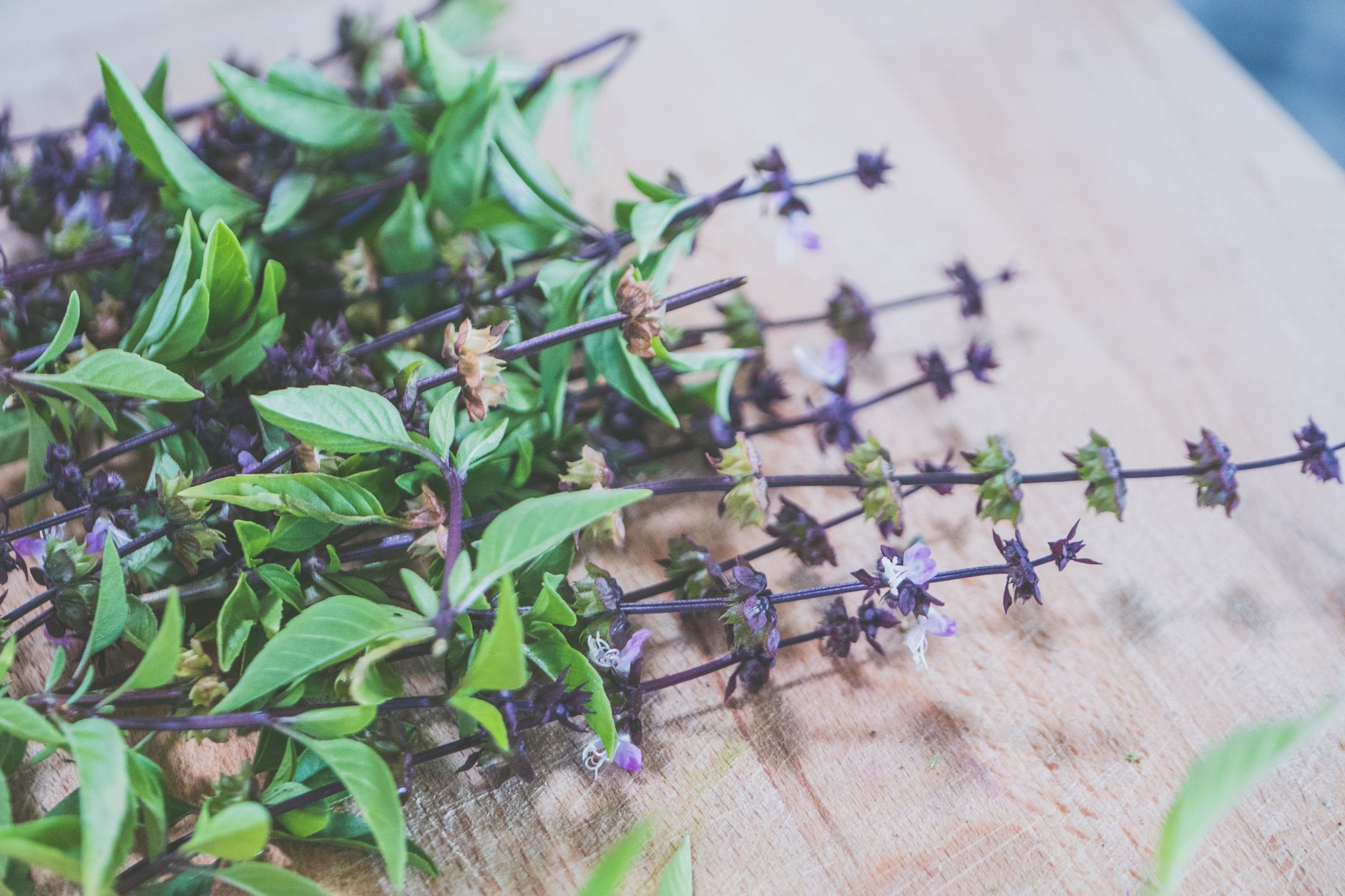
Why Thai Basil Does So Well with Companion Planting
Okay, so you want fresh Thai basil, right? The kind that just explodes with flavor in your curry or on your pho. But you're in an apartment, maybe a little patio, or just have a single window box. Don't worry, I got you. We’re going to talk about setting up a killer vertical Thai basil window box using companion planting principles.
Here’s the thing though, Thai basil, like its sweeter Genovese cousin, just loves having friends around. It’s not just a cute garden myth; there’s some real science backing this. Basil, especially Thai basil with its slightly spicier, anise-like scent, is a known pest deterrent. Thrips, flies, even mosquitoes will often give it a wide berth. And what’s good for deterring pests around your basil is usually good for deterring pests around its neighbors too. It’s a win-win.
I’ve personally tried growing Thai basil solo in pots, and it's fine, but it never quite reaches the same lushness as when it's tucked in with some pals. I remember one summer in Chicago, I had a row of solitary basil plants, and they were always just… meh. Then, I tried interplanting them with calendula and marigolds – boom! The basil exploded. Fuller leaves, stronger scent. It's like the companion plants create this little micro-ecosystem, a protective bubble where everyone thrives.
Another benefit? Soil health. Different plants pull different nutrients from the soil, which helps prevent any one nutrient from getting totally depleted too quickly. Plus, if one plant has slightly different water needs, it can often adapt when growing with others, creating a more balanced moisture profile in your container. I’ve written a lot about this over the years, like in my general guide to companion planting for small spaces. It’s truly a game-changer for urban gardeners.
What You'll Actually Need
Alright, let's get down to brass tacks. For our vertical Thai basil window box, you don't need a ton of fancy gear. Most of this you might already have kicking around.
Container: Window Box Planter
- Strongly recommend a window box planter about 24-36 inches long and at least 8 inches deep. Deeper is better, especially for the companion plants we’re talking about. Drainage holes are NON-NEGOTIABLE. Seriously.
- Self-watering vs. Regular: I've had great success with both. Self-watering ones are lovely for busy folks but can be tricky if you tend to overwater. A regular one just means you're good at consistency.
System: Companion Planting (Our Star Players)
For Thai basil, I love pairing it with specific plants that offer tangible benefits. We want a trifecta here: pest control, flavor enhancement (sometimes!), and aesthetic appeal.
- Thai Basil (obviously!): 2-3 young plants or a packet of seeds. I prefer starting with seedlings for a quicker initial harvest, but seeds are super economical. Look for 'Siam Queen' or 'Sweet Thai' varieties.
- Marigolds (French variety): 2-3 small plants or a small packet of seeds. These are my absolute go-to for deterring nematodes and other soil-borne nasties. Plus, they add a cheerful pop of orange or yellow.
- Bush Beans (Dwarf or Bush variety): 2-4 seeds. These are nitrogen fixers! They pull nitrogen from the air and make it available in the soil for your basil. Total power move. Opt for dwarf varieties like 'Provider' or 'Contender' that won't sprawl.
- Optional but Recommended: Nasturtiums: 1-2 seeds/plants. These act as "trap crops." Aphids LOVE nasturtiums, so they'll often flock to them instead of your precious basil. Bonus: the leaves and flowers are edible and have a peppery kick!
Soil & Amendments:
- Good Quality Potting Mix: This is NOT where you skimp. I swear by FoxFarm Ocean Forest. It's got everything your plants need to get a strong start. It’s a bit spendy but worth it.
- Perlite or Vermiculite: If your potting mix feels a bit heavy, add a handful or two for aeration.
- Compost: A scoop of good quality compost mixed into the top layer provides slow-release nutrients.
Tools:
- Small trowel
- Watering can with a gentle shower head
- Pruning snips or sharp kitchen scissors
The Growing Process, Step by Step
This whole thing takes about 4-6 weeks to get to a point where you're harvesting regularly. Patience, my friend!
Week 1-2: Setup & Seeds
- Prep Your Planter: Clean your window box thoroughly. If it’s been used before, a quick scrub with some diluted bleach (then rinse!) helps prevent disease.
- Fill 'er Up: Fill your window box with your potting mix, leaving about an inch or two from the rim. Mix in some compost and perlite if you're using them.
- Planting Layout (The Art Part!):
- In the center, plant your 2-3 Thai basil seedlings, spacing them about 6-8 inches apart. If starting from seed, sprinkle 3-4 seeds together at each spot, then thin to the strongest seedling later.
- Along one side, sow your bush bean seeds, maybe 2 inches in from the edge and 4-6 inches apart.
- On the other side, plant your marigold seedlings or sow seeds the same way.
- If using nasturtiums, tuck them into the corners or along one of the short ends.
- Watering: Give everything a good, gentle soaking. The goal is moist, not soggy.
- Placement: Find a spot that gets at least 6-8 hours of direct sunlight. South-facing windows are ideal for a vertical Thai basil window box. Last March, my first Thai Basil batch in a window box planter got leggy because I skimped on light – lesson learned the hard way!
Week 3-4: Growth & Thinning
- Germination: You should start seeing seedlings pop up. This is exciting!
- Thinning: If you sowed seeds, thin them! For basil, you want the strongest plant every 6-8 inches. For beans and marigolds, thin to one plant per spot. Don't be afraid to snip the weaker ones; it makes the strong ones even stronger.
- Watering: Keep the soil consistently moist. Stick your finger in – if it feels dry up to your first knuckle, it's time to water.
- Pinching Basil: Once your basil plants have about 3-4 sets of true leaves, it's time to pinch! Snip off the very top set of leaves, right above a node. This encourages bushier growth and prevents it from flowering too early (which makes the leaves bitter).
Week 5-6: Budding & First Harvest
- Continued Pinching: Keep pinching your basil regularly. Every week or so, take off the top growth. This is key to a continuous harvest.
- Marigold Blooms: Your marigolds should be starting to bloom. Beautiful, right?
- Bean Flowers: The bush beans will start flowering, a precursor to those tasty pods.
- Pest Patrol: Keep an eye out for any pests. Those nasturtiums should be doing their job, but sometimes a rogue aphid might appear. A quick spray with insecticidal soap (make your own with dish soap and water!) usually takes care of it. You can check out my post on companion planting lettuce and chives for slug deterrent for more pest tips.
- First Harvest: By now, your basil should be looking lush! You can start harvesting some of the outer, larger leaves. Don't take more than about a third of the plant at a time.
Mistakes I've Made (So You Don't Have To)
- Overwatering: My first few years, I killed so many plants with kindness. I thought "moist" meant "soggy." Nope. Root rot is real, and it’s a silent killer. Always check the soil.
- Under-Pinching Basil: I used to be terrified of pruning, thinking I was hurting the plant. Oh, how wrong I was! Basil thrives on being pinched. If you let it flower, the leaves lose flavor and the plant focuses all its energy on seed production. Don't be me! Be brave, snip away.
- Skimping on Sun: Especially for a vertical Thai basil window box, you need serious sun. I mentioned my leggy basil, right? It was sad. Like a gangly teenager who hadn't hit their growth spurt yet. More sun, more flavor, more growth. Simple as that.
- Forgetting About Drainage: I once put plants in a cute ceramic pot that had NO drainage holes. I thought, "Oh, I'll just be careful with watering!" *Narrator: She was not careful with watering.* Everything died. Every single time now, I check for holes.
Little Things That Make a Big Difference
- Bottom Watering: Sometimes, especially with smaller plants or if your soil gets too dry, bottom watering can be a game-changer. Just set your window box into a tray of water for 20-30 minutes and let it soak up from the bottom. Cornell Extension has some great resources on proper watering techniques, if you want to get super specific. (https://www.gardening.cornell.edu)
- Rotate Your Planter: If your light source isn't perfectly even, rotate your window box every few days. This prevents plants from leaning too much towards the sun and ensures even growth for your vertical Thai basil window box setup.
- Deadheading Marigolds: Snip off spent marigold blooms. This encourages more flowers and keeps the plant looking tidy.
- Talk to Your Plants: Okay, hear me out. I'm not saying they'll talk back, but spending time observing your plants helps you catch issues early. Are the leaves yellowing? Are there tiny bugs? You'll notice these things faster if you're engaging with your garden regularly.
When to Harvest and What to Expect
You should be able to start harvesting your Thai basil leaves by week 5 or 6, even earlier if you started with established seedlings. Look for those strong, fragrant leaves. The younger, top leaves are often the most tender and flavorful.
Harvesting Technique: Always pinch or snip just above a set of leaves (a node). This encourages the plant to branch out, giving you more leaves in the long run. Don't be afraid to take a good amount! Basil likes to be harvested.
Expected Output: From a well-maintained vertical Thai basil window box like this, you can expect to harvest fresh leaves consistently for several months, usually from spring through fall, depending on your climate (check your USDA Hardiness Zone!). The bush beans will provide a small, continuous harvest of pods over a few weeks. And those marigolds? They'll keep blooming, adding beauty and pest protection.
Eventually, usually by late summer or early fall, your basil will start to slow down. That’s okay! You can let it go to seed if you want to try growing it next year, or simply pull it and plan for your next crop. You could even try drying or freezing your surplus basil. Either way, you get to enjoy the incredible aroma and flavor of homegrown Thai basil, right from your window. How cool is that?
Keep exploring related guides
Follow the topic cluster below to discover more growing methods, troubleshooting advice, and crop-specific tutorials.