Companion Planting
Kale Power: Self-Watering Propagation with Companion Planting
Learn how to kale companion planting self-watering pot in your apartment. Step-by-step guide with expert tips.
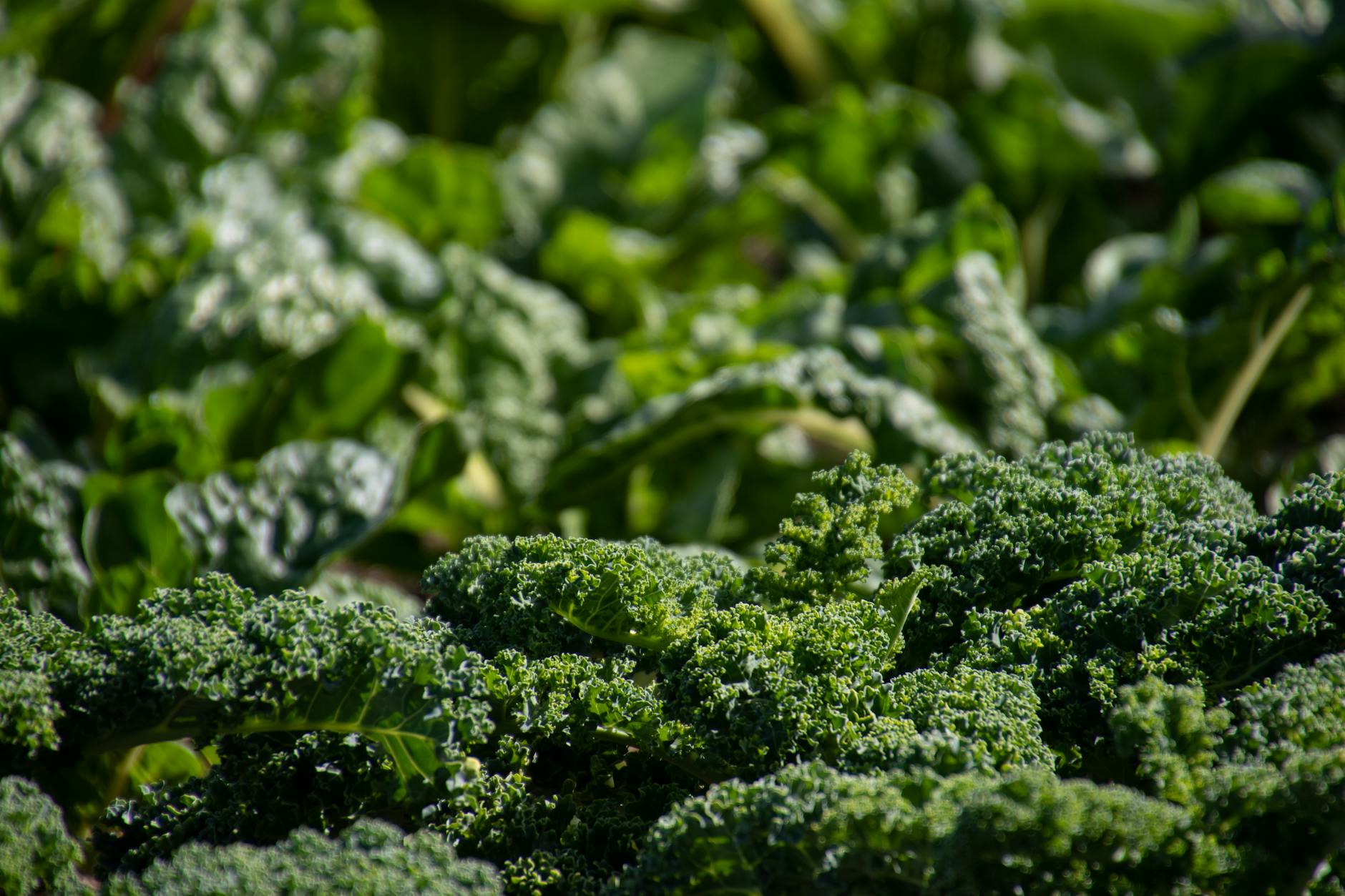
Why Kale Does So Well with Companion Planting
Okay, so lately I've been getting tons of questions about growing kale indoors, especially for folks with limited space. And let me tell you, it's one of my absolute favorites. Kale is just a rockstar, seriously. It’s tough, it’s nutritious, and it bounces back even when you mess up a little. (Trust me, I mess up a lot.) I’ve grown literal forests of it in tiny Brooklyn windowsills and drafty Portland apartments.
But here’s the thing: you can make kale even happier, and your life a whole lot easier, by leveraging two simple techniques: companion planting and self-watering pots. Today, we're going to dive into how to get your kale journey started with a technique focused on kale companion planting self-watering pot action. We’re talking about propagation here, getting those tiny seeds to sprout and thrive in their first few weeks.
Why companion planting for kale? Well, kale is part of the brassica family, and like many brassicas, it can be a magnet for certain pests – aphids, cabbage worms, you name it. Companion plants don't just provide good vibes; they can actually deter pests, attract beneficial insects, or even improve soil nutrients. It's like having a little defense squad and a snack bar all rolled into one for your kale.
For kale, I love pairing it with things that either smell strong to confuse pests or offer a different kind of support. Think herbs – strong-smelling ones are your friends. Marigolds are fantastic for keeping nematodes away, which can sometimes be an issue even in pots. Chives are brilliant for deterring aphids. Seriously, aphids hate chives. I’ve even seen basil do some good work. We're not just throwing random seeds in a pot; we're creating a tiny, self-sustaining ecosystem right there on your windowsill.
What You'll Actually Need
Container: self-watering pot, System: Companion Planting
Alright, let’s get down to brass tacks. You don’t need a ton of fancy stuff to get started, which is awesome. Most of this you might already have kicking around.
- Self-watering pot: This is key, and it does exactly what it says on the tin. It has a reservoir at the bottom and a wicking system (usually a rope or a raised grid) that slowly draws water up into the soil. For propagation, this makes life SO much easier. No more guessing if the soil is too wet or too dry for delicate seedlings. They get consistent moisture. I'm a big fan of the classic "earthbox" style self-watering planters, but honestly, even a DIY system with two nested containers and a wick works great for a few plants. Just make sure it’s got at least a 6-8 inch deep growing area for kale roots.
- Kale Seeds: Pick a variety you like! 'Lacinato' (Dinosaur Kale) is a personal favorite for its texture and flavor. 'Red Russian' is beautiful. 'Tuscan' is a classic. Any type will work for propagation.
- Companion Plant Seeds: For that sweet kale companion planting self-watering pot action, I usually go with chives or little dwarf marigolds (Tagetes patula). Sometimes even basil, but chives are probably my top pick for young kale. They're easy growers and super effective.
- Seed Starting Mix: Don't skimp here. You want something light, fluffy, and sterile. I swear by FoxFarm Ocean Forest for starting mixes – it’s got just enough good stuff to get them going without being too heavy. Avoid dense potting soil; it’ll suffocate those tiny roots.
- Light Source: This is WHERE I screwed up numerous times. Last March, my first kale batch in a self-watering pot got leggy because I skimped on light – lesson learned. If you don't have a south-facing window with direct sun for 6+ hours, you NEED a grow light. A simple LED shop light works wonders. Doesn’t have to be expensive, just consistent.
- Water: Filtered water is nice, but tap water that’s been allowed to sit out for 24 hours to off-gas chlorine is usually fine.
- Optional but Recommended: A humidity dome or cling wrap for the first few days, small labels for your seeds (trust me, you'll forget what you planted where), and a spray bottle for initial moistening.
The Growing Process, Step by Step
This whole process takes about 2-3 weeks to get those kale seedlings robust enough for thinning or transplanting. Let’s break it down:
- Prep Your Pot: Set up your self-watering pot according to its instructions. Make sure the wicking system is in place. Fill the reservoir with water. This is crucial for day one.
- Fill ‘er Up: Gently fill the growing area of your pot with your seed starting mix. Don't pack it down too hard; you want it airy. Leave about an inch of space from the rim. Then, lightly mist the surface with your spray bottle until it's just damp. You might even see the wicking system start to pull moisture up now.
- Planting Time (Week 1):
- Kale: Make small indentations, about a quarter-inch deep, where you want your kale. I usually aim for 3-4 spots spaced evenly in a medium-sized pot, knowing I’ll thin them later. Drop 2-3 kale seeds into each spot. Covering your bases, you know?
- Companion: Now for the companion plant. If you're doing chives, scatter about 5-7 seeds in a cluster a few inches away from your kale spots. If dwarf marigolds, plant one seed between two kale groups, or on the edge of the pot. Lightly cover all seeds with a thin layer of starting mix.
- Cover Up: If you have a humidity dome, pop it on. If not, loose cling wrap stretched over the top works. This creates a mini-greenhouse effect, keeping moisture in, which helps germination.
- Light On: Put your pot under your grow light immediately. Seedlings need light from day one, not just after they sprout. Keep the light about 2-4 inches above the soil surface. Leave it on for 14-16 hours a day.
- Maintain: Check the water reservoir daily, keeping it topped up. You'll barely need to water from the top if your wicking system is doing its job. Just mist the surface if it looks dry before sprouts emerge.
- Sprouting & Early Growth (Weeks 1-2):
- Patience, Grasshopper: Kale seeds usually sprout within 5-10 days. The companion plants might be a bit faster or slower, but typically within the same timeframe. Once you see sprouts, remove the humidity dome/cling wrap. You still want humidity, but air circulation is crucial now to prevent damping off (a nasty fungus that kills seedlings).
- Light Adjustment: Keep that grow light close! If the sprouts start looking leggy (long, thin stems reaching for the light), move the light closer. Leggy seedlings are weak seedlings.
- Watering: Continue to keep the reservoir full. The capillary action will keep the soil perfectly moist for your baby plants. It's truly a game-changer; I used to overwater or underwater my seedlings all the time in conventional pots, and a self-watering pot just solves that headache.
- Initial Thinning (Optional): If you have multiple kale sprouts in one spot, snip the weaker ones at the soil line, leaving the strongest. Don't pull them out, as you can disturb the roots of the one you want to keep.
- Strengthening & Second Set of Leaves (Week 2-3):
- True Leaves: Your kale will develop its first set of "true leaves" – these look like tiny versions of mature kale leaves, not the initial smooth, round cotyledons. This is a sign of good health and growth!
- Final Thinning: Now's the time for the final thinning. You want one strong kale plant per designated spot. Snip away the weaker ones. For chives, you can thin them to give each sprout a bit more room, but they're pretty happy in clumps.
- Air Circulation: If you've been using a small fan on a low setting, this is a great time to continue. It helps strengthen the stems and further prevents fungal issues.
- Continue Routine: Keep the reservoir full, light consistent, and observe your plants. They should be looking strong and green.
Mistakes I've Made (So You Don't Have To)
Look, I've killed more plants than I can count. It's part of the learning curve. Here are a couple of my doozies:
- Forgetting to Fill the Reservoir: One year, I started a beautiful batch of kale and marigolds in a self-watering pot. Got super busy with client work, and completely forgot to check the reservoir for three days. Came back to crispy, dead seedlings. Rookie mistake. The whole point of the self-watering system is to keep it full! Don't be me.
- Too Much Fertilizer, Too Soon: Seed starting mix doesn't need much, if any, extra nutrients for the first 2-3 weeks. I once decided my kale looked a little pale and gave it a splash of diluted liquid fertilizer too early. Ended up with chemical burn on the delicate baby leaves. They eventually recovered, but it stunted their growth. Lesson learned: less is more when they're babies. Just let the soil mix do its job.
Little Things That Make a Big Difference
- Temperature: Kale loves cool temperatures, even as a seedling. Around 60-70°F (15-21°C) is ideal. If your apartment is super hot, try to find a cooler spot for them.
- Air Flow: A gentle breeze from a small fan (not directly on them, just circulating air) will make their stems stronger, preventing them from snapping later. It also helps prevent fungal issues.
- Cleanliness: Keep your tools and pots clean. Sterilizing pots with a 10% bleach solution (and rinsing well!) before each planting helps prevent disease carryover.
- Observe: Spend 5 minutes every day just looking at your plants. Are they perky? Are the leaves a good color? Are there any tiny bugs? Catching problems early is your best defense.
When to Harvest and What to Expect
After about 3 weeks, your kale and its companion will be little green powerhouses. They'll have several sets of true leaves, sturdy stems, and a happy root system thanks to your kale companion planting self-watering pot setup.
At this point, you have a few options:
- Continue Growing in the Same Pot: If your pot is large enough (think 8-10 inches diameter or more per kale plant), you can absolutely keep them growing there. Just make sure you've thinned to the appropriate number of plants (usually 1-2 kale plants per pot, depending on size, maybe a few chive clumps). Your kale will start producing edible leaves around 45-60 days. Just check out my guide on growing kale in yogurt cups for how quick it can be!
- Transplant: If your current pot is too small for mature kale, this is the time to transplant them into larger containers. Be gentle with the roots! You can transplant the kale and its companion together if you wish, maintaining that beneficial relationship.
You're going to start noticing the benefits of your companion planting. Those chives? Their slightly pungent aroma will be confusing to tiny pests looking for a kale buffet. Plus, you’ll have fresh chives for your recipes! It's a win-win.
Remember, urban gardening is about adapting and learning. There's no one perfect way to grow, but this approach with kale companion planting self-watering pot makes it incredibly efficient and rewarding, especially when you're starting out. Happy growing!
Keep exploring related guides
Follow the topic cluster below to discover more growing methods, troubleshooting advice, and crop-specific tutorials.