Companion Planting
Hanging Basket Peppers: Seed to Harvest with Companion Plants
Learn how to pepper hanging basket companion planting in your apartment. Step-by-step guide with expert tips.
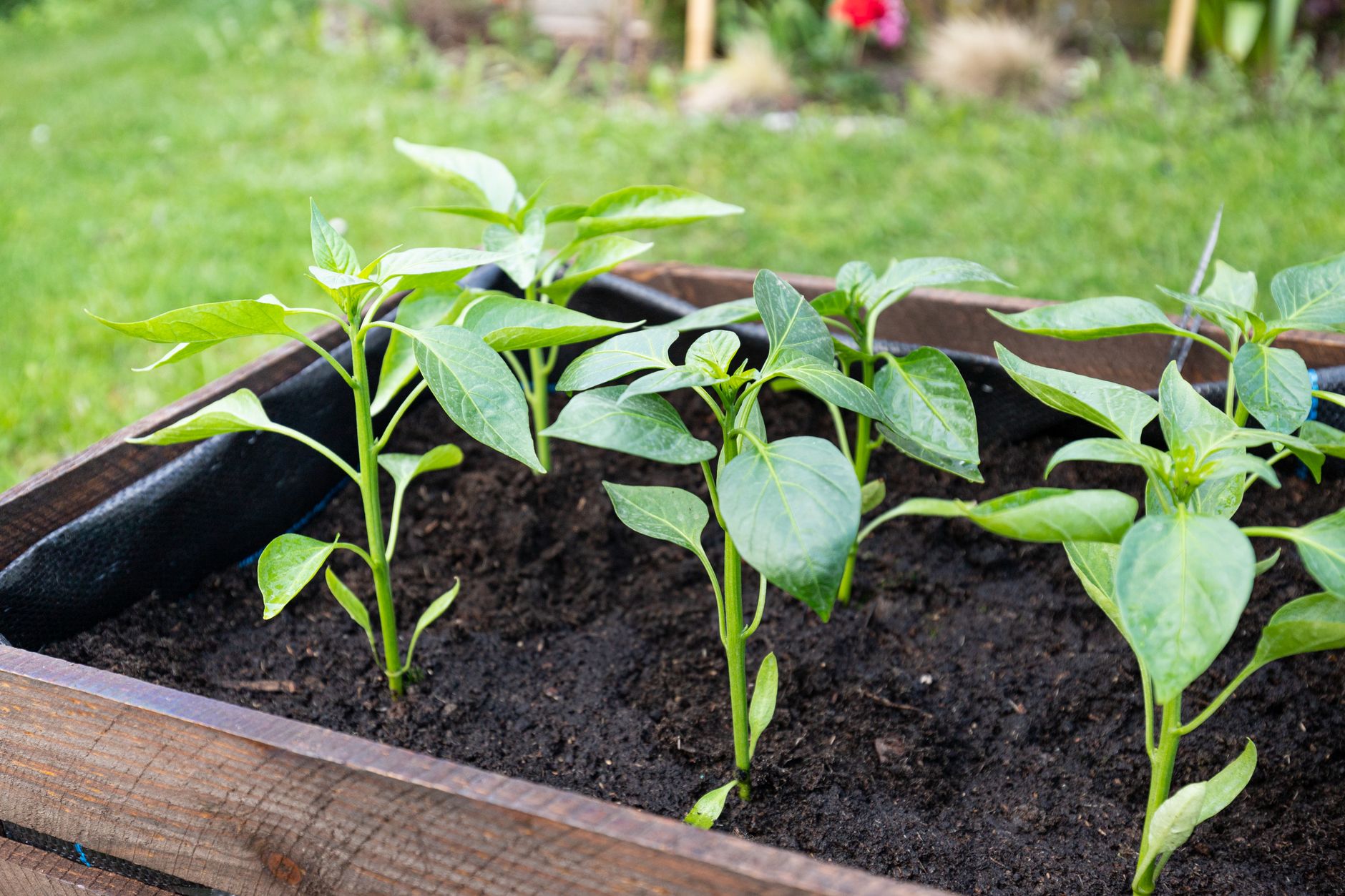
Why Peppers Does So Well with Companion Planting
Okay, so you want to grow peppers but think you don't have the space? Think again, my friend. I've been doing this urban gardening thing for over a decade now, from a tiny Chicago balcony to a sunny Brooklyn fire escape, and let me tell you, pepper hanging basket companion planting is kind of my jam. It's not just about saving space; it's about creating a mini ecosystem where everyone helps each other out. It's like a tiny, perfect, edible neighborhood right outside your window.
Peppers, bless their hearts, aren't the most aggressive growers. They appreciate a little TLC, and they absolutely thrive with the right neighbors. We're talking improved flavor, fewer pests, and sometimes, even better yields. It's a win-win-win. I mean, who doesn't want that? I've seen it time and again – a lonely pepper plant struggles, but put a few friendly herbs nearby, and suddenly, it's a superstar. It's not magic, it's just really smart gardening.
Last spring, I decided to push the limits in my tiny Portland apartment. I had this gorgeous south-facing window, and I really wanted to grow some bell peppers that year. Instead of just sticking them in a pot and hoping for the best, I thought, "Let's do this right." I grabbed a big hanging basket, some pepper seedlings, and a few companion plants. The difference between that basket and the one I'd half-heartedly tossed together the year before was night and day. More fruit, fewer aphids, and honestly, the peppers just tasted better. It wasn't just my imagination; the science is there, too. Sometimes you just gotta trust your gut (and your taste buds!).
What You'll Actually Need
Alright, let's get down to the nitty-gritty. You don't need a ton of fancy gear, but a few key things will make all the difference for your pepper hanging basket companion planting adventure.
Container: The Hanging Basket
- Size Matters: Don't skimp here. For peppers, you want at least a 12-inch diameter basket, preferably 14-16 inches. Anything smaller, and your pepper roots will get cramped, and your companion plants won't have room to breathe. I usually go for coir-lined baskets because they drain well, but if you're using a plastic one, make sure it has plenty of drainage holes. No one likes soggy roots.
- Soil: This is crucial. I swear by FoxFarm Ocean Forest for starting mixes. It's got everything peppers love – good drainage, nutrients, the works. If you can't find that, any high-quality potting mix designed for containers will do. Mix in a handful of slow-release organic fertilizer at the start, and you're golden.
System: Companion Planting
This is where the magic happens. For peppers, you're looking for buddies that won't compete for nutrients or light, and ideally, will offer some protection or boost. My top picks for a hanging basket:
- Basil: Oh my goodness, basil! It's like the ultimate pepper hype-man. Not only does it repel thrips and spider mites (two common pepper pests), but many gardeners (and I agree) swear it makes peppers taste better. Plus, you get fresh basil right there! I've written about companion planting tomatoes and basil in one pot, and the same principles apply here.
- Marigolds (French and African): These are like the bouncers of the plant world. They deter nematodes and other soil pests. Plus, their cheerful colors look fantastic spilling over the edges of a basket.
- Chives/Onions: These guys are fantastic for deterring aphids. Just a small bunch planted around the base can make a huge difference.
- Oregano: Another herb that just *gets* peppers. It's low-growing, doesn't mind a little neglect, and its essential oils are thought to help repel some common garden pests. Check out my specific thoughts on companion planting peppers and oregano improved flavor.
The Growing Process, Step by Step
Alright, let's break this down into a rough timeline. Remember, nature isn't a clock, so these are guidelines, not commandments. We're aiming for a 10-12 week seed-to-harvest, which means starting with good seedlings is key for peppers, especially in hanging baskets.
Weeks 1-3: Seed Starting & Settling In
I usually kick off my pepper seeds indoors right around late February or early March here in Portland. Peppers are slow, y'all. They need a head start. Use a seed-starting mix in small cells or biodegradable pots. Keep them warm (75-80°F is ideal for germination) and under strong grow lights. Last March, my first batch of pepper seeds in a hanging basket setup got super leggy because I skimped on the grow light. Lesson learned: invest in good light! Once they've got a couple sets of true leaves, they're ready for their new home.
- Choose Your Basket Base: Line your hanging basket if necessary. Fill it with your high-quality potting mix, leaving about an inch or two from the rim.
- Planting the Peppers: Gently transfer your pepper seedling(s) to the center of the basket. For a 12-14 inch basket, one large pepper plant (like a bell pepper) is usually sufficient. If you're going for smaller, prolific varieties like 'Lunchbox' or 'Shishito', you might squeeze in two, but be mindful of crowding.
- Add Companion Plants: Now, strategically place your companion plant seedlings around the pepper. For a 14-inch basket, I'd usually go with 2-3 basil plants, 1-2 small marigolds, and maybe a chive clump. Give them a good watering.
- Initial Care: Keep your basket in a sheltered, warm spot (above 60°F) for the first week or so while everyone gets acquainted. Water regularly, but don't drown them. Stick your finger in the soil; if it feels dry up to your first knuckle, it's time to water.
Weeks 4-7: Growth Spurt & Pinching
This is where your plants really start to stretch their legs. You should see noticeable growth almost daily.
- Light & Location: Move your hanging basket to its final sunny location. Peppers are sun worshippers – they need at least 6-8 hours of direct sunlight. If you're urban, this often means a south or west-facing spot.
- Watering: As the plants grow, they'll drink more. Check daily, especially on hot, windy days. Hanging baskets dry out faster than ground beds.
- Pinching & Pruning: This is a big one for bushier pepper plants. Once your pepper is about 6-8 inches tall and has a few sets of leaves, pinch off the very top growth tip. This encourages branching and will lead to more peppers. Do the same for your basil if it starts getting leggy. Don't be scared! It seems counter-intuitive to remove leaves, but trust me, it works.
- Fertilize (Lightly): If you didn't add slow-release, start a liquid feed now. Something balanced, like a 5-5-5 or 10-10-10, at half strength every two weeks.
Weeks 8-10: Flowering & Fruit Set
Exciting times! You'll start to see little buds forming on your pepper plants, and soon, delicate white flowers.
- Pollination: In a hanging basket, especially if it's sheltered, sometimes natural pollination isn't as robust. Give your pepper plant a gentle shake daily when it's flowering. This helps release pollen and encourages fruit set. You can also use a small paintbrush to gently transfer pollen between flowers.
- Pest Patrol: Keep an eye out for aphids or other pests. Your companion plants should be doing a lot of the heavy lifting, but sometimes the bad guys still show up. I'm a big fan of neem oil spray applied in the evening if I see any unwelcome guests.
- Support: Some pepper varieties, especially once they start producing, can get a bit top-heavy. You might need to gently stake an individual stem or use an unobtrusive plant clip to secure it to the side of the basket or another stem.
Weeks 11-12: The Harvest Begins!
This is what we've been working for! Your peppers should be sizing up and starting to change color.
Mistakes I've Made (So You Don't Have To)
Look, I'm not perfect. Nobody is. I've killed my fair share of plants. Probably more than my fair share. My first few attempts at growing peppers in hanging baskets were, shall we say, "learning opportunities."
- Overwatering in the Beginning: I had this fear of root rot, so I'd drench the soil. Turns out, baby pepper plants are super susceptible to dampening off if they're too wet. My soil felt like a sponge, and suddenly, my seedlings flopped. Now, I always err on the side of slightly dry and check before watering.
- Ignoring Drainage: Once, I got a cute decorative hanging basket for a gift, and it had no drainage holes. None! I thought, "Oh, I'll just be careful." Nope. Within a week, my beautiful pepper plant was yellowing and eventually died. Don't be me. Drainage is non-negotiable.
- Too Many Plants: I'm an optimist, to a fault. I'd jam three pepper plants and five herbs into a 12-inch basket, thinking "more is more!" It's not. They competed for everything – water, nutrients, light – and ended up stunted, sad, and barely producing. Now, I focus on quality over quantity for my companion planting in small spaces, and it's so much better.
Little Things That Make a Big Difference
These aren't dealbreakers, but they can give you that extra edge.
- Mulch, Even in a Basket: A thin layer of straw or even dried leaves on top of your soil can help retain moisture and regulate soil temperature. Especially useful if your basket is out in full sun.
- Rotate Your Basket: If one side of your basket is getting more sun, give it a quarter turn every few days to encourage even growth.
- Talk to Your Plants: I know, I know, it sounds a little nutty. But honestly, spending a few minutes with your plants daily checking for pests, admiring new growth, and just generally connecting, makes you a more observant gardener. And an observant gardener is a successful gardener.
- Consult Local Experts: I usually check my local university extension, like Cornell Cooperative Extension, for specific advice on varieties suited for my climate or common regional pests. The USDA Plant Hardiness Zone Map (planthardiness.ars.usda.gov) is also your friend for knowing when to start seeds based on your frost dates.
When to Harvest and What to Expect
This is the fun part! Most pepper varieties are ready for harvest 70-90 days after transplanting (so, right around that 10-12 week mark from when you planted seedlings in your basket). You can harvest bell peppers when they're green, but if you let them mature to red, orange, or yellow, they'll be sweeter and more nutrient-dense.
For hot peppers, the general rule is to let them turn their mature color for maximum heat and flavor. They'll smell amazing, like a summer afternoon. Use a sharp knife or pruning shears to snip the stem just above the pepper. Don't pull them off, or you might damage the plant. The more you harvest, the more the plant will produce, so keep those snips handy!
With good pepper hanging basket companion planting, you can expect a steady supply of fresh peppers, basil, and whatever other herbs you've tucked in there, all summer long. And if you end up with too many peppers, well, I've got a fantastic guide on drying peppers for paprika for a year's supply that you're going to love. Happy growing!
Keep exploring related guides
Follow the topic cluster below to discover more growing methods, troubleshooting advice, and crop-specific tutorials.