Traditional
Natural Pest Control with Beneficial Insects: Chemical-Free Garden Protection
Learn natural pest control using beneficial insects. Attract predators and parasites for chemical-free garden protection and healthier vegetables.
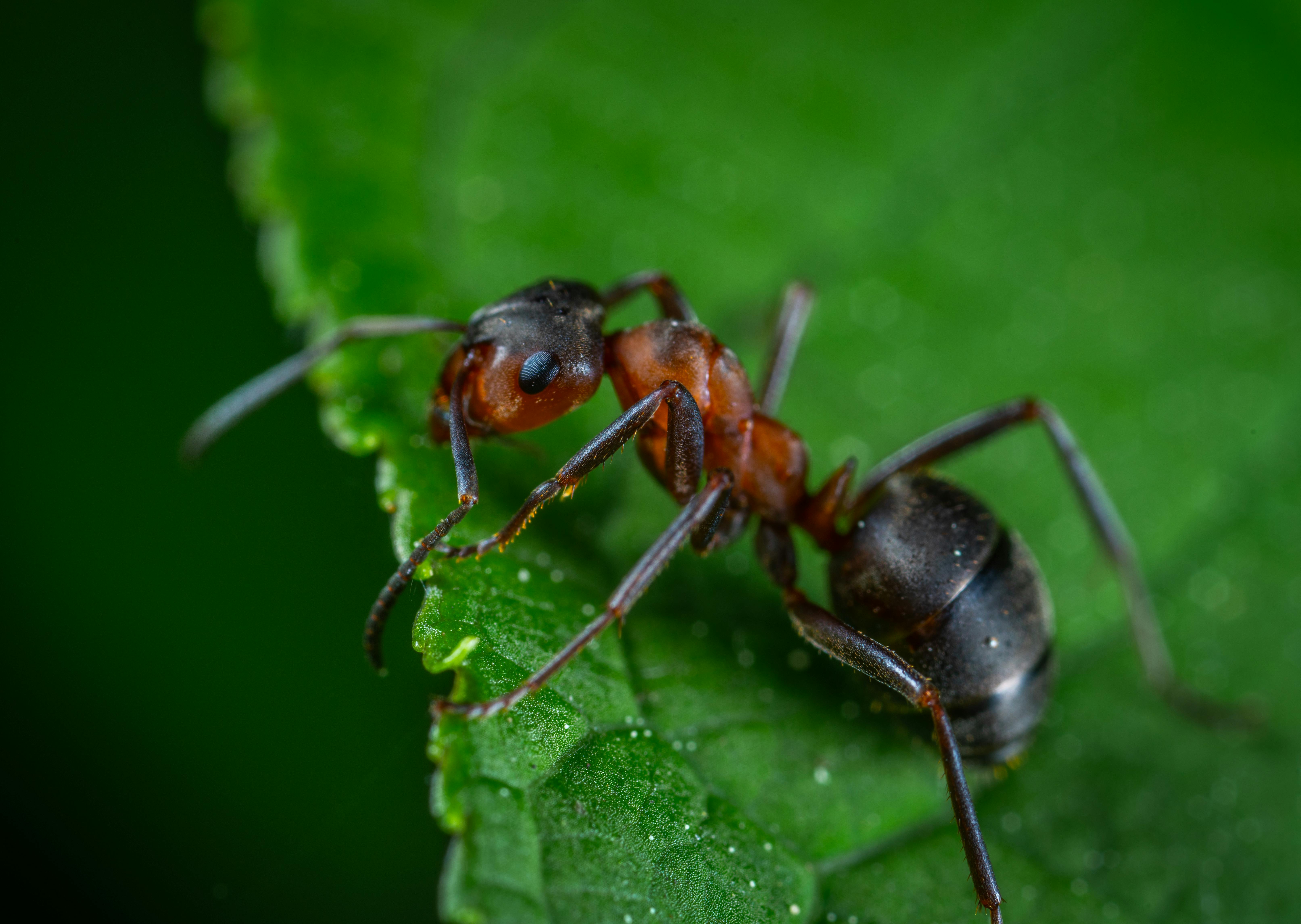
Natural pest control using beneficial insects is the foundation of organic gardening. By creating an ecosystem where predatory and parasitic insects thrive, you can manage pest problems without synthetic chemicals while building a healthier, more resilient garden.
Understanding Biological Pest Control
Biological pest control relies on natural predator-prey relationships. When you support beneficial insect populations, they keep pest numbers below damaging levels. This approach is sustainable, safe, and often more effective than chemical treatments.
Key Beneficial Insects for Pest Control
Predatory Insects
- Ladybugs: Target aphids, mites, and scale insects
- Lacewings: Consume aphids, thrips, whiteflies, and small caterpillars
- Praying Mantis: Eat a wide variety of insects including pest moths
- Ground Beetles: Hunt slugs, snails, and soil-dwelling pests
Parasitic Insects
- Braconid Wasps: Parasitize tomato hornworms and cabbage worms
- Trichogramma Wasps: Target moth and butterfly eggs
- Tachinid Flies: Parasitize caterpillars, beetles, and bugs
Building a Beneficial Insect Population
Create habitat by planting diverse flowering plants throughout your garden. Learn which plants attract specific beneficial insects and incorporate them into your companion planting strategy.
Integrated Pest Management
Even with beneficial insects, some intervention may be needed. Use targeted, least-toxic approaches:
- Hand-pick large pests like hornworms
- Use row covers to exclude pests
- Apply organic treatments like neem only when necessary
- Maintain healthy soil for strong, pest-resistant plants through proper soil health practices
Creating the Complete Ecosystem
Natural pest control works best in a balanced garden ecosystem. Combine beneficial insect habitat with proper mulching to provide shelter, and use water conservation techniques that also provide drinking sources for your garden allies.
Keep exploring related guides
Follow the topic cluster below to discover more growing methods, troubleshooting advice, and crop-specific tutorials.