Traditional
Late Summer Planting for Fall Harvest: Extend Your Growing Season
Learn late summer planting for fall harvest. Discover timing, best crops, and techniques to keep your vegetable garden productive into autumn.
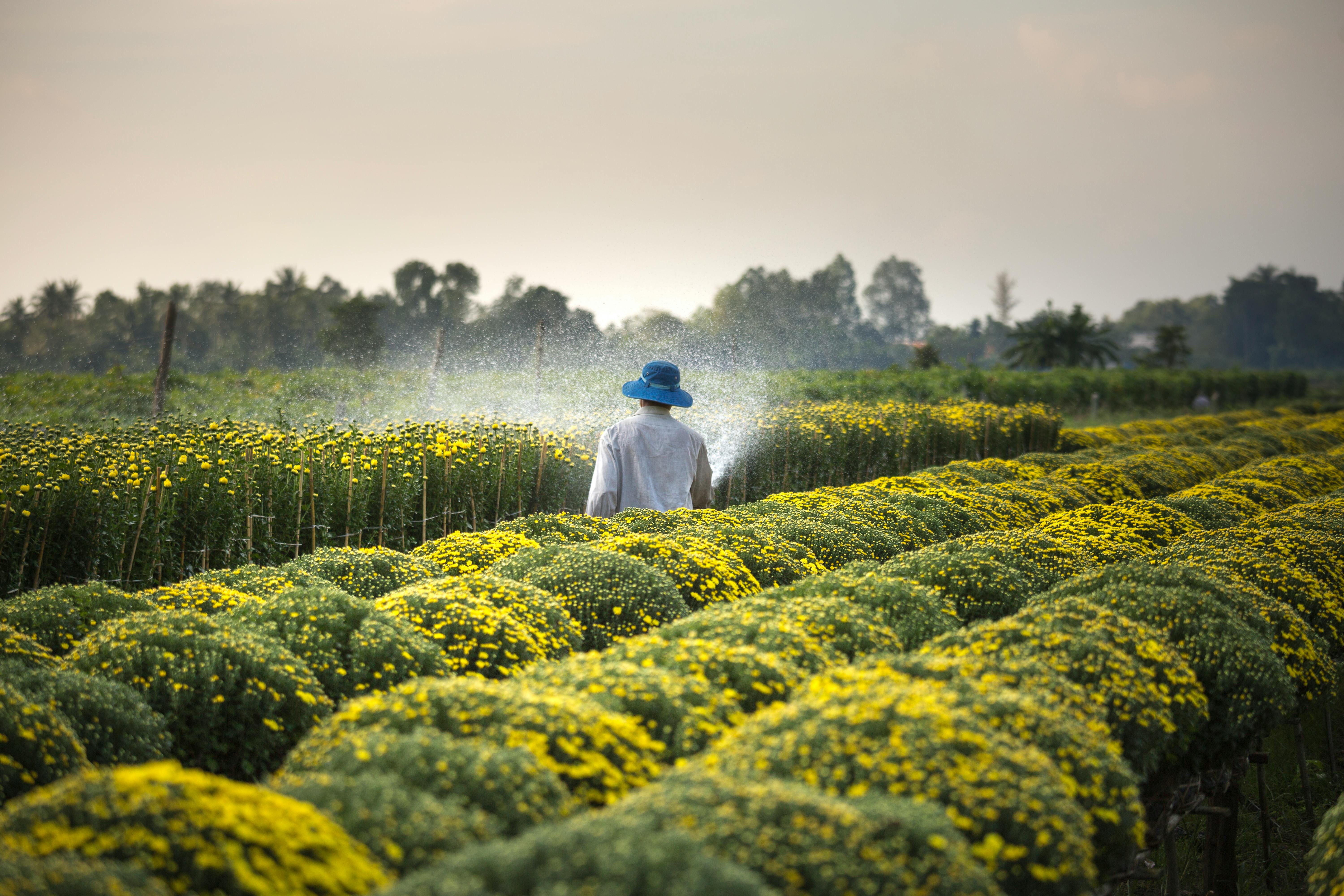
Late summer planting is your second chance for a bountiful harvest. As spring crops finish, replant with fast-maturing and cold-tolerant vegetables that thrive in the cooling temperatures of fall.
Calculating Planting Dates
Count backward from your first expected fall frost to determine planting windows. Add 2 weeks to the "days to maturity" listed on seed packets to account for shorter fall days. Most fall crops need planting by mid-August in northern zones.
Best Crops for Fall Harvest
Quick-Maturing Crops
- Lettuce: 45-60 days, plant through September
- Radishes: 25-30 days, plant through October
- Spinach: 40-50 days, plant through September
- Bush beans: 50-60 days, plant by early August
Cold-Hardy Crops
- Kale: Improves flavor after frost, harvest into winter
- Brussels sprouts: Need 90-100 days but tolerate hard frost
- Carrots: Can be mulched and harvested through winter
Preparing for Fall Planting
Clear spent summer crops and refresh garden soil with compost. Apply mulch to retain moisture and moderate soil temperatures during late summer heat.
Extending the Harvest
Use row covers, cold frames, and mulch to extend your harvest season well past first frost. Many crops taste better after cold exposure.
Succession Planting Strategy
Combine succession planting with fall gardening for continuous harvests from spring through late fall.
Keep exploring related guides
Follow the topic cluster below to discover more growing methods, troubleshooting advice, and crop-specific tutorials.