Traditional
Early Spring Planting: Cold-Hardy Vegetables to Start First
Plant cold-hardy vegetables in early spring for the earliest harvests. Learn about peas, leafy greens, and brassicas that thrive in cool weather.
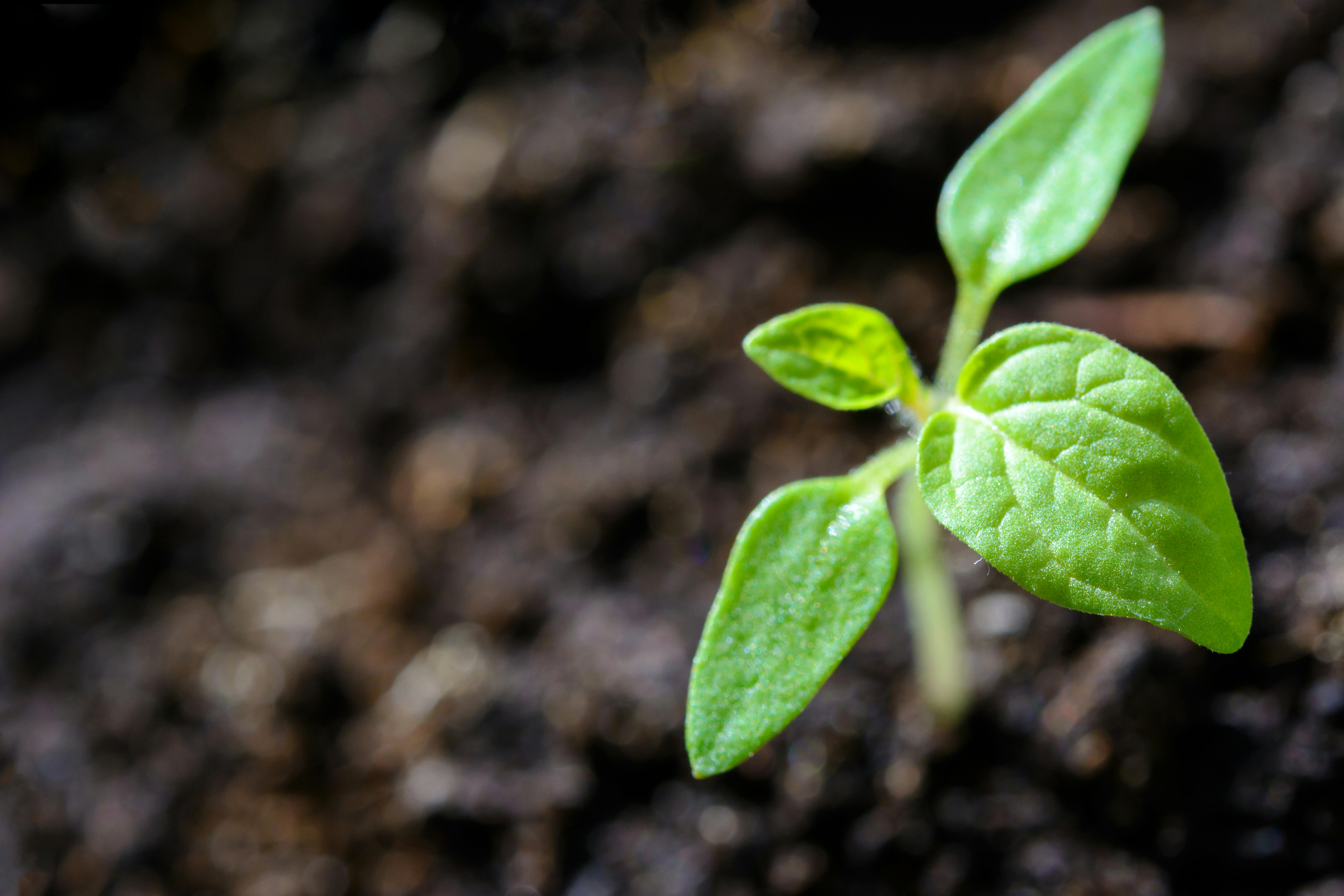
Early spring planting lets you get a jump on the growing season with cold-hardy vegetables that thrive in cool weather. While warm-season crops wait for frost-free days, these tough plants are already producing fresh food for your table.
When to Start Early Planting
Begin planting cold-hardy crops 4-6 weeks before your last expected frost date, or as soon as the soil can be worked. Use your soil test results from fall to guide any last-minute amendments.
Best Cold-Hardy Vegetables
Leafy Greens
Spinach, lettuce, arugula, and kale tolerate light frosts and actually taste sweeter after cold exposure. Direct sow seeds or transplant starts for earliest harvests.
Peas
Plant peas as soon as soil reaches 40°F. They prefer cool weather and stop producing when temperatures rise. Install trellises at planting time.
Root Vegetables
Carrots, radishes, turnips, and beets can be sown early. Radishes mature in just 25-30 days, providing quick harvests while slower crops develop.
Brassicas
Broccoli, cabbage, cauliflower, and Brussels sprouts transplants can go out 4-6 weeks before last frost. Start seeds indoors 6-8 weeks earlier.
Protecting Early Plantings
Use row covers, cold frames, or cloches to protect plants from late frosts and extend your harvest window. These also keep early pests away. Learn more about extending your growing season.
Preparing Soil in Early Spring
Ensure your soil is healthy and ready for planting. Add compost if you didn't in fall. Avoid working wet soil which damages structure.
Keep exploring related guides
Follow the topic cluster below to discover more growing methods, troubleshooting advice, and crop-specific tutorials.