Container
Container Gardening for Beginners: Growing Food in Pots
Start container gardening with this beginner guide. Learn which vegetables grow best in pots, container selection, soil, watering, and fertilizing tips.
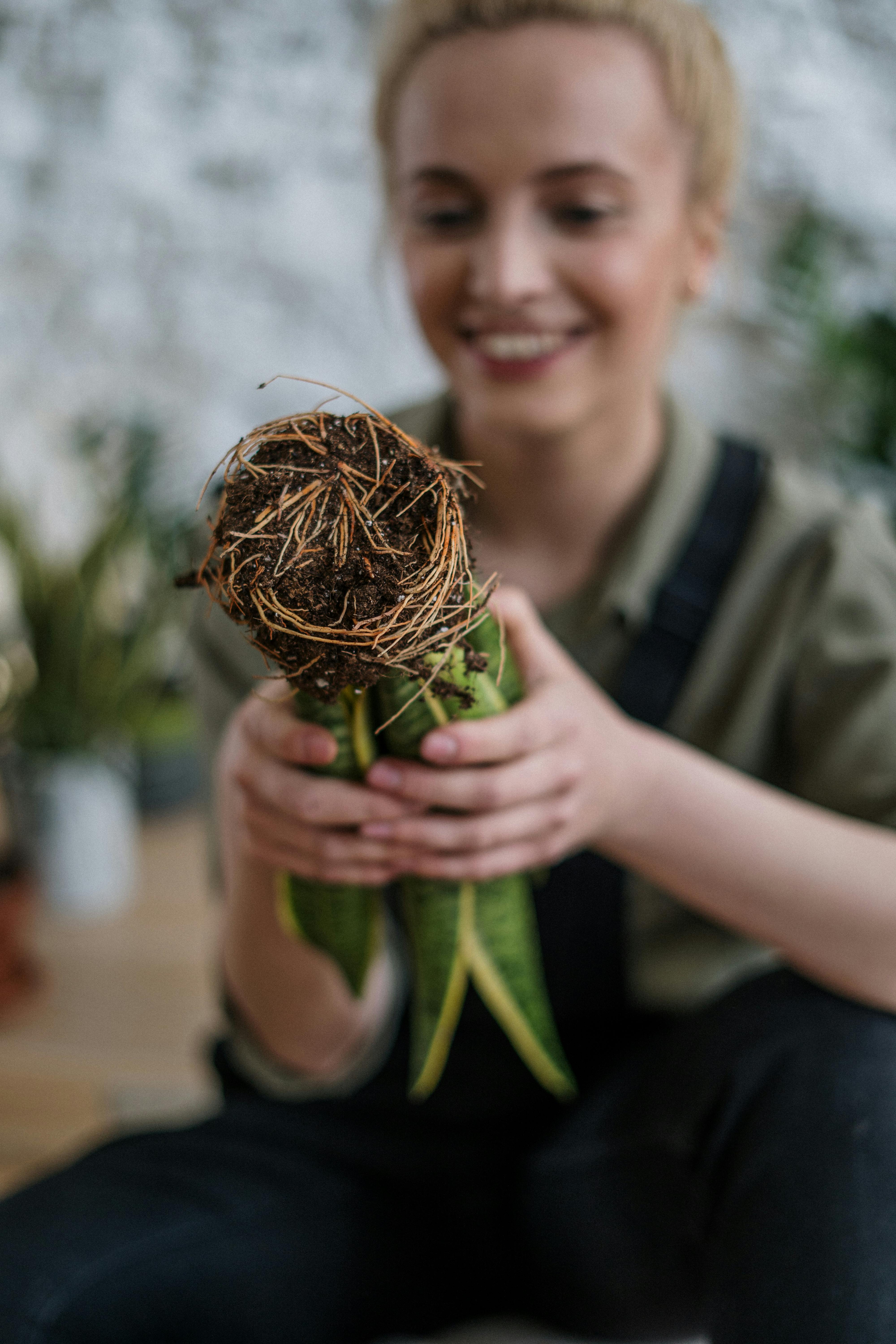
Container gardening makes growing your own food possible regardless of space limitations. Whether you have a small balcony, patio, or just a sunny windowsill, you can grow fresh vegetables, herbs, and even fruits in containers.
Benefits of Container Gardening
Containers offer flexibility to move plants for optimal sun exposure, protect them from pests, and garden without access to ground soil. They are ideal for renters, apartment dwellers, and anyone with limited outdoor space.
Choosing the Right Containers
Select containers at least 12 inches deep for most vegetables. Ensure adequate drainage holes. Terra cotta breathes well but dries quickly; plastic retains moisture longer. Fabric grow bags provide excellent aeration and drainage.
Best Vegetables for Containers
Tomatoes, peppers, lettuce, spinach, herbs, beans, and compact varieties of squash and cucumbers thrive in containers. Look for bush or dwarf varieties bred specifically for container growing.
Potting Mix Essentials
Never use garden soil in containers—it compacts and drains poorly. Use quality potting mix designed for containers, which contains peat moss, perlite, and vermiculite for proper drainage and aeration.
Watering Container Plants
Containers dry out faster than ground soil. Check moisture daily by inserting your finger 2 inches into the soil. Water thoroughly until it drains from the bottom. Consider self-watering containers for vacation-proof growing.
Fertilizing in Containers
Container plants need regular feeding since nutrients wash out with watering. Use slow-release fertilizer at planting and supplement with liquid fertilizer every 2-3 weeks during the growing season.
Explore our guides on summer garden maintenance and water conservation techniques for more tips.
Keep exploring related guides
Follow the topic cluster below to discover more growing methods, troubleshooting advice, and crop-specific tutorials.