Container
Best Vegetables to Grow in Containers for Small Spaces
Discover the best vegetables for container gardening in small spaces. Learn which crops thrive in pots, optimal container sizes, and expert tips for maximum harvests on balconies and patios.
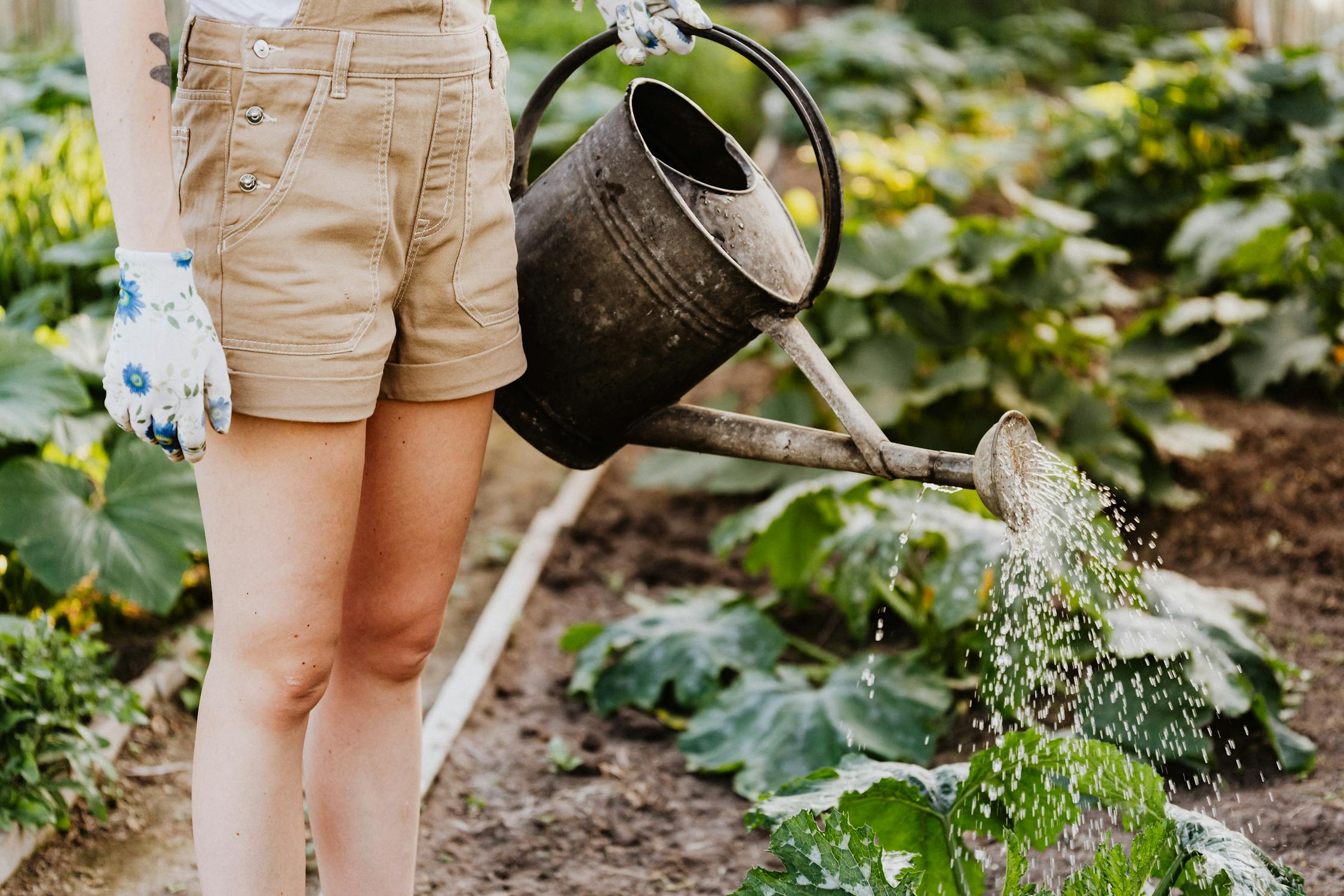
Container gardening opens up vegetable growing to anyone with a sunny spot—whether you have a small balcony, patio, or just a windowsill. With the right vegetable choices and container sizes, you can harvest fresh produce all season long without a traditional garden bed.
Why Container Vegetable Gardening Works
Container gardening offers distinct advantages for urban and small-space growers:
- Complete soil control: Start with quality potting mix free of weeds and disease
- Mobility: Move plants to follow sunlight or protect from extreme weather
- Pest management: Elevated containers deter many ground-dwelling pests
- Extended season: Bring containers indoors during frost threats
- Accessibility: Raised containers reduce bending and kneeling
Top Vegetables for Container Growing
Tomatoes
The most popular container vegetable, tomatoes thrive in pots when given proper support and consistent water. Choose determinate varieties like 'Patio Princess' or 'Bush Early Girl' that stay compact. Cherry tomatoes are especially productive—one plant can yield 100+ fruits.
Container size: Minimum 5 gallons (19L), ideally 10+ gallons for indeterminate varieties
Key tips: Stake or cage plants, water deeply when top inch of soil is dry, fertilize every 2-3 weeks with balanced fertilizer
Peppers
Both sweet and hot peppers adapt beautifully to containers. Their compact growth habit and ornamental appeal make them perfect for patios. Varieties like 'Bell Boy,' 'Cayenne,' and 'Shishito' are excellent choices.
Container size: 3-5 gallons per plant
Key tips: Peppers love heat—wait until soil warms to plant; avoid overwatering which causes blossom drop
Lettuce and Salad Greens
Fast-growing and shallow-rooted, lettuce is ideal for containers. Harvest outer leaves continuously for months of fresh salads. Mix varieties for color and texture—'Red Sails,' 'Buttercrunch,' and 'Oak Leaf' grow well together.
Container size: 6-8 inches deep, any width
Key tips: Provide afternoon shade in summer to prevent bolting; succession plant every 2-3 weeks
Herbs
Most culinary herbs thrive in containers and conveniently grow near the kitchen. Basil, parsley, cilantro, chives, and thyme are excellent starter herbs. Mediterranean herbs like rosemary and oregano need excellent drainage.
Container size: 6-12 inches depending on herb
Key tips: Group herbs with similar water needs; harvest regularly to promote bushy growth
Bush Beans
Bush bean varieties produce abundantly in containers without needing trellising. 'Provider' and 'Contender' are reliable producers. Plant 4-6 seeds per 5-gallon container for continuous harvests.
Container size: 5+ gallons, at least 8 inches deep
Key tips: Beans fix nitrogen so need less fertilizer; harvest frequently to encourage more pods
Radishes
The fastest vegetable from seed to harvest, radishes mature in just 25-30 days. Their shallow roots fit any container. Try 'Cherry Belle' or 'French Breakfast' for beginners.
Container size: 4-6 inches deep, any width
Key tips: Sow seeds directly; thin seedlings to 2 inches apart; keep soil consistently moist
Summer Squash
Compact varieties like 'Patio Star' zucchini and 'Goldbar' yellow squash produce well in large containers. One plant yields 6-10 squash over the season.
Container size: 10+ gallons
Key tips: Hand-pollinate flowers if pollinators are scarce; harvest when 6-8 inches for best flavor
Choosing the Right Containers
Material Considerations
- Plastic: Lightweight, affordable, retains moisture well—best for most vegetables
- Terra cotta: Beautiful but dries quickly; requires more frequent watering
- Fabric grow bags: Excellent drainage and air pruning; fold flat for storage
- Self-watering containers: Built-in reservoirs reduce watering frequency—ideal for tomatoes
- Recycled containers: Food-safe buckets, wooden crates, and repurposed items work well with drainage holes
Size Guidelines
Container depth matters more than width for most vegetables:
- Shallow (4-6 inches): Lettuce, radishes, green onions, herbs
- Medium (8-10 inches): Bush beans, peppers, chard, kale
- Deep (12+ inches): Tomatoes, squash, potatoes, eggplant
Essential Container Growing Tips
Soil Selection
Never use garden soil in containers—it compacts and drains poorly. Use quality potting mix designed for containers, or make your own: 40% peat or coco coir, 40% compost, 20% perlite. Pre-mixed vegetable container soils contain slow-release fertilizer.
Watering Strategy
Containers dry faster than ground beds, especially in summer heat. Check moisture daily by inserting your finger 1-2 inches into soil. Water until it drains from the bottom. Morning watering reduces disease risk. Consider drip irrigation or self-watering systems for consistent moisture.
Fertilizing Schedule
Container plants need more frequent feeding since nutrients wash out with watering. Options include:
- Slow-release granules mixed into soil at planting
- Liquid fertilizer every 1-2 weeks during active growth
- Compost tea as a gentle, organic boost
Sunlight Requirements
Most vegetables need 6-8 hours of direct sunlight. Track sun patterns on your space before planting. South-facing locations get maximum light. Use reflective surfaces or white walls to increase light exposure in shaded spots.
Maximizing Small Space Yields
Vertical Growing
Train vining crops up trellises or stakes to save horizontal space. Pole beans, cucumbers, and small-fruited tomatoes grow vertically with support.
Succession Planting
Replant quick-maturing crops like lettuce and radishes every 2-3 weeks for continuous harvests. Replace spent spring crops with summer varieties.
Interplanting
Combine deep-rooted and shallow-rooted plants in the same container. Plant lettuce around tomato stems, or radishes between pepper plants.
Common Container Gardening Mistakes
- Containers too small: Undersized pots stress plants and require constant watering
- Poor drainage: Always ensure drainage holes; elevate pots slightly off surfaces
- Inconsistent watering: Fluctuating moisture causes blossom end rot, cracking, and reduced yields
- Overcrowding: Give each plant adequate space for air circulation and root growth
- Ignoring weight: Wet soil is heavy—ensure balconies and structures can support container weight
Container vegetable gardening proves that limited space doesn't limit your fresh food options. Start with a few easy crops, learn your specific growing conditions, and expand your container garden each season.
Keep exploring related guides
Follow the topic cluster below to discover more growing methods, troubleshooting advice, and crop-specific tutorials.