Traditional
Beneficial Insects for Your Garden: Natural Pest Control Heroes
Learn about beneficial insects that provide natural pest control. Attract ladybugs, lacewings, and parasitic wasps to protect your vegetable garden organically.
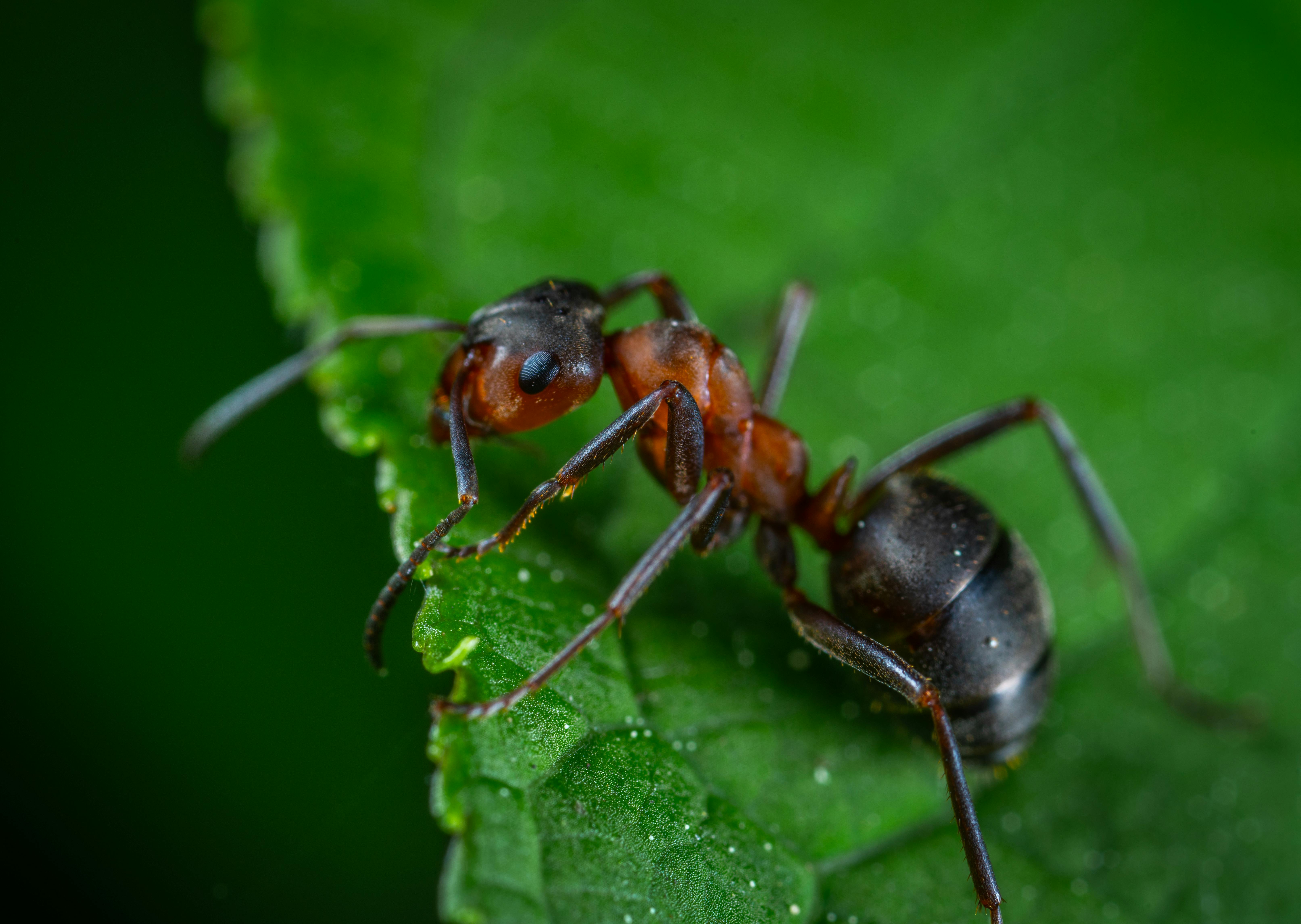
Beneficial insects are nature's pest control experts. By attracting and supporting these garden allies, you can dramatically reduce pest problems without reaching for pesticides. Understanding which insects help your garden is the first step to working with nature rather than against it.
Top Beneficial Insects to Attract
Ladybugs (Lady Beetles)
A single ladybug can eat up to 5,000 aphids in its lifetime. Both adults and larvae are voracious predators of soft-bodied pests including aphids, mites, and scale insects.
Lacewings
Known as "aphid lions," lacewing larvae consume aphids, thrips, whiteflies, and small caterpillars. Adults feed on nectar and pollen, so flowering plants attract them to your garden.
Ground Beetles
These nocturnal hunters patrol your garden at night, eating slugs, snails, cutworms, and other soil-dwelling pests. Provide mulch and ground cover for daytime hiding spots.
Parasitic Wasps
Tiny and non-stinging, parasitic wasps lay their eggs inside pest insects. The developing larvae consume the host, providing excellent control of caterpillars, aphids, and whiteflies.
Creating Habitat for Beneficials
Beneficial insects need food, water, and shelter year-round. Plant a diversity of flowering plants to provide nectar and pollen. Include plants from the carrot family (dill, fennel, cilantro) and daisy family (yarrow, coneflowers) which are particularly attractive to beneficial insects.
Companion planting strategies can maximize beneficial insect populations. Learn more about companion planting to create the ideal environment for your garden helpers.
Avoiding Harm to Beneficials
Broad-spectrum pesticides kill beneficial insects along with pests. If intervention is necessary, use targeted approaches and apply in the evening when beneficials are less active. Building healthy soil also supports beneficial insects—explore soil health practices for a thriving garden ecosystem.
The Soil Connection
Many beneficial insects spend part of their life cycle in the soil. Building healthy garden soil with good organic matter supports ground beetles, parasitic wasp pupae, and other soil-dwelling beneficials. Combine this with smart crop rotation to maintain balanced insect populations.
Keep exploring related guides
Follow the topic cluster below to discover more growing methods, troubleshooting advice, and crop-specific tutorials.