winter sowing
Winter Sowing Seeds in Milk Jugs
Learn the winter sowing method using recycled milk jugs as mini greenhouses. Start seeds outdoors in winter for strong, cold-hardy transplants without grow lights.
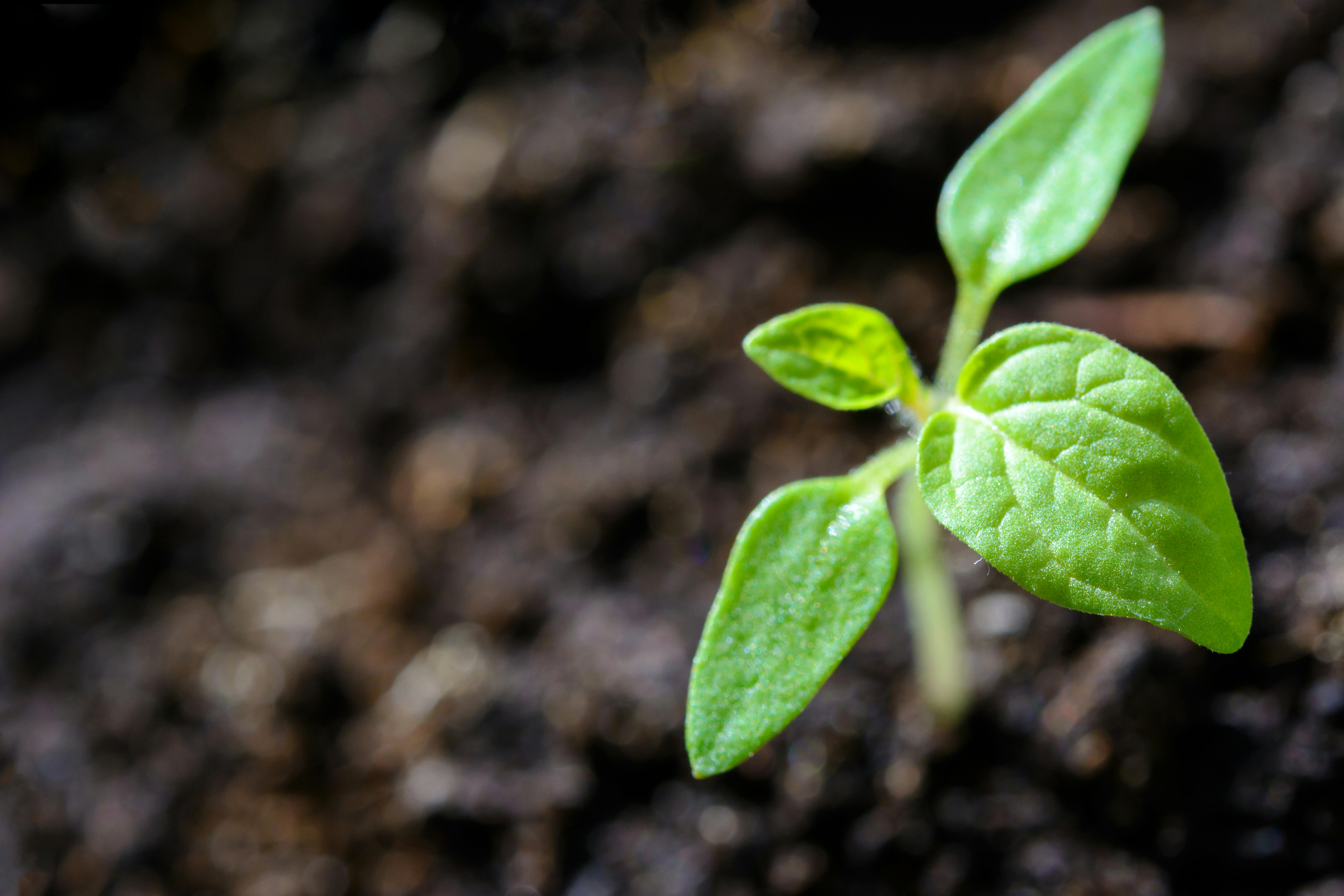
Winter sowing offers a brilliantly simple seed-starting method that harnesses natural temperature cycles, producing robust transplants without grow lights, heating mats, or intensive indoor care.
The Winter Sowing Concept
Instead of coddling seeds indoors, winter sowing places them outside in protected containers where they experience natural freeze-thaw cycles that break dormancy and trigger germination when conditions become favorable.
Natural Stratification
Many seeds require cold treatment before germinating. Winter sowing provides this naturally, eliminating the need for refrigerator stratification or precise temperature control.
Strong Seedling Development
Seedlings emerging in fluctuating outdoor conditions develop into stockier, more cold-tolerant plants than indoor-raised counterparts. Natural light produces compact growth impossible under artificial lighting.
Container Selection and Preparation
Milk jugs make ideal winter sowing containers, but many alternatives work well.
Milk Jug Preparation
Cut gallon jugs horizontally around the middle, leaving the handle side attached as a hinge. Punch drainage holes in the bottom. Remove caps to allow air exchange and prevent overheating.
Alternative Containers
Clear plastic clamshell containers, 2-liter bottles, deli containers, and rotisserie chicken containers all work. Any transparent container with drainage creates an effective mini greenhouse.
Container Requirements
Containers need transparency for light, drainage holes to prevent waterlogging, ventilation openings to prevent overheating, and enough depth for root development (3-4 inches minimum).
Timing Your Sowing
Winter sowing timing varies by seed type and climate.
Hardy Perennials and Natives
Sow these first, often in December or January. They need extended cold exposure and germinate earliest. Many native wildflowers excel with winter sowing.
Cold-Tolerant Annuals
Bachelor buttons, poppies, larkspur, and sweet peas can go out in January or February. These seeds tolerate repeated freezing after sowing.
Semi-Hardy Vegetables
Brassicas, lettuce, and onions sow well in February or March. They need less cold exposure but benefit from cool germination conditions.
Soil and Sowing Technique
Proper preparation sets seeds up for successful germination.
Soil Mix Selection
Use regular potting mix moistened before filling containers. Avoid heavy garden soil that compacts. Fill containers 3-4 inches deep with mix.
Sowing Depth
Follow seed packet depth recommendations. Tiny seeds need surface sowing with light pressing. Larger seeds can be buried at appropriate depths.
Seed Spacing
Sow more densely than normal transplant production since outdoor attrition occurs. Plan to separate or pot up seedlings as they develop.
Container Placement
Where you place containers affects germination success and seedling vigor.
Light Exposure
Full sun locations work best once temperatures warm. Early winter placement in partial shade prevents premature warming that triggers too-early germination.
Protection from Elements
Place containers where heavy snow or ice cannot crush them. Protected north-facing locations work initially, moving to sunnier spots as spring approaches.
Stability
Secure lightweight containers against wind. Group containers together or place in shallow trays. Avoid locations where containers might blow over.
Winter and Spring Care
Winter sowing requires minimal but essential attention.
Winter Monitoring
Check containers occasionally for moisture. Winter precipitation usually provides adequate water. Add water only if soil appears completely dry.
Watching for Germination
Begin checking regularly as weather warms in late winter. Hardy seeds germinate surprisingly early, sometimes appearing through snow.
Ventilation Adjustments
As temperatures rise, enlarge ventilation openings or prop containers partially open. Prevent overheating that damages young seedlings.
Transplanting Seedlings
Winter-sown seedlings transition easily to garden conditions.
Hardening Off
Winter-sown seedlings require minimal hardening since they have grown outdoors from emergence. Simply open containers fully for a few days before transplanting.
Transplant Timing
Move seedlings to the garden when they reach appropriate size for their type. Winter-sown plants handle transplant stress well due to their naturally robust growth.
Separating Seedlings
Gently separate tangled root masses under water. Plant individual seedlings or small clumps. Their outdoor conditioning makes them tolerant of disturbance.
Best Seeds for Winter Sowing
Some seeds perform exceptionally well with this method.
Perennial Flowers
Echinacea, rudbeckia, milkweed, columbine, and native wildflowers germinate beautifully after natural cold treatment. Many would require artificial stratification otherwise.
Hardy Annuals
Sweet peas, bachelor buttons, calendula, larkspur, poppies, and snapdragons thrive with winter sowing. These cool-season flowers appreciate early starts.
Vegetables
Kale, collards, broccoli, cabbage, lettuce, onions, and leeks all winter sow successfully. Start these later than flowers for appropriate transplant timing.
Troubleshooting
Common issues have simple solutions.
No Germination
Some seeds need longer cold periods. Be patient through spring. Non-viable seeds or improper planting depth also cause failures.
Damping Off
Increase ventilation if seedlings collapse at soil level. Outdoor conditions usually prevent this problem, but poor drainage exacerbates risk.
Premature Germination
Very early germination during warm spells may be followed by killing cold. Some losses are normal. Sow extras to compensate.
Keep exploring related guides
Follow the topic cluster below to discover more growing methods, troubleshooting advice, and crop-specific tutorials.