Wicking Bed
Pest-Free Cucumbers: Wicking Bed Advantage in Raised Gardens
Learn how to wicking bed pest control cucumbers in your apartment. Step-by-step guide with expert tips.
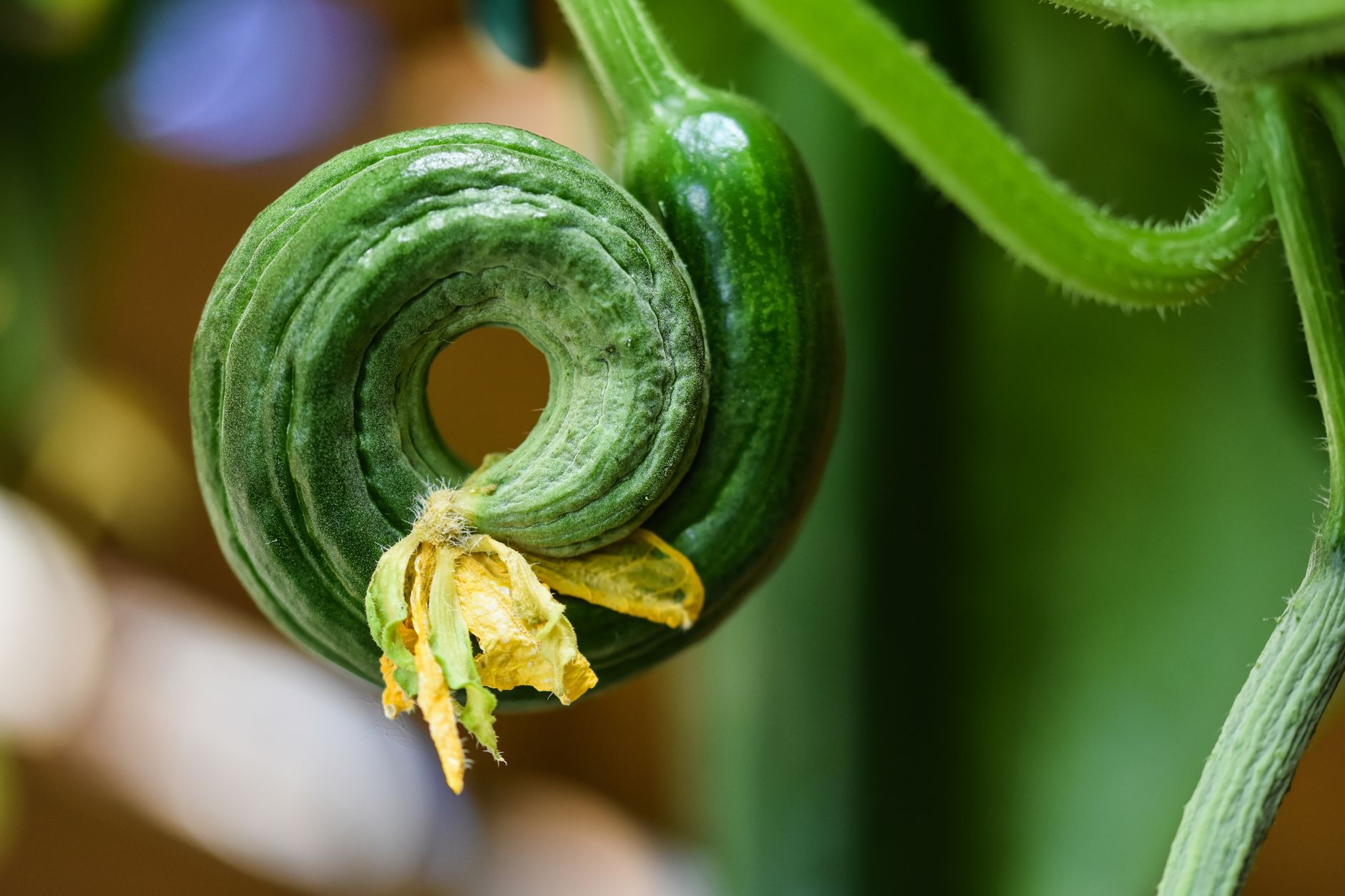
Pest-Free Cucumbers: Wicking Bed Advantage in Raised Gardens
Okay, so let's talk cucumbers. Specifically, how to grow them without battling every aphid and spider mite in a five-mile radius. Because seriously, what’s worse than eagerly checking on your cucumber plant only to find it looking like a battleground? I’m here to tell you that a wicking bed in a raised garden is, hands down, one of the best ways to get those crisp, green beauties with minimal fuss. And yeah, we're talking fantastic news for wicking bed pest control cucumbers are concerned. I mean, who wants to spray chemicals on something you're about to eat?
I’ve certainly had my share of cucumber calamities. Back in my early apartment gardening days in Chicago, before I fully embraced the wicking bed magic, I tried growing cukes directly in large fabric pots on my balcony. The bottom leaves yellowed, powdery mildew was a constant menace, and the spider mites had practically set up a five-star resort. It was demoralizing, to say the least. My friend, who was an absolute whiz with soil biology, kept telling me my watering habits were the problem – inconsistent, she said. Turns out, she was right. But a wicking bed? That’s like a built-in sous-chef for your watering, making everything so much simpler.
Why Cucumber Does So Well with Wicking Bed
Cucumbers are thirsty plants. Like, incredibly thirsty. They need consistent moisture to produce those plump, juicy fruits. Drought stress, even minor, turns them bitter and makes them way more susceptible to pests and diseases. Think about it: a stressed plant emits certain signals, kind of like a delicious (to pests!) scent. A happy, well-watered plant? Less appealing. That's where the wicking bed truly shines.
A wicking bed basically creates a self-watering system. There's a water reservoir at the bottom, and capillary action (the "wicking" part) pulls water up into the soil as the plant needs it. No more guessing if the top inch of soil is dry enough. No more boom-and-bust cycles of bone-dry soil followed by drowning. This consistent moisture leads to stronger, healthier plants. And healthier plants? They're naturally more resistant to pests and diseases. It’s a pretty elegant solution, honestly. You're giving the plant exactly what it needs, when it needs it, from the root zone up. This also means less splashing of water onto leaves, which drastically reduces fungal issues like powdery mildew – a common cucumber enemy. So you're not just getting better hydration; you're also significantly improving wicking bed pest control cucumbers method offers.
What You'll Actually Need
Let's get down to business. If you're going for this setup, which I highly recommend, here's what you'll need.
Container: A Raised Bed (with a liner!)
- Size: For cucumbers, aim for something at least 18-24 inches deep and wide. Cucumbers VINE, so they need space. A typical 2x4 foot raised bed is perfect for a couple of plants.
- Liner: This is crucial. You need a pond liner, heavy-duty tarp, or even thick contractor bags to line the inside of your raised bed and hold the water. Don't cheap out here; a leak defeats the whole purpose.
- Drainage Hole: About 4-6 inches from the bottom of your liner, you'll need an overflow drain. This prevents waterlogging and tells you when your reservoir is full. I usually just cut a small slit in the liner and make sure water can escape easily.
System: Wicking Bed Components
- Water Reservoir Material: This forms the base of your water storage. You can use pretty much anything non-toxic that creates void space: scoria (lava rock), gravel, inverted pots, or even specialized wicking cells. I've used plain old gravel and it works fine. Just avoid anything that degrades or releases toxins into your water.
- Geotextile Fabric/Landscape Fabric: This goes over your reservoir material to prevent your potting mix from falling into the water, while still allowing water to wick up. I’ve had good luck with commercial landscape fabric.
- Wicking Pipes (Optional but recommended): These are usually 3-4 inch PVC pipes with holes drilled in them, extending from the bottom of the reservoir up to the top of the soil. You use them to fill the reservoir without disturbing the soil. Total lifesaver, trust me.
- Soil Mix: This isn't just any dirt. You need a high-quality, well-draining potting mix that can also hold moisture. I swear by FoxFarm Ocean Forest for starting mixes, but for a wicking bed, a good organic raised bed mix amended with some compost and perlite works wonders. You want something relatively light and fluffy, not dense garden soil.
You can even do a smaller, DIY version in a container if you're just starting out. I actually have a guide on making reusable wicking pots using fabric scraps if you want to test the waters first: Fabric scrap wicking system pots reusable.
The Growing Process, Step by Step
Alright, let's get those cukes growing. This process focuses on getting your plants established over 2-3 weeks, building a strong foundation.
- Build Your Wicking Bed: Day 0-1
- Line your raised bed, securing the liner and cutting your overflow hole.
- Add your reservoir material (gravel, scoria, etc.) to a depth of 4-6 inches.
- If using, insert your wicking pipes now.
- Lay down your landscape fabric over the reservoir material, cutting holes for the wicking pipes.
- Start filling with your prepared potting mix. Leave about 2-3 inches from the top of the bed.
- Soak the entire bed with water from the top to "charge" the wicking action. Fill the reservoir via your pipes until water drains from the overflow.
- Planting Your Cucumbers: Day 2
- Cucumbers are usually started from seed indoors about 3-4 weeks before your last frost date, or bought as small transplants. Make sure they're acclimatized to outdoor conditions.
- Plant your cucumber starts. Give them space! Cucumbers need a good 12-18 inches between plants. Remember, they get big.
- Water them in lightly from the top to help them settle, but after this, you'll mostly rely on the wicking system.
- Install your trellis immediately! Cucumbers LOVE to climb. Trying to put it in later will disturb roots. I'm a big fan of an archway trellis for easy harvesting and good airflow. If you need ideas, check out my guide: Cucumber trellis archway easy to build.
- First Week (Day 3 - Day 9): Establishment
- Keep the reservoir full. Check it every day or two, especially if it's hot or windy. It's better to overfill slightly than let it go dry at this stage.
- Watch for any signs of transplant shock – wilting, yellowing. Usually, the consistent water from the wicking bed helps prevent this.
- Check for early pest signs. With the wicking bed, you’re already ahead, but it's good practice. I generally just eyeball the undersides of leaves.
- You shouldn't need to water from the top, but if the very surface seems bone dry and the plants are drooping, a slight top watering can help bridge the gap while the roots spread down.
- Second/Third Week (Day 10 - Day 21): Growth Spurt!
- Your cucumbers should be noticeably growing now. They'll be sending out little tendrils, looking for something to grab onto. Guide them to the trellis if they seem lost.
- Continue to monitor the reservoir. Depending on weather, you might be filling it every 3-5 days.
- Begin light fertilization. Since we’re getting great water, we don’t want to skimp on nutrients. A balanced organic liquid fertilizer (I like something like Espoma Grow!) at half strength every 10-14 days through the wicking pipes (or very lightly on top) works well.
- Keep a vigilant eye on those leaves. Healthy leaves are your first line of defense. Any yellowing or spotting should be investigated. Again, those wicking bed pest control cucumbers benefits minimize most issues.
Mistakes I've Made (So You Don't Have To)
Look, I've killed my fair share of plants. My first few attempts at wicking bed pest control cucumbers in a raised bed weren't exactly seamless. One year, I used too much regular garden soil mixed with compost. It became dense, didn't wick well, and my plants suffered. Lesson learned: always use a light, fluffy potting mix designed for containers or raised beds. Another time, I got impatient during construction and didn't properly seal the liner. Came out one morning to a completely empty reservoir and drooping cucumbers. Had to empty the whole thing, fix the leak, and restart. Such a pain! It's worth taking the time to do it right the first time.
Little Things That Make a Big Difference
- Mulch: Once your plants are established, a layer of straw, wood chips, or even shredded leaves on top of the soil helps retain moisture, suppress weeds, and regulate soil temperature.
- Airflow: Cucumbers are prone to powdery mildew, especially in humid conditions. Ensure good air circulation by proper spacing and trellising. Prune off lower, yellowing leaves.
- Pollination: If you're growing indoors or in an area with few pollinators, you might need to hand-pollinate your flowers with a small brush.
- Consistent Feeding: Cucumbers are heavy feeders. Beyond the initial fertilization, a little organic liquid feed every couple of weeks will keep them producing.
- Location: Make sure your raised bed gets at least 6-8 hours of direct sunlight. Cucumbers are sun worshipers.
Speaking of airflow and healthy plants, you really want to encourage those cucumbers to climb. It gets them off the ground, reduces disease, and makes harvesting a breeze. My favorite is making an archway. I even wrote a whole post about it: Cucumber trellis archway easy to build. Trust me on this one, it’s a game-changer.
When to Harvest and What to Expect
Within about 50-70 days of planting (depending on the variety and your growing conditions), you should start seeing small cucumbers forming. Most varieties are best picked when they are still firm, bright green, and before they start turning yellow or getting too fat. Overripe cucumbers often taste bitter and can get seedy.
Harvest frequently! The more you pick, the more the plant will produce. Use a sharp knife or pruners to cut the stem, leaving a small piece attached to the fruit. Don't pull them off; you'll damage the vine. You're going to love the crisp, fresh taste of your home-grown, truly pest-free cucumbers!
And yes, the wicking bed really does cut down on those annoying pest problems. By keeping your plants consistently hydrated and robust, you’re creating an environment where they can naturally fend off many common issues. I've found it reduces the need for constant pest intervention by at least 70-80% compared to traditional watering. It’s not just about convenience; it’s about growing healthier food with less effort. It's a win-win, always. Good luck, fellow gardeners!
Keep exploring related guides
Follow the topic cluster below to discover more growing methods, troubleshooting advice, and crop-specific tutorials.