Wicking Bed
Grow Purple Basil Vertically: Wicking Bed & Self-Watering Pots
Learn how to vertical wicking bed purple basil in your apartment. Step-by-step guide with expert tips.
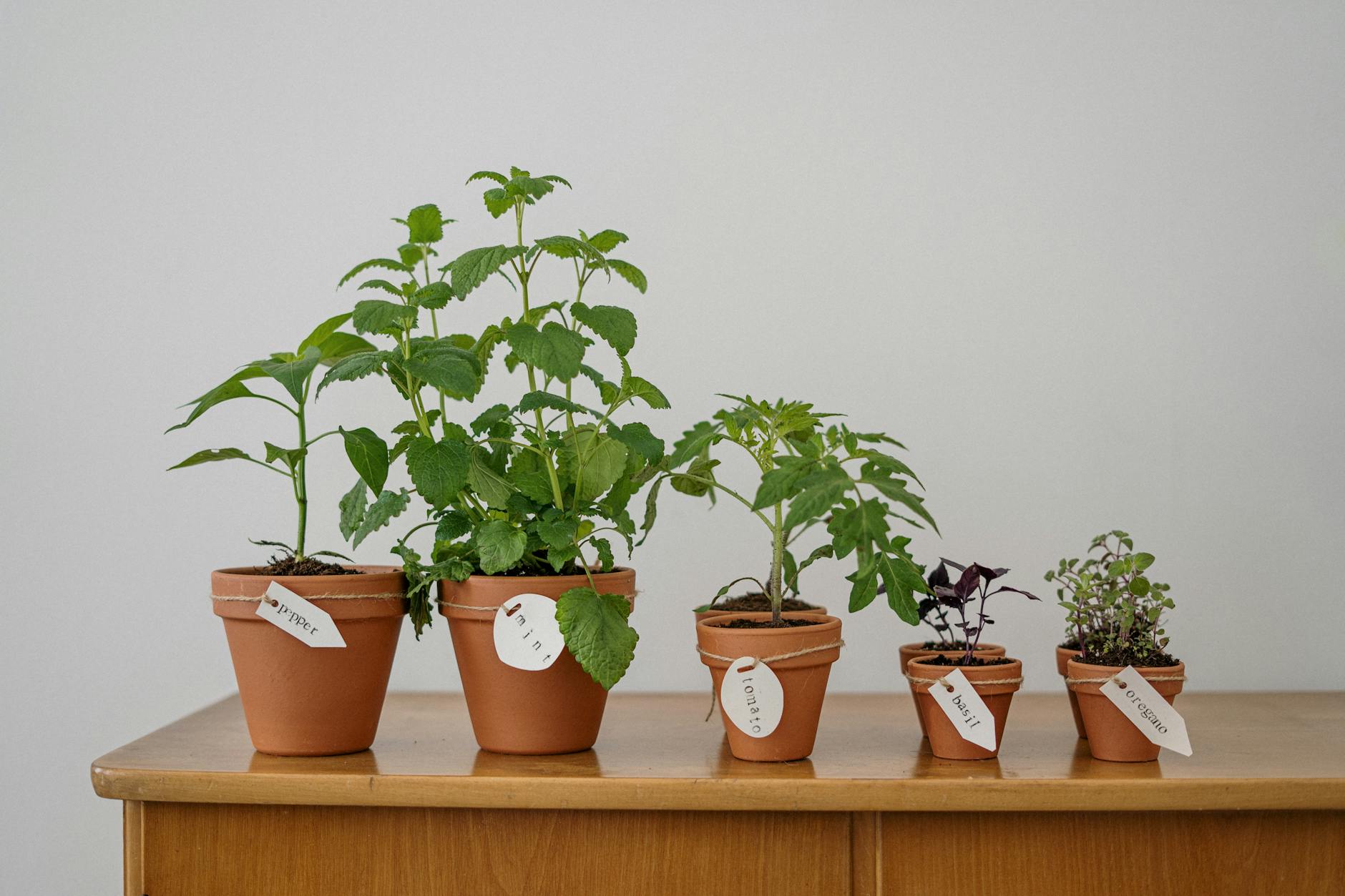
Grow Purple Basil Vertically: Wicking Bed & Self-Watering Pots
Okay, so listen up, because I'm about to tell you about one of my absolute favorite hacks for keeping finicky herbs happy indoors: the vertical wicking bed purple basil setup. Seriously, it’s a game-changer, especially if you’ve ever come home to a sad, wilted plant because you forgot to water it. Guilty as charged, many times over. I mean, my first apartment in Portland had a window box that was practically a desert sometimes. So, I figured there had to be a better way, especially for us urban gardeners juggling life and leafy greens.
Purple basil, in particular, just shines in this kind of system. That gorgeous deep color, the slightly spicier, almost clove-like scent compared to its green cousin – it’s a showstopper and tastes amazing in pretty much everything. But it needs consistent moisture, not soggy, not dry, just consistently, perfectly damp. And that's where vertical wicking beds come into their own.
Why Purple Basil Does So Well with Wicking Beds
Basil is a diva. A beautiful, fragrant, culinary diva. It hates having "wet feet" (roots sitting in stagnant water) but it also throws a fit if its soil dries out completely. Most traditional pots just don't cut it for busy folks or forgetful types like me. You water from the top, the water rushes out the bottom, and half the time, the plant only gets a superficial drink. Or, even worse, you overwater, and then you've got root rot brewing.
Wicking beds, whether in a fancy self-watering pot or a DIY setup, fix all that. They supply water from the bottom reservoir directly to the roots, exactly when the plant needs it. It's like having a personal butler for your basil, keeping its hydration perfectly balanced. This consistent moisture, combined with the vertical aspect – stacking them or hanging them – means you can cram more plants into a small footprint, which is essential for apartment dwellers like us. You're not going to get leggy plants frantically searching for water because it's always right there. For a vertical wicking bed purple basil setup, this means healthier, bushier plants and a longer harvest period. Plus, it makes the whole experience so much less stressful.
What You'll Actually Need
No need for a huge shopping spree here. We're keeping it simple.
Container: Self-Watering Pot
- The Pot Itself: You want a self-watering pot, ideally one that’s pretty sturdy since it’ll hold water in the reservoir. I’ve used everything from cheap plastic ones from IKEA (the SOCKER series isn't bad for a starter) to more aesthetically pleasing terracotta-look ones. Hydrofarm makes some decent self-watering containers that often get overlooked.
- Size Matters: For a single purple basil plant, a pot that holds about 1-2 gallons of soil mix is perfect. If you’re planning on multiple plants or a really bushy specimen, go bigger.
System: Wicking Bed
- Wicking Material: This is the heart of your system. You need something that can draw water up from the reservoir into the soil. My go-to is always felt or a thick strip of non-woven geotextile fabric. Old t-shirt strips work in a pinch, but they break down faster. You can get fancy with actual wicking ropes, but honestly, recycled fabric scraps are my favorite. I even wrote a whole post about fabric scrap wicking system pots – trust me, it’s super effective.
- Barrier/Raised Section: Most self-watering pots come with a false bottom that creates the reservoir and supports the soil. If you're MacGyvering this, you'll need something to create that separation, like an inverted plastic container with holes drilled in it.
- Grow Medium: This is critical. You need a good quality potting mix that drains well but also retains moisture. I swear by FoxFarm Ocean Forest for starting mixes, but anything with a good amount of coir, perlite, and compost will do. Avoid heavy garden soil; it just compacts too much in pots.
The Growing Process, Step by Step
This isn't rocket science, but following a few steps will make all the difference for your vertical wicking bed purple basil.
- Month 1: Seed Starting & Setup (Early Spring)
- Seed Starting: Every February, I start my basil seeds indoors under grow lights here in Brooklyn. Purple basil seeds are tiny, so don't bury them too deep – just a light sprinkle of soil over them. They need warmth (around 70°F/21°C is ideal) to germinate. Keep the soil consistently moist (use a spray bottle) until they sprout.
- Pot Prep: Take your self-watering pot. If it has a wicking "basket" or an insert, place your wicking material (felt strip, fabric) through the designated hole so one end sits in the water reservoir and the other extends up into the soil chamber. Fill the reservoir with water.
- Potting Up: Once your seedlings have 2-3 sets of true leaves (usually about 3-4 weeks), they're ready. Gently transplant your strongest seedling(s) into your prepared self-watering pot, making sure the soil makes good contact with the wicking material. Leave about an inch or two of space from the rim of the pot.
- Lighting: Basil demands light. Absolute tons of it. If you're indoors, a south-facing window is great, but honestly, supplemental grow lights are almost always necessary. Last March, my first purple basil batch in a self-watering pot got leggy and sad because I skimped on light – lesson learned the hard way! I aim for 14-16 hours of light a day.
- Months 2-3: Growth & Maintenance (Spring/Early Summer)
- Watering: This is the easy part! Just keep "feeding" the reservoir. You'll notice it empties faster as the plant grows bigger. Check it every few days. You'll rarely need to top-water once the wicking system is established. I’ve gone upwards of 2-3 weeks without topping off a medium-sized reservoir in cooler months, but in summer heat, it can be daily. (For serious water autonomy, check out my self-watering bottle system for apartment plants – that's a whole other level!)
- Pruning: Pinch off the top set of leaves when the plant has about 3-4 sets of true leaves. This encourages bushier growth instead of a single tall stalk. Continue to pinch just above a leaf node as it grows to keep it from flowering prematurely. Flowering makes the leaves turn bitter.
- Fertilizing: Basil isn't a heavy feeder, but with consistent watering, nutrients leach out faster. I dilute a liquid organic fertilizer (like an all-purpose Alaska Fish Emulsion, though sometimes the smell is a bit much indoors!) to half-strength and add it to the reservoir every 3-4 weeks. Follow package directions, but less is often more.
- Months 4-6: Harvesting & Continued Care (Summer/Early Fall)
- Harvesting: You can start harvesting leaves once your plant is well-established and bushy. Always harvest from the top down, again, pinching above a leaf node. Don't remove more than a third of the plant at once. And don't be shy! Harvesting encourages more growth.
- Pest Watch: Indoors, aphids and spider mites can be an issue. Check the undersides of leaves regularly. A gentle spray of neem oil or insecticidal soap (diluted, of course) at the first sign usually takes care of it.
- Succession Planting: If you want a continuous supply, start a new batch of seeds every 4-6 weeks in a separate pot. Basil can get a bit tired after a few months, especially if it flowers, and a fresh plant is always more flavorful.
- Airflow: Good air circulation prevents fungal diseases. If your vertical setup is packed tight, consider a small, oscillating fan.
- Wick Placement: Ensure the wick goes deep into the soil and reaches the bottom of the reservoir. Sometimes a second wick (or a wider one) can improve absorption for larger plants.
- Light Rotation: Even with grow lights, rotating your pot sometimes ensures all sides of the plant get adequate light, leading to more even growth.
- Pinching Flowers: Those pretty little purple flowers might look nice, but they signal the plant to put its energy into seed production, not leaf production. Pinch them off as soon as you see them forming.
Mistakes I've Made (So You Don't Have To)
Oh, believe me, I've made them all. For years, I approached indoor gardening with a "just throw it in soil and hope" mentality. One time, I went on a week-long trip to Chicago, totally confident in my "self-watering" setup. I came back to a bone-dry reservoir and a very crispy purple basil plant. Why? Because I hadn't properly checked the wick to make sure it was drawing water effectively. The lesson: Always check your wick. Make sure it's fully saturated before you add the soil, and ensure there's good contact. Another classic was using heavy, dense compost from my garden directly in a pot. It compacted into a brick, choked the roots, and the wicking system just couldn't penetrate it. Stick to light, airy potting mixes, folks!
Little Things That Make a Big Difference
When to Harvest and What to Expect
You can start harvesting individual leaves once your plant has a good few inches of growth, usually around 6-8 weeks from seeding. For a continuous harvest, always pinch the top growth right above a set of leaves. This encourages lateral branching, giving you a bushier plant and more leaves. Don't just pull off leaves willy-nilly; think about shaping your plant. You're aiming for a compact, multi-stemmed bush, not a gangly stick with a few leaves. Expect a vibrant, deeply colored purple basil, smelling of sweet anise and cloves. It’s fantastic in pestos (mix it with green basil for a color pop!), sprinkled over pasta, or muddled in cocktails. The texture is usually a bit firmer than regular green basil. With this vertical wicking bed purple basil system, you can easily get 4-6 months of consistent harvests from a single plant, sometimes more if you're diligent about pruning and feeding.
So, there you have it. No more sad, thirsty basil. Just smart, efficient growing that lets you enjoy fresh herbs without all the daily fuss. Give it a shot!
Keep exploring related guides
Follow the topic cluster below to discover more growing methods, troubleshooting advice, and crop-specific tutorials.