Indoor Grow Light Setup
Beat the Heat: Spinach Indoors with Grow Lights & Stackable Planters
Learn how to indoor spinach heat protection grow light in your apartment. Step-by-step guide with expert tips.
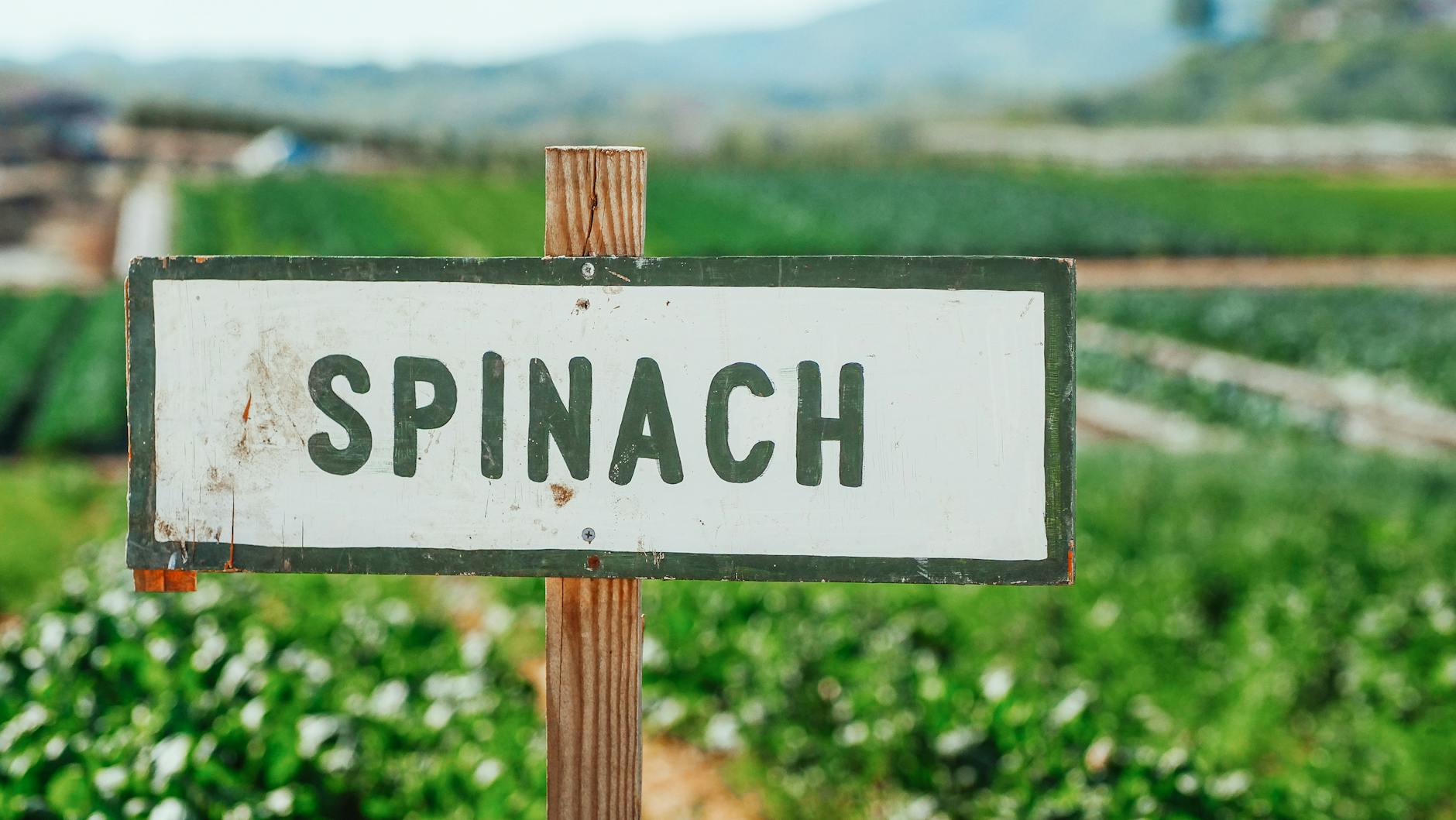
Why Spinach Does So Well with Indoor Grow Light Setup
Okay, so it’s June, or July even, and the summer sun is just DUMPING heat on everything. Here in Brooklyn, even my fire escape plants are looking a little sad by 2 PM. And spinach? Forget about it. This cool-weather lover bolts faster than I can brew my morning coffee once temps hit the 80s consistently. But what if I told you I’ve been harvesting fresh, tender spinach all summer long for years now, right inside my apartment? It’s not magic, it’s just smart growing with an indoor spinach heat protection grow light setup. Look, we’re essentially tricking the spinach into thinking it’s eternal spring. And frankly, it’s glorious.
I started experimenting with this whole indoor-for-summer thing after one particularly brutal Chicago summer. My outdoor spinach legit vaporized. I was so mad. That’s when the light bulb went off (pun intended!). If I could control the environment, I could control the spinach. It loves cool roots, consistent moisture, and bright, INDIRECT light. Indoors, with grow lights, I can provide all of that, totally shielding it from the summer brutality. Plus, I don’t have to deal with slugs. Bonus points, right?
What You'll Actually Need
This isn't rocket science, but having the right gear makes a huge difference. You don't need to break the bank, but don't skimp on the critical stuff either.
Container: Stackable Planter System
I’m a huge fan of stackable planters for spinach. They’re space-efficient, which is a big deal in urban apartments. I've used several brands, but I really like the modular ones from Mr. Stacky. You can stack 3-5 tiers high, giving you a ton of growing surface in a small footprint. Each tier usually holds a good amount of soil, keeps the roots relatively cool, and drains well. Plus, you can rotate them easily for even light exposure if your stand doesn't rotate itself.
Indoor Grow Light Setup
This is your MVP for indoor spinach heat protection grow light. Don't go for those dinky little desk lamps. Your spinach needs real light. For a stackable planter system, I recommend a full-spectrum LED grow light panel (typically 45W-100W for a decent-sized setup) or strong LED tube lights. I’ve had fantastic success with Barrina T5 LEDs – they’re bright, energy-efficient, and easy to mount vertically on a shelving unit. Position them so the light covers all tiers of your stackable planter, about 6-12 inches above the top leafy greens. Last March, my first spinach batch in a stackable planter got super leggy because I skimped on light – total rookie move, even for me! The leaves were pale and stretched. Lesson learned: more light, denser, happier spinach. For more ideas on how to maximize your small space, you can check out my guide on Budget Pansies Indoors: Vertical Grow Light Success – the principles are quite similar.
Soil & Seeds
- Potting Mix: A good quality, loose, well-draining potting mix is key. I usually go for FoxFarm Ocean Forest or something similar with a decent amount of perlite already mixed in. You want something that holds moisture but doesn't get waterlogged. Roots need air to breathe, too!
- Spinach Seeds: Any variety will work, but I often opt for bolt-resistant types like 'Tyee' or 'Bloomsdale Long Standing' just for extra insurance, even indoors. You can find these at most garden centers or online seed retailers.
Other Essentials
- Timer: Seriously, get one. A simple mechanical timer works fine. Your spinach needs 12-14 hours of light a day, consistently. I set mine to come on at 6 AM and off at 8 PM.
- Fan: A small oscillating fan for air circulation. This prevents mold, strengthens stems, and mimics outdoor breezes.
- Watering Can/Spray bottle: Small and precise.
- Thermometer/Hygrometer: Helps you monitor ambient temperature and humidity. Spinach likes it cool (60-70°F is ideal) and not too dry.
The Growing Process, Step by Step (4-6 Months of Greens!)
This isn't a race; it's a marathon of continuous harvest. Here’s how I get a continuous supply.
- Seed Starting (Month 1):
I usually start a new batch of spinach seeds every 2-3 weeks to ensure a continuous harvest. In each section of your stackable planter, poke a few holes about an inch deep and drop in 2-3 seeds per spot. Cover lightly with soil. Keep the soil consistently moist but not soggy. A spray bottle works wonders for gentle watering at this stage. I germinate them directly in the stackable planter under the grow lights. You’ll see sprouts in about a week. Thin them out to one strong seedling per spot once they have their first true leaves.
- Early Growth (Month 2):
Once your seedlings are up, ensure they have plenty of light. Position your indoor spinach heat protection grow light about 6-8 inches above the plants. Watch for yellowing leaves (too little light or nutrients) or leggy stems (definitely too little light). Keep the soil lightly moist. This is when I usually start a new tier of seeds in another section of the stackable planter.
- Mid-Growth & First Harvests (Month 3-4):
Now things get exciting! Your spinach leaves will be getting bigger and more vibrant. You can start harvesting the outer leaves when they’re about 3-4 inches long. Don't pull the whole plant; snip the outer leaves near the base, leaving the inner ones to continue growing. This "cut-and-come-again" method is key for a prolonged harvest. At this point, your initial batches will be producing, and your staggered plantings will be catching up. This means you’ll always have something ready. You can get a good six weeks or more of harvests from a single plant this way.
- Sustained Harvest & Replenishment (Month 5-6 and beyond):
As some of your older plants start to slow down or even show signs of wanting to bolt (longer stems, smaller leaves), it’s time to replace them. By staggering your planting every 2-3 weeks, you'll have younger plants ready to take over. I just pull the spent plants, add a little fresh potting mix to that spot, and sow new seeds. It's a revolving door of deliciousness!
Mistakes I've Made (So You Don't Have To)
Oh boy, have I learned some lessons. One time, early on, I thought more light was ALWAYS better. So I put my grow light about two inches above my spinach. Fried them right up! Crispy, yellow, totally inedible. Cooked spinach, but not in the way I wanted. Too much of a good thing is still too much. Keep that 6-12 inch distance. Trust me on this one.
Another classic rookie move: overwatering. Especially with stackable planters, where water often drips down, it’s easy to think the bottom tiers need more. Nope. Saturated soil leads to root rot, quickly killing your plants. I aim for moist, not wet. Let the top inch or so dry out slightly before watering again. You can actually feel the difference in the weight of the pot. Light pot = thirsty plant. Heavy pot = leave it alone.
Little Things That Make a Big Difference
- Fertilize Lightly: Spinach isn't a heavy feeder, but it does appreciate a little boost every 2-3 weeks. I use a diluted liquid organic fertilizer, like a weak fish emulsion or a balanced all-purpose fertilizer. Too much nitrogen actually encourages bolting, so don't go crazy.
- Air Movement: That small fan? It's not just for preventing mold. It strengthens the plant stems, making them more resilient. Plus, it gently rustles the leaves, which seems to make them happier.
- Temperature Control: This is a big one for indoor spinach heat protection grow light. Try to keep your grow area between 60-70°F (15-21°C) if possible. If your apartment gets really warm, consider placing the setup in the coolest part of your home, like a bathroom or a basement corner. Don't worry too much about humidity; just make sure it's not bone dry or dripping wet. I've had success even when the temp crept to 75°F at times, but lower is always better for spinach.
- Rotate Your Planters: If your grow light isn't perfectly even, regularly rotate your stackable planter tiers or the whole stack itself so all sides get equal light exposure. This prevents uneven growth.
When to Harvest and What to Expect
You'll start harvesting tender, young spinach leaves in about 4-6 weeks after planting. For continuous harvesting, just snip the outer, larger leaves with clean scissors or pinch them off. Leave the central growing point intact. This encourages the plant to produce more leaves for weeks on end. You’re going to be amazed at how quickly it grows back!
What can you expect? Bright green, crisp, slightly sweet spinach that puts grocery store stuff to shame. Seriously. No sandy grit, no wilted ends. Just pure, delicious greens. I love adding it to smoothies, salads, or just a quick sauté with garlic. The texture is so much better than anything you'll buy, especially since you're harvesting it literally minutes before you eat it. You've essentially created a climate-controlled micro-farm in your own home, completely sidestepping the summer heat that makes growing spinach a nightmare otherwise. And that, my friends, is a win in my book!
Keep exploring related guides
Follow the topic cluster below to discover more growing methods, troubleshooting advice, and crop-specific tutorials.