Indoor Grow Light Setup
Swiss Chard Indoors: Mason Jar Hydroponics with Grow Lights
Learn how to grow swiss chard indoors mason jar in your apartment. Step-by-step guide with expert tips.
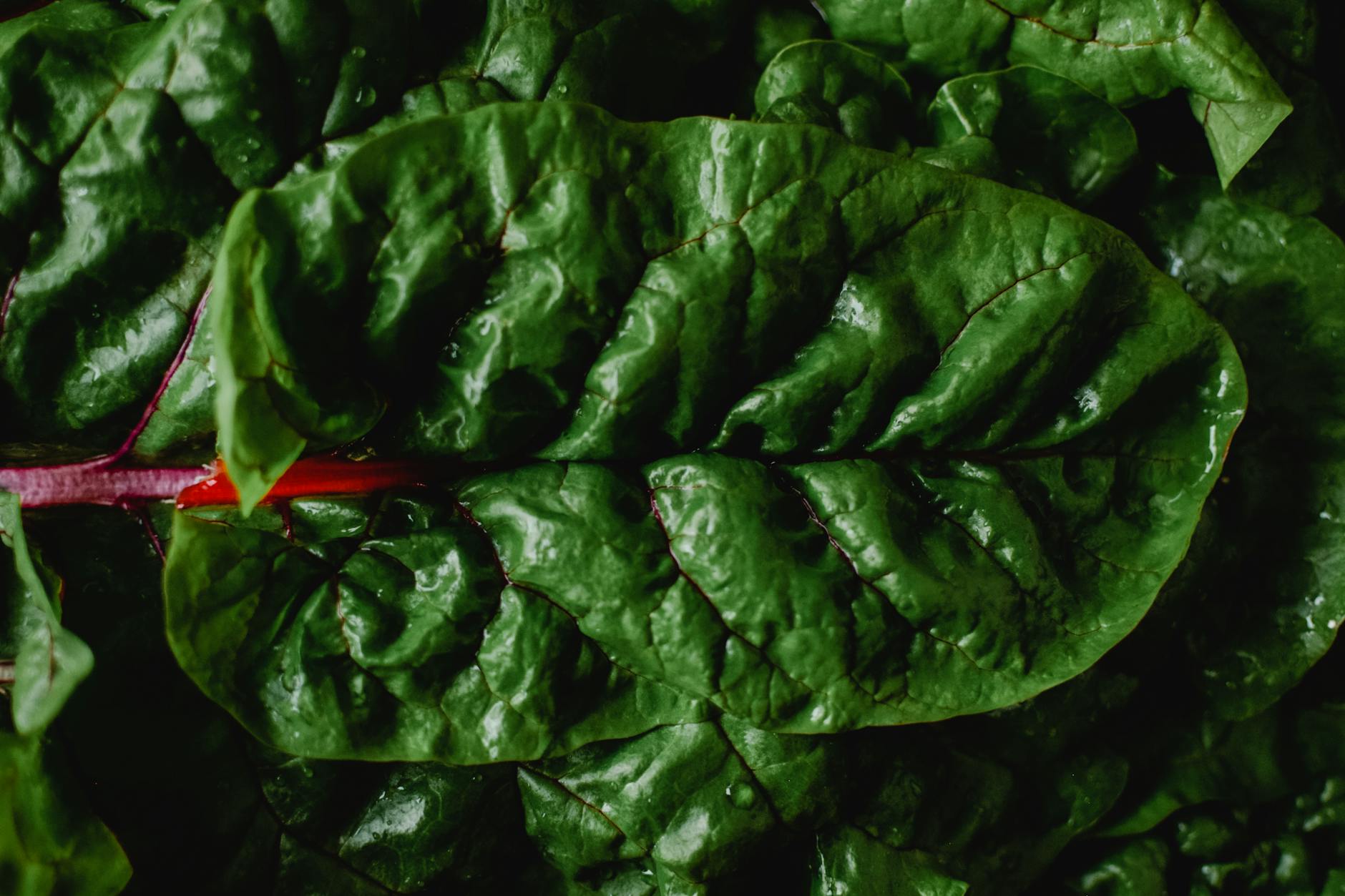
Why Swiss Chard Does So Well with an Indoor Grow Light Setup
Okay, so picture this: it's February in Brooklyn, still officially winter, but I'm craving fresh greens like nobody's business. The grocery store stuff is looking... sad, you know? That's when I usually kick off my first round of indoor spinach or, if I'm feeling feisty, some Swiss Chard. And let me tell you, growing Swiss Chard indoors in a mason jar with a good grow light setup? It's a game-changer for getting nutrient-packed greens year-round, no matter if you're battling Chicago winds or Portland's relentless rain.
See, Swiss Chard is just wonderfully forgiving. It’ll handle a little neglect, it bounces back, and it doesn’t need a massive amount of root space. Plus, you get that beautiful pop of color – those vibrant red, yellow, or white stems are just gorgeous even before you eat them. For beginners, it’s practically foolproof. And for those of us who just want fresh, chemical-free greens without trekking to a farmers' market in a downpour, growing your own Swiss Chard indoors with a mason jar system is pure genius.
I started experimenting with this a few years back after a particularly brutal Portland winter left me feeling deprived of fresh veggies. I’d dabbled with herbs, but I wanted something substantial. Someone at my community garden mentioned chard, and the lightbulb went off. My first go at it, I used a recycled pickle jar and a cheap clip-on LED. It wasn't perfect, but I pulled off some leaves. That first taste? Unbeatable. It became a new obsession for me, and now I'm here to spill all the beans so you can taste that success too.
What You'll Actually Need
Let's talk gear. Don't worry, we're not building a rocket ship here. Most of this stuff, you might already have kicking around.
Container: The Star of the Show – Your Mason Jar
- Wide-Mouth Quart Mason Jars (32 oz): These are perfect. The wide mouth makes it easy to get your hands in there for planting and cleaning. You can start with just one to get the hang of it.
- Dark Spray Paint (optional but recommended): This is important. Algae loves light, and if your roots are exposed to light through clear glass, you're going to have an algae party you didn't RSVP for. One quick coat of black or dark brown spray paint on the outside of the jar (leaving the top rim clear for visibility) makes a huge difference. Trust me, I skipped this once, and it looked like a swamp in there. Never again.
- Net Pots (2-inch): These plastic mesh cups fit perfectly into the mouth of your mason jar. They hold your grow medium and seedling.
The Soul of the System: Indoor Grow Light Setup
This is where your plants get their energy, folks. Don't cheap out here. You don't need a professional setup, but a decent light makes all the difference.
- Full-Spectrum LED Grow Light: Look for something around 25-45 watts. You don't need super-powerful lights for chard, but full-spectrum is key. I've had really good luck with lights from Sanan or Roleadro for budget-friendly options.
- Timer: Absolutely non-negotiable. Plants need a day and night cycle. A simple mechanical timer from the hardware store works perfectly. Set it for 12-16 hours on.
- Something to Hang the Light From: A wire shelf, an old lamp stand, PVC pipes – get creative! Just make sure it’s stable and you can adjust the height.
Growing Medium & Nutrients
- Hydroton Clay Pebbles (Leca): These are inert, reusable, and provide good aeration for the roots. Rinse them well before use.
- Hydroponic Nutrients: This is the plant food. You'll need a liquid formula specifically designed for hydroponics. General Hydroponics FloraSeries is a classic starter kit. Follow the directions religiously! Don't try to wing this part, you'll burn your plants faster than you can say "photosynthesis."
- pH Testing Kit/Pen: Hydroponics means you're controlling everything, including pH. Swiss Chard likes a slightly acidic to neutral range, usually 6.0-6.8. I use a cheap digital pH pen, it changed my life after fiddling with those little strips forever.
- pH Up/Down Solutions: To adjust your nutrient solution.
Other Handy Gimmicks
- Small Pump Sprayer: For misting seedlings and keeping humidity up if your space is super dry.
- Measuring Spoons/Cups: For accurate nutrient mixing.
- Seeds: Obviously! Look for a good heirloom variety like 'Bright Lights' for that colorful pop. Johnny's Selected Seeds or Baker Creek Heirloom Seeds are my usual go-tos.
The Growing Process, Step by Step
Alright, let's get our hands dirty (or, well, wet in this case!). This is an 8-10 week journey, so buckle up.
Week 1: Starting Strong
- Seed Prep: Swiss Chard seeds are actually clusters of several seeds. Some people soak them overnight to help germination. I usually just plant them directly.
- Net Pot Placement: Fill your 2-inch net pot with rinsed Hydroton pebbles. Create a small divot in the center.
- Planting: Place 2-3 seeds about 1/4 to 1/2 inch deep in the divot. Gently cover with a few more pebbles. Planting a few gives you a better chance of success. Thin later!
- Nutrient Solution (Very Weak!): Mix up a super diluted nutrient solution – like 1/4 strength of what the bottle recommends. Fill your painted mason jar with this solution until it just touches the bottom of the net pot. You want the pebbles to wick moisture to the seeds without submerging them.
- Light On: Place your jar under the grow light. Keep the light about 6-8 inches above the net pot. Set your timer for 16 hours ON, 8 hours OFF.
- Germination: You should see sprouts in 5-10 days. Keep the solution level consistent.
Weeks 2-3: Growing Up and Thinning Out
- First True Leaves: Once you see the first set of "true leaves" (they'll look like tiny chard leaves, not the initial round, oval "cotyledon" leaves), it's time to thin.
- Thinning: Carefully snip off the weaker seedlings at the base, leaving only the strongest one or two per net pot. Don't pull them out, you'll disturb the roots of the one you want to keep!
- Nutrient Boost: Increase your nutrient solution strength to about half of what the bottle recommends. Check the pH daily and adjust to 6.0-6.8. Refill or replace the solution every few days to keep it fresh and at the right level.
- Light Adjustment: Keep raising your grow light so it's always about 6-8 inches above the top of your growing plant. Last March, my first Swiss Chard batch in a mason jar got leggy because I skimped on light – lesson learned the hard way! Those plants stretched and tried to reach for the light, thinning out their stems.
Weeks 4-6: The Growth Spurt
- Full Strength Nutrients: Now's the time for full-strength nutrient solution as per package directions. Remember, pH is still critical!
- Root Watch: You'll start to see roots growing down into the nutrient solution. This is good! Your black-painted jar should be doing its job keeping algae away.
- Solution Change: Every 7-10 days, completely dump the old nutrient solution, clean the jar (a quick rinse is fine), and refill with a fresh, full-strength solution. This prevents nutrient imbalances and buildup.
- Light & Air: Maintain the light distance. Make sure there’s some air circulation around your plant – a small fan on a low setting helps prevent fungal issues (something I learned the hard way with my okra plants).
Weeks 7-10: Harvest Time!
- Keep it Going: Maintain your nutrient changes, pH checks, and light schedule.
- First Harvest: By week 7 or 8, you should have leaves large enough to harvest. Cut the outer, larger leaves close to the base, leaving the inner, smaller leaves to continue growing. This "cut-and-come-again" method means you'll get multiple harvests from a single plant.
- Enjoy! Wash your fresh Swiss Chard and cook it up. Sautéed with garlic and lemon? Oh, yes.
Mistakes I've Made (So You Don't Have To)
- The Algae Attack: I already mentioned skipping the paint. Don't do it. Green sludge on roots is not a good look, and it steals nutrients from your plant.
- pH Neglect: Forgetting to check pH is like trying to drive a car without gas. Your plants just won't be able to absorb the nutrients even if they're there. pH pens are your friend.
- Nutrient Burn: Thinking "more is better" with nutrients? Nope. You'll fry your roots. Always follow the dilution instructions. I once thought my plants were "hungry" and doubled up, and boy, did they teach me a lesson. The leaves looked scorched at the edges.
- Leggy Plants: Not enough light, or light too far away, makes plants stretch desperately. Keep that grow light close enough. My very first batch always looked like pathetic string beans.
- Water Level Woes: Letting the nutrient solution drop too low, or conversely, having the water level too high and submerging the whole net pot, can cause problems. Keep that sweet spot where the solution just kisses the bottom of the net pot.
Little Things That Make a Big Difference
- Airflow is Key: Seriously, a tiny USB fan blowing gently across your plants for a few hours a day can prevent a lot of headaches like mold or fungal growth. Plus, it gently strengthens the stems.
- Cleanliness: Hydroponics is cleaner than soil, but that doesn't mean you can ignore hygiene. Rinse everything, spray down your jars if you see any buildup. Algae and other gunk are the enemy.
- Consistent Temperature: Swiss Chard likes it cool but not cold. Aim for room temperature, 65-75°F (18-24°C). If your space is too hot, check out my tips for temperature control with mustard greens – those principles apply here too.
- Good Seeds: Don't just grab any old packet from the dollar store. Invest in quality seeds from a reputable supplier. It really does make a difference in germination rates and plant vigor.
- Regular Observation: Spend a few minutes each day, or every other day, just looking at your plants. Are the leaves a good color? Any spots? Are the roots looking healthy? You'll catch problems early.
When to Harvest and What to Expect
You can start harvesting Swiss Chard leaves when they are about 6-8 inches long, usually around week 7 or 8. Don't get greedy! Only take the outer, most mature leaves. Leave the smaller, inner leaves to continue growing. This cut-and-come-again method is fantastic because one plant can give you harvests for weeks, sometimes even months. I've had single plants produce for over three months with continuous harvesting before they finally tapped out.
The flavor of home-grown, fresh-cut Swiss Chard is just so much better than anything from the store. It's vibrant, slightly earthy, and less bitter. The stems, depending on the variety, can be sweet and crunchy, perfect for a quick sauté. You're going to love knowing exactly where your food came from and how it was grown.
So, there you have it. My complete rundown for how to grow Swiss Chard indoors in a mason jar with a grow light setup. It's a rewarding process, incredibly satisfying, and it truly beats the winter blues. Get growing!
Keep exploring related guides
Follow the topic cluster below to discover more growing methods, troubleshooting advice, and crop-specific tutorials.