Raised Bed
Raised Bed Soil Mix: Creating the Perfect Growing Medium
Learn how to create the perfect raised bed soil mix for thriving vegetables. Discover ingredients, ratios, and amendments for optimal plant growth.
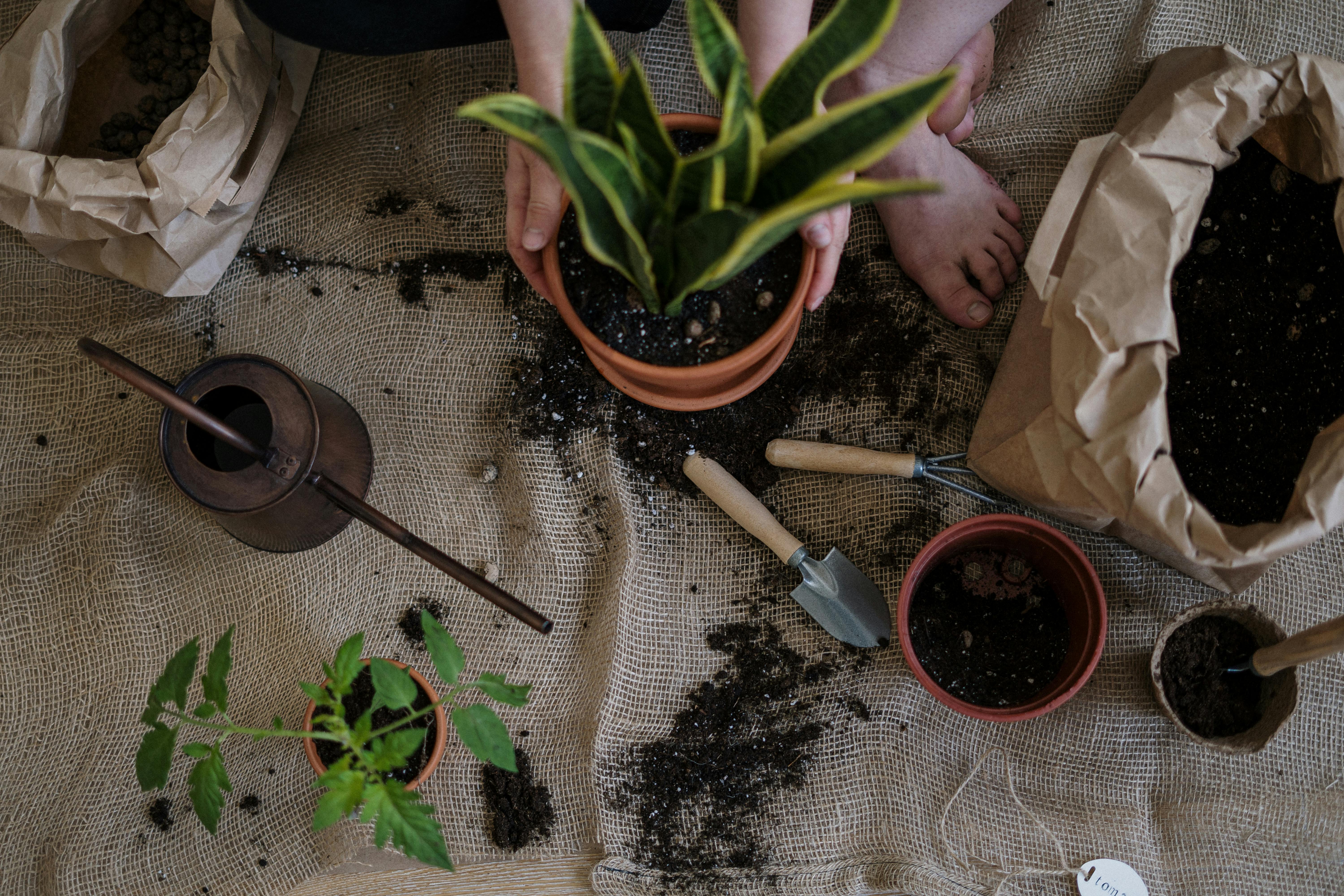
The soil in your raised beds is the foundation of a successful garden. Unlike in-ground gardening where you improve existing soil over time, raised beds let you create the perfect growing medium from the start.
The Basic Formula
The classic raised bed soil mix follows a simple ratio: 60% topsoil or garden soil, 30% compost, and 10% aeration amendments like perlite, vermiculite, or coarse sand. This creates well-draining, nutrient-rich soil.
Choosing Quality Topsoil
Purchase screened topsoil from reputable suppliers. Avoid soil that smells sour or looks compacted. Good topsoil should be dark, crumbly, and free of large debris or weed seeds.
Compost Types and Benefits
Aged compost adds nutrients and beneficial microorganisms. Combine different types: mushroom compost for calcium, worm castings for microbial activity, and leaf mold for moisture retention. Avoid fresh manure which can burn plants.
Aeration Amendments
Perlite improves drainage and prevents compaction. Vermiculite retains moisture while maintaining air pockets. Coarse sand works for heavy soils but adds weight. Use one or a combination based on your climate.
Additional Amendments
Consider adding bone meal for phosphorus, greensand for potassium, and azomite for trace minerals. Work these into the top few inches of soil before planting.
Maintaining Soil Health
Add 2-3 inches of compost annually to replace nutrients and maintain structure. Mulch beds to protect soil life and reduce moisture loss. Avoid walking on beds to prevent compaction.
For related information, see our soil health fundamentals and raised bed building guide.
Keep exploring related guides
Follow the topic cluster below to discover more growing methods, troubleshooting advice, and crop-specific tutorials.