Raised Bed
Protect Pea Shoots in Vertical Planters from Summer Heat
Learn how to vertical planter pea shoots summer heat in your apartment. Step-by-step guide with expert tips.
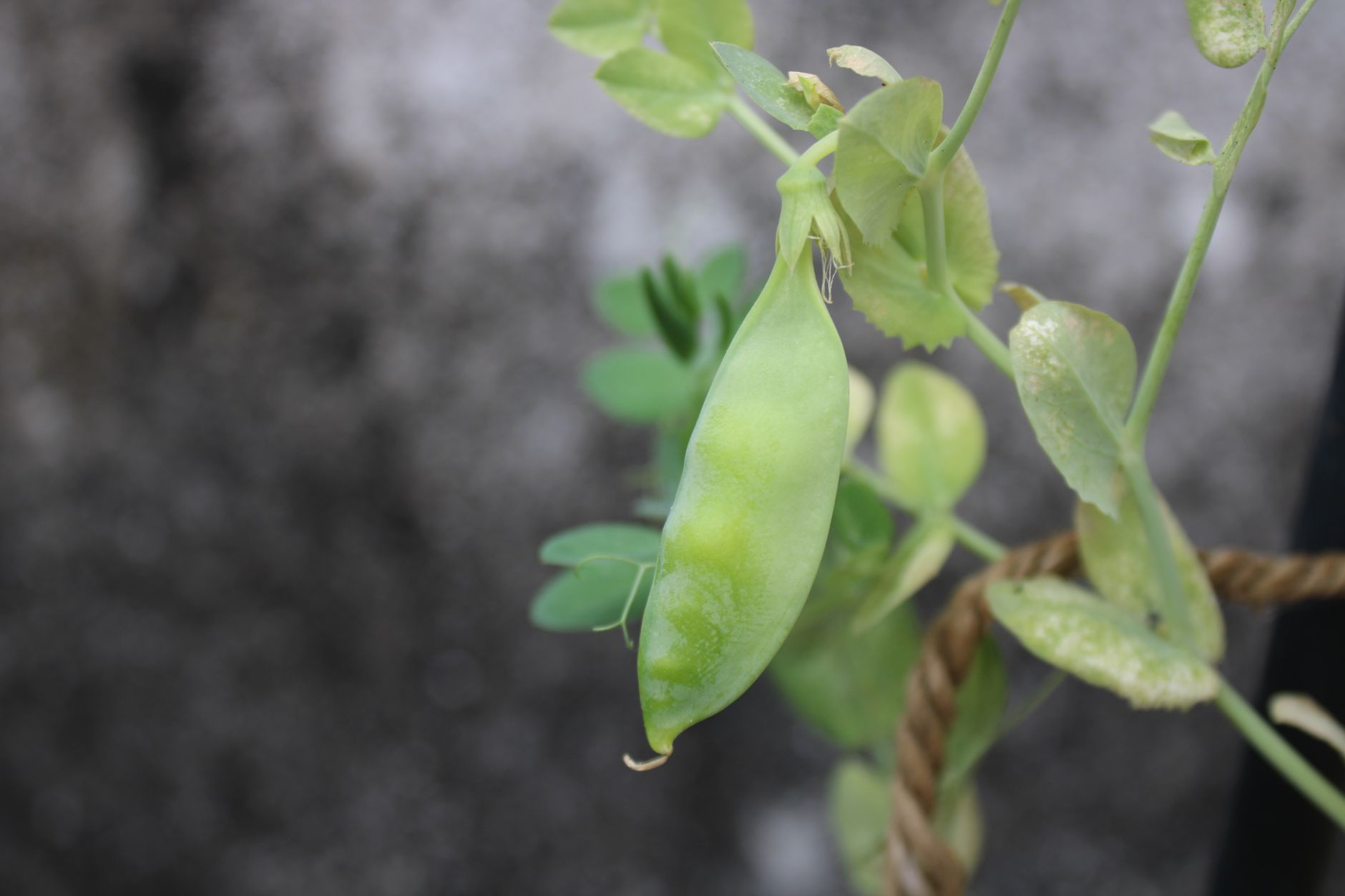
Alright, so picture this: it's July in Brooklyn, temperatures are hitting the high 80s, and I'm staring at my vertical planter like a hawk. Why? Because I'm determined to keep my pea shoots going strong, even when everything else in my tiny urban jungle is getting sunburnt. People always ask me, "Jamie, can you really grow great pea shoots in a vertical planter through summer heat?" And my answer, after a *lot* of trial and error (believe me, there's been error), is a resounding YES. But it ain't easy, and it definitely requires some strategy. I’ve personally grown hundreds of trays of these guys across different climates – Portland’s wet summers, Chicago’s brutal heat, and now Brooklyn’s humid hellscapes. You learn a thing or two.
Most folks think pea shoots are a cool-weather crop, and they’re not wrong. They *thrive* when it's mild. But with a bit of clever protection and the right setup, you can extend that harvest window dramatically. I’m talking about getting multiple cuts from the same raised bed setup, right into the peak of summer. It feels like cheating, but it’s just smart gardening. And honestly, who wants to wait until fall greens to get that sweet, fresh pea flavor?
Why Pea Shoots Does So Well with Raised Bed
First off, let's talk about why using a raised bed system within a vertical planter is such a game-changer for pea shoots, especially when you're battling summer heat. Pea shoots, at their core, are pretty shallow-rooted. They don't need a ton of soil depth to produce those delicious, tender greens. This is where the beauty of a raised bed concept, even in a vertical setup, really shines. You get precise control over your growing medium.
My go-to mix for pea shoots, no matter the season, is usually a blend. I swear by FoxFarm Ocean Forest for a good starting point, but I'll often mix in some coir to lighten it up and boost moisture retention, especially in summer. This combination gives them exactly what they need without wasted space. The added height of a raised bed (even if it's just a few inches in a vertical container) means better drainage and aeration, which is crucial for preventing root rot – a silent killer, especially when you're watering more frequently in the heat. Plus, you can tailor your soil amendments directly to their needs. You don't have to amend a whole big container; just pop a fresh batch into your smaller raised bed section. It’s efficient, clean, and the plants love it. It also works wonders for things like strawberries in window boxes, giving them that perfect little environment.
What You'll Actually Need
Okay, let's get down to the nitty-gritty. Surviving summer with pea shoots isn't about magic; it's about preparation and the right tools.
Container: Vertical Planter, System: Raised Bed
You already know we're talking vertical planters. I've used everything from fancy tiered self-watering systems to repurposed pallet gardens. The key is that each level or pocket functions like its own little raised bed. For pea shoots, I prefer the trough-style levels over individual small pots. They give you a larger surface area per seed. My current favorite for this is a modular system I picked up on Amazon a few years back – it’s just basic plastic tiers, but they’re wide and fairly deep, about 6-8 inches, which is perfect.
Within these troughs, I effectively create a raised bed setup. It's not a full-on raised bed in the traditional sense, but the principles are there: a contained volume of specific, nutrient-rich soil isolated from the surrounding environment. This means excellent drainage (make sure your planter has good drainage holes!), and you can manage the soil precisely. This setup is actually quite similar to what I recommend for growing wheatgrass in a window box. The shallow, wide bed is key.
Specifics:
- Vertical Planter: Choose one with at least 6-8 inches of depth per "shelf" or pocket. Wider is better for more shoots.
- Growing Medium: A good quality organic potting mix is non-negotiable. I use a 3:1 ratio of FoxFarm Ocean Forest to coco coir. Some worm castings never hurt, either!
- Pea Seeds: Spend a little money here. Get organic, untreated, non-GMO shelling peas or field peas. Don't use dried cooking peas from the grocery store – germination rates stink, trust me. I’ve made that mistake more times than I care to admit.
- Shade Cloth: This is your secret weapon against the summer sun. I use a 30-50% shade cloth. You can find rolls of it at most garden centers or online.
- Watering Can/Drip System: Consistent moisture is critical.
- Fan (optional, but recommended for airflow): A small oscillating fan can help prevent fungal issues when humidity spikes.
The Growing Process, Step by Step
Let's map this out for a 3-4 month summer run. We’ll assume you’re starting in late May/early June, aiming for harvests through August/September.
Month 1: Early Summer Start (Late May - June)
- Prepare Your Beds (Week 1): Fill your vertical planter troughs about 75% full with your chosen growing mix. Moisten it thoroughly. Place your pea seeds (pre-soaked for 8-12 hours helps a lot!) densely on the surface – nearly touching. Then, cover them with about a half-inch of your mix. Gently pat down.
- Germination & Early Growth (Weeks 2-3): Keep the soil consistently moist. This is the stage where too much sun can scorch the delicate seedlings, so if it's already heating up, consider a temporary light cover or placing it in a shadier spot for the first week. My first batch of pea shoots in a vertical planter (back in Chicago, April 2015) got totally leggy because I put them in too much shade, reaching for the light – lesson learned the hard way. Full sun when they’re sprouting? Not always the best idea.
- First Growth & Light Adaptation (Week 4): Once they’re about 3-4 inches tall, gradually introduce them to more light. If temps are regularly hovering above 80°F (check the USDA Hardiness Zone for your area – you can find it on the USDA site), this is where your shade cloth comes in. Drape it over the vertical planter during the hottest parts of the day. This isn't about blocking all light, just softening the intensity.
Month 2: Mid-Summer Growth & Protection (July)
This is where the real work begins to beat the vertical planter pea shoots summer heat.
- Consistent Watering (All Month): Pea shoots are thirsty. In summer, you'll likely water daily, sometimes twice a day if it's scorching. Stick your finger in the soil; if it feels dry an inch down, water. I use a small watering can with a rose attachment to avoid dislodging the seeds.
- Shade Cloth Deployment (Daily): From about 11 AM to 4 PM, get that shade cloth up. You can rig a simple frame with PVC pipes or even bamboo stakes to create a mini-canopy. This protects them from scalding, prevents premature bolting, and reduces water evaporation.
- Harvesting Strategically (Mid-Month): When they're 6-8 inches tall, you can start harvesting. Cut just above the first set of true leaves. This encourages regrowth. If the heat is extreme, sometimes the regrowth isn't as robust, but you'll still get a decent second (and sometimes third!) cut.
Month 3-4: Late Summer Perseverance & New Plantings (August - September)
By now, your first batch might be tapering off. Don't worry, we're cycling!
- Staggered Planting (Early August): Start a new batch of seeds in another section of your vertical planter, or in small starter trays, following the Month 1 steps. This ensures a continuous supply. The seasoned veterans will thank you for the shade.
- Monitoring for Pests & Diseases: Summer heat often brings out the creepy crawlies and funguses. Keep an eye out for aphids (they love young pea shoots). A strong spray of water can knock them off, or a little neem oil solution if it gets bad. Good airflow (that fan, remember?) helps prevent powdery mildew. Check out my guide on troubleshooting raised bed grow issues for more pest tips.
- Nutrient Boost (Mid-August): If your existing plants are on their second or third cut and looking a bit tired, a diluted liquid organic fertilizer (like a fish emulsion or kelp meal) can give them a much-needed boost. Remember, they're growing fast and depleting nutrients.
- Continued Shade & Water (Through September): Keep up the good fight! As the days shorten and temperatures *might* (fingers crossed) start to cool, you can gradually reduce shade cloth time.
Mistakes I've Made (So You Don't Have To)
Oh, the stories I could tell. My first attempt at keeping vertical planter pea shoots summer heat alive was a disaster. I thought, "Hey, they're sun-loving plants, right?" WRONG. That strong afternoon sun in July here in Brooklyn just fried them. They turned yellow, bolted to seed in two days, and were bitter as all get-out. I was so mad at myself. You need to differentiate between "likes light" and "likes direct, scorching summer sun for 12 hours straight." They appreciate the light, but in summer, it needs to be *filtered* light during the hottest part of the day.
Another big one? Underwatering. I was trying to conserve water (good intention, bad execution) and my pea shoots just wilted and never really recovered. They're quick growers, so they need consistent moisture. Don't let them dry out completely!
And then there was the time I used regular garden soil. Just... don't. It compacts too much, drains poorly, and doesn't have the nutrients these fast-growing microgreens need. A good quality potting mix designed for containers truly makes all the difference. If you're delving deeper into raised beds, check out my general guide for raised bed gardening for beginners.
Little Things That Make a Big Difference
- Airflow, Airflow, Airflow: Think about your vertical planter's placement. Is it against a solid wall where air gets trapped? High humidity combined with heat is a recipe for fungal diseases like powdery mildew. If you can, place it where you get some natural breeze. If not, that small oscillating fan can be a lifesaver.
- Mulch (Lightly): A very thin layer of something like coco coir or even straw on top of the soil can help reduce evaporation slightly without impeding sprout growth. Not too much though, or it can hinder germination.
- Orientation: If you can, orient your vertical planter so it gets morning sun and afternoon shade, or at least a period of natural shade from your building or a tree. This is often easier said than done in urban spaces, but it helps.
- Pinch, Don't Pull: When harvesting, use sharp scissors to cut the shoots, leaving the first set of true leaves. This allows the plant to regrow and give you those second, third (and sometimes even fourth!) cuts.
When to Harvest and What to Expect
You'll typically harvest pea shoots when they're about 4-8 inches tall and have developed a couple of sets of true leaves – those are the leaves that look like miniature pea plant leaves, not the first round little cotyledons. They'll smell gloriously fresh and taste sweet and tender.
In summer, don't expect the same vigorous regrowth you'd get in cooler months. The heat stresses them, and they'll try to rush to flower and produce seeds. You might get 2-3 cuts, but the later ones will likely be less abundant and potentially a bit tougher than your first. If you notice them getting really leggy, trying to flower, or tasting bitter, it's time to pull them, refresh the soil, and plant a new batch. It’s better to have consistent, quality harvests than to try to squeeze too much out of heat-stressed plants.
So there you have it. Growing pea shoots in a vertical planter through summer heat is totally doable. It takes attention to detail, especially with watering and providing shade, but the reward of fresh, homegrown pea shoots in the middle of summer? Priceless. Give it a shot, and don't be afraid to experiment! Every balcony and patio has its own microclimate, so you'll learn what works best for yours. Happy growing!
Keep exploring related guides
Follow the topic cluster below to discover more growing methods, troubleshooting advice, and crop-specific tutorials.