Indoor Grow Light Setup
Mastering Mustard Greens: Indoor Grow Light Temperature Control
Learn how to optimum temperature mustard greens grow lights in your apartment. Step-by-step guide with expert tips.
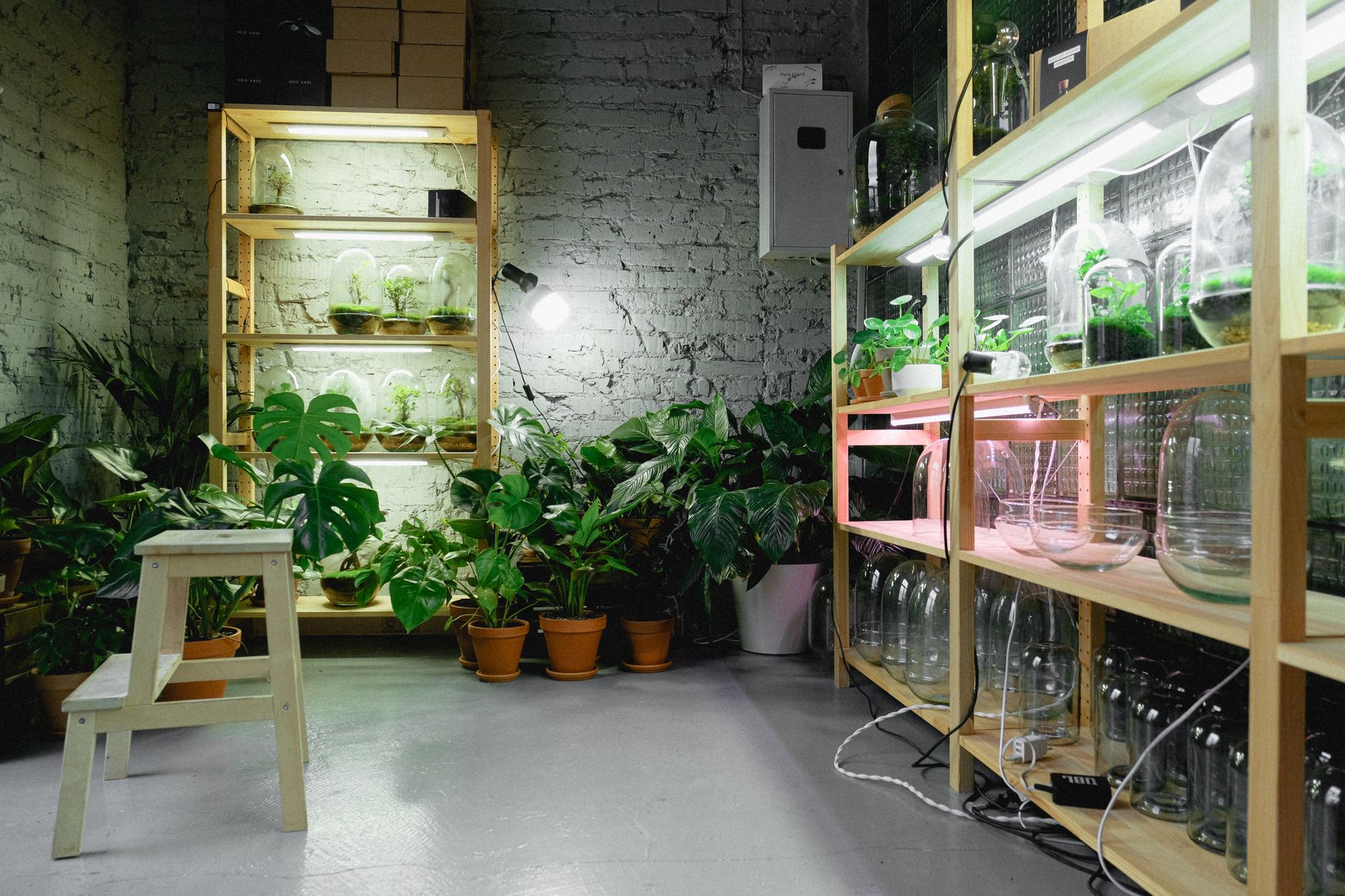
Why Mustard Greens Does So Well with Indoor Grow Light Setup
Okay, so let's talk mustard greens. If you're like me, cramming as much green goodness into a small urban space as humanly possible, mustard greens are a total godsend. They're quick, they're spicy, and honestly, they just look cool with their crinkly leaves and vibrant colors. I've grown them in every apartment I've lived in – from a tiny studio in Brooklyn with one south-facing window to my current spot in Portland with a dedicated plant room. And you know what I've learned? They do ridiculously well under grow lights indoors.
The thing about mustard greens is they appreciate consistency. They don't dig wild temperature swings or unexpected frosts, and let's be real, Mother Nature can be a total drama queen sometimes. That's where an indoor grow light setup shines. You get to play God a little bit, controlling their universe. You dictate the light, the water, and most importantly for this conversation, the temperature.
I mean, think about it. You want sweet, tender leaves, right? Not bitter, bolt-prone monsters. That sweet spot often comes down to precise environmental control, and that's precisely what we're aiming for when we talk about the optimum temperature for mustard greens under grow lights. It’s not just about keeping them alive; it’s about making them thrive. And trust me, once you nail it, you'll be swimming in home-grown mustard greens for months.
What You'll Actually Need
You don't need a crazy elaborate setup, just some thoughtful choices. Here's a quick rundown of my usual go-tos:
The Container: Stackable Planter
I am a HUGE proponent of stackable planters for urban gardening. They save so much space it's absurd. I usually go for a 3 or 5-tier system. This allows for staggering crops, too. Maybe you've got some lettuce on one level, mustard greens on another, and I've even snuck in some vertical pansies indoors with vertical grow lights in between. Just make sure whatever stackable planter you pick has decent drainage. Standing water is the enemy.
The System: Indoor Grow Light Setup
- Lights: For mustard greens, you want full spectrum LEDs. Don't cheap out too much here; a good light makes all the difference. I've used everything from fancy bar lights to simple shop lights. My current favorite for a stackable planter setup is the Barrina T5 series. They're affordable, linkable, and give off great light without too much heat. You'll want to position them about 6-12 inches above the canopy.
- Timer: Essential. Seriously. You need consistent light cycles. I do 12-14 hours on, 10-12 hours off. A simple mechanical timer works fine, but smart plugs are pretty slick if you want to control them from your phone.
- Soil: I swear by FoxFarm Ocean Forest for starting mixes, then I'll sometimes amend with perlite and a bit of worm castings. For a stackable planter that drains well, good soil is critical. You're trying to replicate happy outdoor soil conditions as much as possible. It's gotta hold some moisture but not get waterlogged.
- Fan: A small oscillating fan is clutch for air circulation. It helps mimic outdoor breezes, strengthens your plant stems, and prevents fungal issues. Plus, it helps distribute that heat we're going to talk about.
- Thermometer/Hygrometer: You absolutely need one, ideally with a minimum/maximum function. You can't control what you don't measure. Get one that also tracks humidity.
The Growing Process, Step by Step (Over 3-4 Months)
This is where the magic happens, and where paying attention to the optimum temperature for mustard greens under grow lights really pays off. We're aiming for a long, happy harvest, not just a quick sprint.
Month 1: Germination and Early Growth (The Delicate Phase)
Week 1-2: Get those seeds started! I usually direct sow them into my stackable planter cells, about 1/4 inch deep. Keep the soil consistently moist but not soggy. This is where your temperature control starts. For germination, I aim for about 68-72°F (20-22°C). This usually means placing seedling trays on a heat mat if my apartment is cool, or just ensuring the room temp is decent. The grow lights will be on a bit less, maybe 12 hours a day, initially just to ease them in.
Week 3-4: Once they've sprouted and have a few true leaves, you can gently thin them. I usually go for about 4-6 inches apart, depending on the mustard variety. This prevents overcrowding and lets each plant stretch out. Gradually increase your light duration to 14 hours. This is also when I start focusing on that critical temperature range for growth. I'm aiming for 60-70°F (15-21°C). This slightly cooler range is key for preventing bitterness and premature bolting. If your grow lights are putting off a bit of heat, make sure they're not too close. I've had to adjust my light height more times than I can count. Last March, my first mustard greens batch in a stackable planter got leggy because I skimped on light *and* the room was a bit too warm – lesson learned there! They stretched and reached, trying to find more light, and ended up just being weak.
Month 2: Rapid Growth and First Harvests (The Abundance Phase)
Your plants are really going to take off now. Maintain that 60-70°F (15-21°C) range. This is the sweet spot for rapid, lush growth. You'll probably start to see those vibrant green, crinkly leaves developing. Ensure consistent watering; they're thirsty plants when they're growing quickly. I usually check the soil moisture daily by sticking my finger in about an inch deep. If it feels dry, I water. Every other watering, I'll give them a very dilute liquid organic fertilizer. I use a kelp-based one, super gentle.
Around mid-month, you can start harvesting outer leaves. Don't take more than a third of the plant at a time. This allows the plant to keep growing and producing. This staggered harvesting is why we love mustard greens; they're the gift that keeps on giving for months!
Month 3-4: Continued Harvests and Maintenance (The Long Haul)
You should be in full swing by now, regularly picking leaves for salads, stir-fries, or just a spicy snack. Keep up with the watering and light feeding schedule. The optimum temperature for mustard greens under grow lights remains the same – that consistent 60-70°F. If you start noticing any yellowing or signs of stress, check your thermometer immediately. Sometimes, it's just a slight drift in room temperature, especially as seasons change outside. I've had to crack a window or use a small space heater (carefully!) to maintain that range. Every February, I start my spring mustard greens, and my apartment in Chicago could get surprisingly cold, requiring a bit more vigilance with temperature.
Mistakes I've Made (So You Don't Have To)
Look, I've killed more plants than I care to admit. It's part of the learning curve. Here are a couple of my doozies with mustard greens:
- The "Hot House" Disaster: Early on, I thought more heat meant faster growth. WRONG. I had my grow lights too close, and the ambient room temperature was already pushing 75°F. My mustard greens bolted before they even put on decent size, sending up flower stalks and turning super bitter. It was like they were screaming, "Too hot! Must reproduce and die!" I ended up with tiny, inedible plants. Now I know that the optimum temperature for mustard greens under grow lights is cooler than you might think.
- The "Neglected Fan": Forgetting about air circulation is a common rookie mistake, and one I definitely made more than once. My stackable planter was tucked in a corner, no fan. Humidity built up, and next thing I knew, I had powdery mildew on some of the lower leaves. Gross. Live and learn. Now, a small fan is non-negotiable for any indoor setup.
Little Things That Make a Big Difference
- Monitoring Root Temperature: It's not just about ambient air temp! Your soil temperature matters. If your stackable planter is sitting on a cold floor, it can chill the roots, slowing growth. Sometimes, just putting a thin piece of insulation (cardboard works!) underneath can help. Cornell Extension has some great research on soil temperatures for various crops.
- Humidity: Mustard greens appreciate moderate humidity, around 40-60%. If your indoor air is super dry (common in winter with heating), using a small humidifier or grouping plants can help. Your hygrometer will tell you if you're in the right zone.
- Light Acclimation: When you first sprout seeds, don't blast them with 14 hours of intense light immediately. Gradually increase the intensity and duration over a week or two. It's less stressful for the tiny seedlings.
- Rotate Your Planter: Even under awesome grow lights, some plants might get more light than others. Give your stackable planter a quarter turn every few days to ensure even growth.
When to Harvest and What to Expect
You can start harvesting baby mustard greens in as little as 3-4 weeks. For mature leaves, you're looking at 5-6 weeks. I prefer to harvest the outer leaves, letting the inner ones continue to grow. This "cut-and-come-again" method is fantastic and will keep your plants producing for months. The leaves should be vibrant green (or purple, depending on the variety), crisp, and smell peppery. If they start to look dull, feel leathery, or you see a flower stalk emerging, your plant is probably telling you it's too warm, or it's just plain done. But with good temperature control, you can usually delay that bolting for a good long time.
Honestly, I think most beginners overthink this part. Just give them consistent care, dial in that optimum temperature for mustard greens under grow lights, and they'll reward you with tons of delicious, spicy greens. Growing food indoors is incredibly satisfying, and mustard greens are definitely one of my top picks for an easy win. Get growing!
Keep exploring related guides
Follow the topic cluster below to discover more growing methods, troubleshooting advice, and crop-specific tutorials.