Dutch Bucket
Growing Hydroponic Watermelon: Compact Varieties for Indoor Gardens
Learn to grow sweet hydroponic watermelons with our guide covering icebox varieties, vine training, and ripeness indicators for perfect melons.
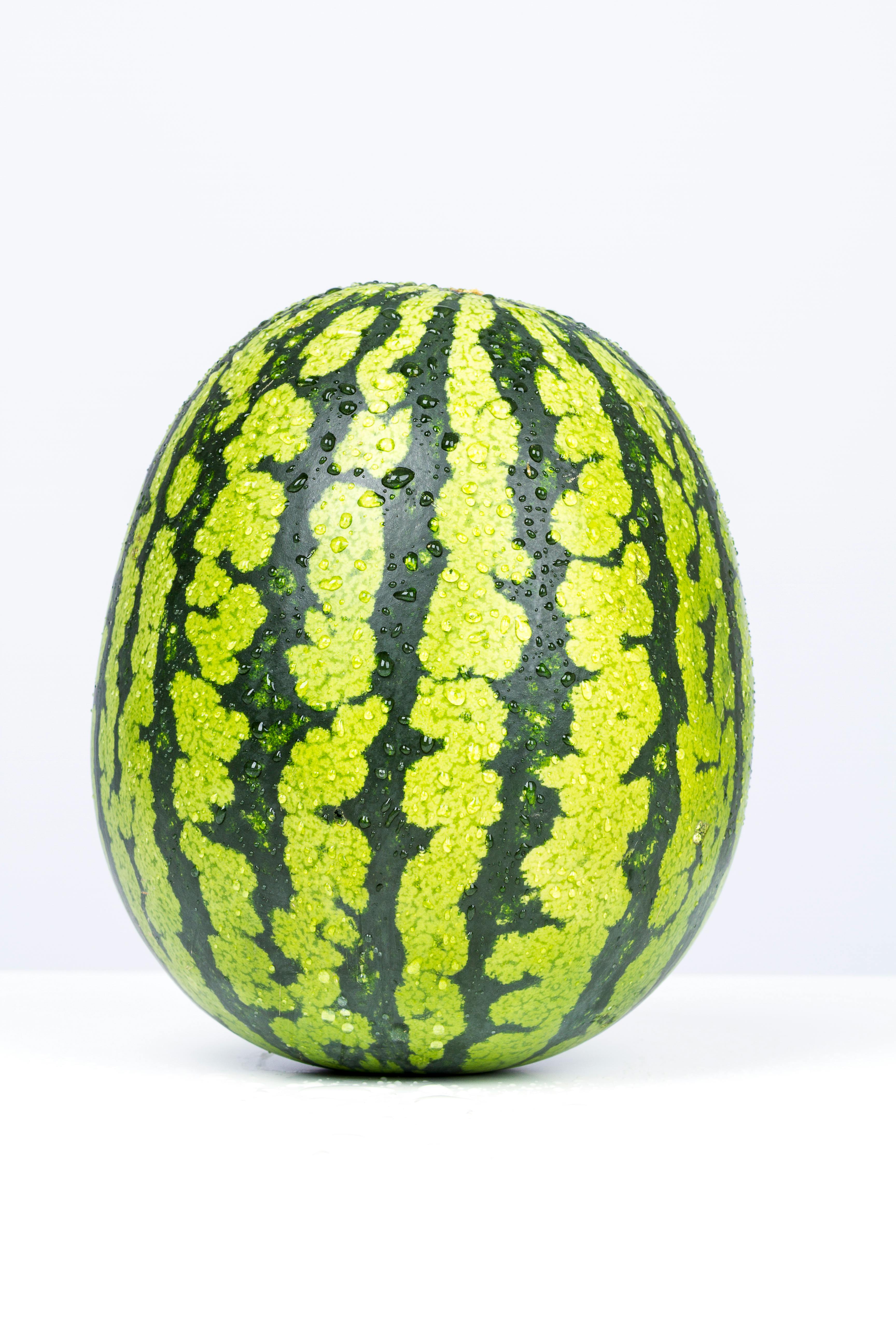
Watermelon in Hydroponic Systems
While challenging due to space requirements, growing hydroponic watermelon is absolutely possible with compact varieties and proper management. The reward is incredibly sweet, fresh watermelon year-round.
Icebox Varieties
Choose icebox or personal-sized varieties weighing 5-15 pounds. 'Sugar Baby', 'Blacktail Mountain', and 'Yellow Doll' are compact varieties suited for hydroponic growing. Seedless varieties require pollinator plants nearby.
Space and Container Requirements
Use at least 15-gallon containers for adequate root development. Vertical trellising saves floor space—train vines upward using strong supports capable of holding heavy fruit.
Pollination
Watermelons require pollination. Hand pollinate in the morning by collecting pollen from male flowers and dabbing it onto female flowers (those with a small watermelon behind the petals).
Fruit Support System
Create hammock-style supports using stretchy fabric, pantyhose, or mesh bags attached to the trellis. Support fruits when they reach softball size to prevent vine damage.
Nutrient Strategy
Start with EC 2.0-2.5 mS/cm, increasing to 2.5-3.0 during fruit development. High potassium during ripening enhances sweetness. Stop feeding 7-10 days before harvest to concentrate sugars.
Temperature Requirements
Watermelons need warm conditions—80-90°F during the day and above 65°F at night. Temperatures below 60°F slow growth and reduce fruit quality.
Determining Ripeness
Look for these ripeness signs: the tendril nearest the fruit turns brown and dry, the ground spot changes from white to cream/yellow, the skin loses its sheen, and thumping produces a hollow sound.
Keep exploring related guides
Follow the topic cluster below to discover more growing methods, troubleshooting advice, and crop-specific tutorials.