Dutch Bucket
Grow Vertical Oregano in Terracotta: Dutch Bucket Hydroponics
Learn how to oregano dutch bucket terracotta hydroponics in your apartment. Step-by-step guide with expert tips.
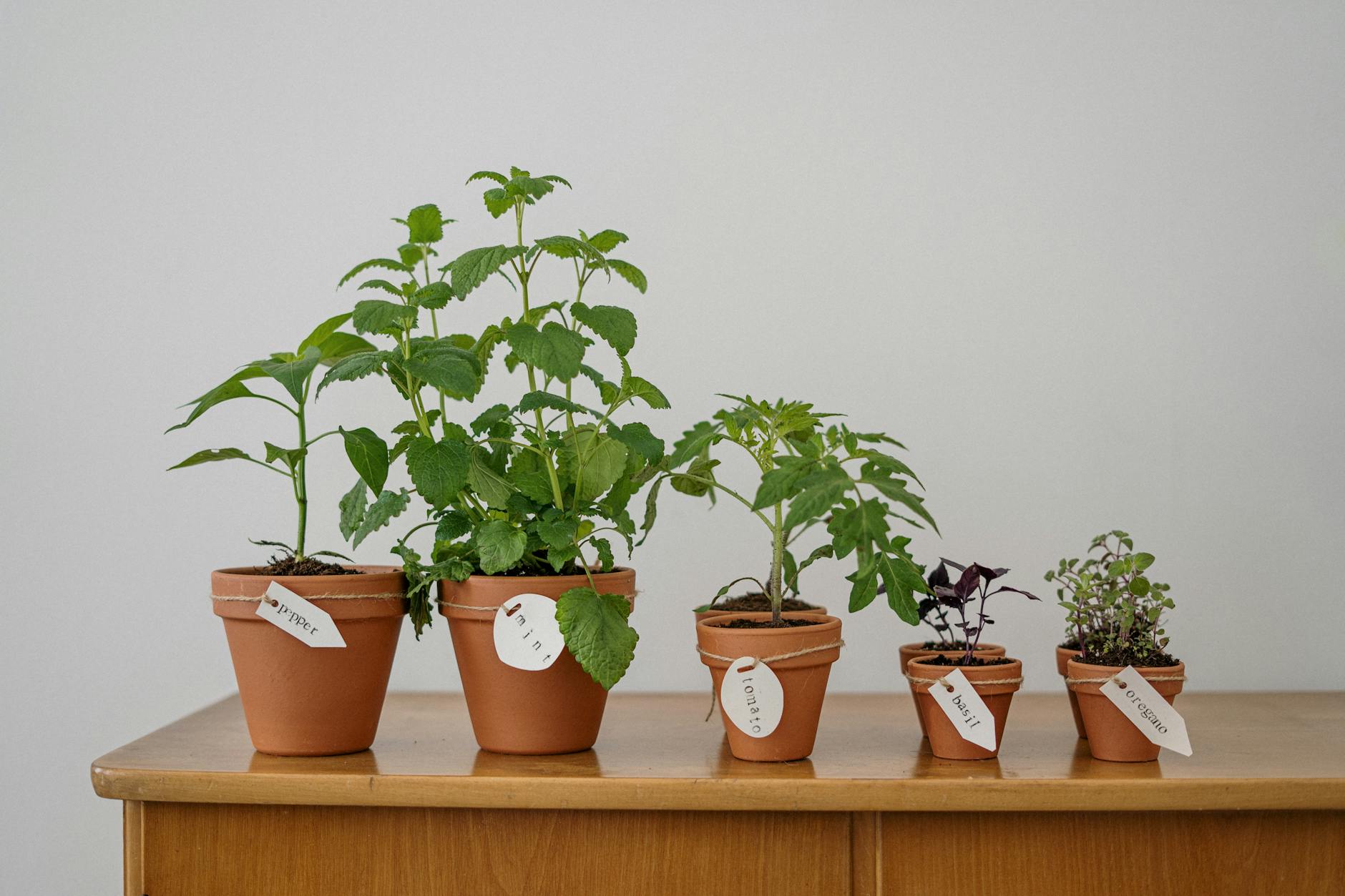
Why Oregano Does So Well with Dutch Bucket
Okay, so picture this: you're craving some homemade pasta sauce, maybe a pizza that actually tastes like Italy, and you need fresh oregano. But it's February in Chicago, and your sad window box just isn't cutting it. Been there, done that, bought the bland dried stuff. That's exactly why I started messing around with systems like the Dutch Bucket for my windowsill tomatoes, and then, naturally, thought, "Why not oregano?"
Here's the thing though, oregano actually thrives in conditions that mimic its Mediterranean homeland. It likes good drainage, lots of sun, and not being coddled. That's kinda hard to achieve in a tiny apartment, especially if you're like me and tend to overlove your plants with too much water. The beauty of a vertical growing system for hydroponic oregano, specifically using the Dutch Bucket method, is that it gives the plant exactly what it needs, when it needs it. No soggy roots, no nutrient deficiencies from depleted soil. Just consistent, happy growing.
I've personally found that the oxygenation and steady nutrient delivery that Dutch Buckets provide make oregano incredibly vigorous. We're talking bushy, fragrant plants that keep giving back. For urban gardeners, this means you can get a serious harvest from a small footprint. And if you're trying to integrate a specific aesthetic, like I often do in my Brooklyn kitchen, then an oregano dutch bucket terracotta hydroponics setup really hits the mark. It looks rustic, but performs like a modern powerhouse.
What You'll Actually Need
Don't be intimidated by "hydroponics"—it's basically just growing plants in water with nutrients, instead of soil. For this specific setup, we're going for a kind of hybrid, a little bit classy, a little bit hardcore.
Container: The Terracotta Pot
I know, I know. Terracotta and hydroponics? But hear me out. Terracotta is porous. It breathes. This is usually a pain for soil growing because it dries out fast, but for a Dutch Bucket, it means amazing airflow to the root zone that's actually separated by your growing medium. Plus, it just looks *good*. I usually go for an 8-10 inch pot for a mature oregano plant. Anything smaller and you'll be constantly root-bound and fighting for space. Don't forget a saucer or tray underneath to catch any overflow.
System: Dutch Bucket
This is where the magic happens. A Dutch Bucket system is essentially a series of containers fed by a reservoir. For our single terracotta pot, we're simplifying. You'll need:
- A small reservoir: A 1-2 gallon opaque bucket or container will work perfectly. Light hitting the nutrient solution isn't great for preventing algae.
- A submersible pump: Something small, rated for aquariums, about 40-80 GPH (gallons per hour) is plenty. You don't need a firehose here.
- Tubing: Small vinyl tubing (1/4 inch) to run from the pump to your terracotta pot.
- Drip emitter/stake: To deliver solution directly to the growing medium.
- Drainage fitting: This is a key part of the Dutch Bucket. You'll need a bulkhead fitting for the terracotta pot. It’ll allow the nutrient solution to drain back into your reservoir, creating that recirculating system. This usually means drilling a hole. Terracotta can be tricky here, so go slow with a ceramic-specific drill bit. Aim for about 1-2 inches from the bottom of the pot.
- Growing Medium: I swear by coco coir and perlite mixed 50/50. It drains well, holds enough moisture, and provides good aeration. Clay pebbles (hydroton) also work well, especially if you're starting from seed or cutting.
- Net pot (optional): If you're starting from a seedling or cutting, a small 2-inch net pot can be placed inside the larger terracotta pot, filled with hydroton, to anchor the plant while roots develop. Check out my guide on regrowing oregano from cuttings – those make great starts!
- Nutrients: A good quality hydroponic nutrient solution designed for herbs/vegetative growth. I've had great luck with General Hydroponics FloraSeries. Just make sure to follow their "aggressive vegetative" or "mild vegetative" recommendations – oregano isn't a super heavy feeder.
- pH testing kit/meter: Crucial! Oregano likes its pH between 5.8 and 6.5.
- Timer: To control your pump cycles.
The Growing Process, Step by Step
Month 1: Seedling to Settler
You can start from seed or a cutting. I usually opt for cuttings because they're faster. If you're using seeds, start them in rockwool cubes or coco coir pellets. Once they have a few true leaves and some decent roots peeking out, they're ready.
- Prep the pot: Drill that drainage hole in your terracotta pot. Install the bulkhead fitting an inch or two from the bottom. This creates a small reservoir at the bottom of the pot, which prevents roots from drying out immediately if your pump ever fails.
- Fill the pot: Place a layer of your coco coir/perlite mix at the bottom. Insert your established oregano seedling or cutting. Gently fill around it with more medium, leaving about an inch of space from the rim. If you're using a net pot, place the net pot with the plant inside the terracotta pot, then surround it with your main growing medium.
- Connect the system: Place your reservoir bucket below or beside your terracotta pot. Run the return line from the bulkhead fitting back into the reservoir. Put your pump in the reservoir, run the supply line up to your terracotta pot, and secure the drip emitter near the base of your oregano plant.
- First Feed: Mix your hydroponic nutrients according to the directions for seedlings/young plants. Check the pH and adjust to around 6.0. Fill the reservoir.
- Pump Cycles: For young plants, especially with coco coir, I start with 15 minutes on, 45 minutes off, during daylight hours. As the plant grows, you might increase to 30 minutes on, 30 minutes off. At night, it's usually off or minimal, depending on how quickly your medium dries out.
- Light: Oregano is a sun worshipper. Give it at least 6-8 hours of direct light. A south-facing window is great; otherwise, a grow light is a must. Last March, my first oregano batch in a terracotta pot got leggy because I skimped on light – lesson learned the hard way!
Months 2-3: Vegging Out
This is where your oregano really takes off. You'll see rapid growth and the plant will start to bush out.
- Nutrient Maintenance: Change out your reservoir solution completely every 1-2 weeks. Top off with fresh water (and a little nutrient solution) as needed between changes. Always check and adjust pH after adding water or nutrients.
- Pruning: Don't be afraid to prune! Pinch back the top few sets of leaves to encourage branching. This is key for a bushy plant. I even wrote a little bit about companion planting oregano with peppers to encourage better growth and flavor, and regular pruning is part of that deal.
- Root Watch: Periodically check the roots. They should look white and healthy. Any browning or sliminess means something's off – usually too much water, too high nutrient concentration, or algae in the reservoir.
Months 4-6: Peak Production
By now, you should have a formidable oregano plant. It'll be fragrant, full, and ready for continuous harvesting.
- Consistent Care: Continue with nutrient solution changes, pH monitoring, and light cycles.
- Harvesting: Harvest about a third of the plant at a time. Cut stems just above a leaf node, and it will branch out from there. The more you harvest, the more it grows, up to a point!
- Flowering: Oregano will eventually flower. The flowers are edible and attract pollinators if you put it outside. Many people prefer the flavor before it flowers, so if you want maximum potency, harvest frequently to prevent it from going to seed.
Mistakes I've Made (So You Don't Have To)
Oh, believe me, I've made plenty. My journey to becoming a micro-gardener has been paved with dead plants and "oops" moments.
- Forgetting pH: This was my biggest rookie error. I figured, "It's just water and nutrients, right?" Wrong. The pH determines if your plant can actually absorb those nutrients. One time, my oregano was looking sickly, yellowing leaves, slow growth. I ignored my pH reader for weeks thinking it was some fancy disease. Turns out, the pH was way too high, locking out essential micronutrients. Once I adjusted, green monster! Always, always check your pH.
- Over-fertilizing: More isn't always better. Especially with herbs, they don't need a ton of concentrated nutrients. I scorched a beautiful oregano plant once, thinking I was giving it a "boost." Leaves turned brown and crispy. Stick to the recommended dilutions, maybe even start a little lighter.
- Algae in the reservoir: If your reservoir isn't opaque, sunlight can hit the nutrient solution, leading to algae. Algae competes with your plant for nutrients and oxygen. I ended up with a slimy green mess in my first setup and had to completely clean it out and restart. Now, I only use opaque reservoirs and make sure no light gets in.
- Poor drainage setup: The first time I tried a DIY Dutch Bucket, I didn't get the drainage fitting just right. It either leaked everywhere or the drain tube got clogged, causing the basin to overfill and roots to rot. Take your time with that bulkhead fitting! A good seal is everything.
Little Things That Make a Big Difference
- Air circulation: Even indoors, good air movement prevents fungal issues and strengthens stems. A small oscillating fan running on low for a few hours a day can do wonders.
- Reservoir Cleaning: Beyond just changing the water, give your reservoir a scrub every month or so. Algae and mineral buildup can become an issue.
- Root Pruning: If your plant is super established after 6 months or more, you can lightly prune the roots. Just pull it out of the pot and trim off about 1/4 of the oldest roots. It encourages new growth and keeps the plant vibrant.
- Temperature: Oregano likes warmth, ideally between 65-80°F (18-27°C). Avoid cold drafts or placing it too close to a blasting heater.
- Smell: Don't underestimate the power of smell. A healthy oregano plant should have a robust, pungent aroma. If it's faint or "off," something's likely amiss.
When to Harvest and What to Expect
You can start harvesting pretty early, once the plant is established and has at least 6-8 sets of leaves. For the best flavor, aim to harvest in the morning after the dew has dried but before the sun gets too intense. The essential oils are at their peak then.
You'll get continuous harvests for months, even well over a year with this oregano dutch bucket terracotta hydroponics setup. Expect your home-grown oregano to be way more potent and flavorful than anything you buy dried from the store. This isn't just about saving money; it's about superior flavor for your cooking. I dry a lot of mine in a dehydrator or just hang it upside down in a dark, airy spot. The aroma is just incredible. Trust me, once you go fresh hydroponic oregano, there's no going back!
So, go on, give it a try. Your pizza will thank you.
Keep exploring related guides
Follow the topic cluster below to discover more growing methods, troubleshooting advice, and crop-specific tutorials.