Dutch Bucket
Complete Guide to Hydroponic Nightshades: Tomatoes, Peppers, and More
Master growing hydroponic nightshade family vegetables including tomatoes, peppers, eggplants, and tomatillos with our comprehensive cultivation guide.
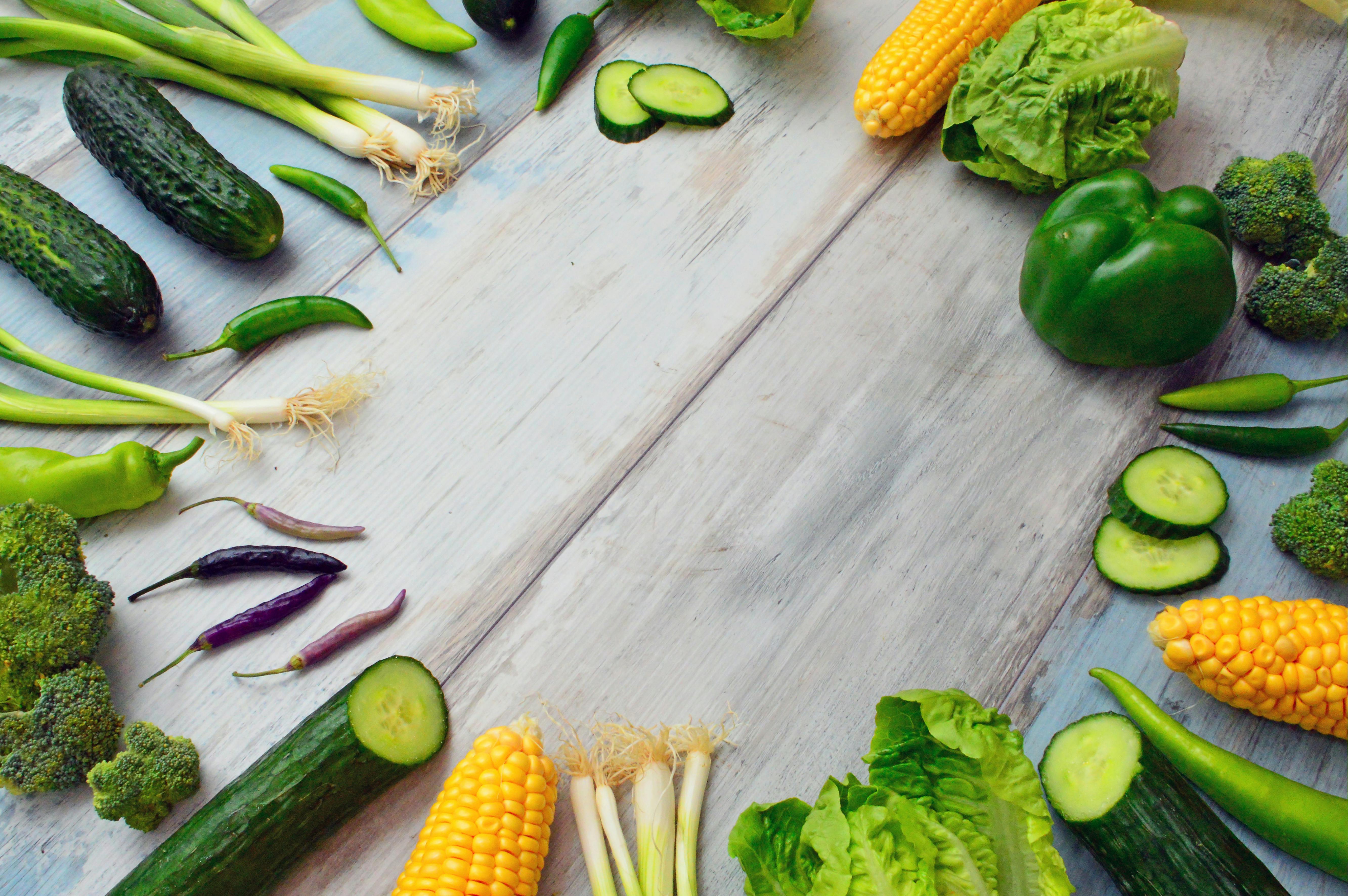
The nightshade family (Solanaceae) includes some of the most popular and productive hydroponic crops, from juicy tomatoes and colorful peppers to glossy eggplants and tangy tomatillos.
Understanding Nightshade Family Crops
Nightshades share common characteristics that make them excellent hydroponic candidates: they're warm-season crops with substantial nutrient requirements, benefit from controlled environments, and produce abundant harvests when properly managed.
Optimal Growing Systems
Dutch bucket systems are the gold standard for nightshade production, providing excellent drainage, root support, and easy nutrient management. Deep water culture works for compact varieties, while drip systems excel in commercial settings.
Common Nutrient Requirements
All nightshades are heavy feeders requiring balanced nutrition with emphasis on calcium to prevent blossom end rot. Transition from nitrogen-rich solutions during vegetative growth to potassium-heavy formulas during flowering and fruiting.
Temperature and Light
Nightshades require warm temperatures (65-85°F) and abundant light (14-18 hours daily). Eggplants prefer the warmest conditions, while tomatoes and peppers tolerate slightly cooler temperatures during fruiting.
Pollination Strategies
Tomatoes and peppers are self-pollinating but benefit from vibration. Eggplants require gentle flower manipulation. Tomatillos need cross-pollination from separate plants.
Disease Prevention
Nightshades share susceptibility to certain diseases. Maintain good air circulation, avoid leaf wetness, and practice crop rotation between growing cycles to minimize disease pressure.
Companion Planting in Hydroponics
While traditional companion planting doesn't apply directly, growing multiple nightshade varieties in the same system is practical as they share similar nutrient and environmental requirements.
Keep exploring related guides
Follow the topic cluster below to discover more growing methods, troubleshooting advice, and crop-specific tutorials.