Dutch Bucket
Growing Hydroponic Melons: Cantaloupe and Honeydew Production
Master hydroponic melon production with our complete guide covering fruit support, sugar development, and harvesting techniques for sweet cantaloupe and honeydew.
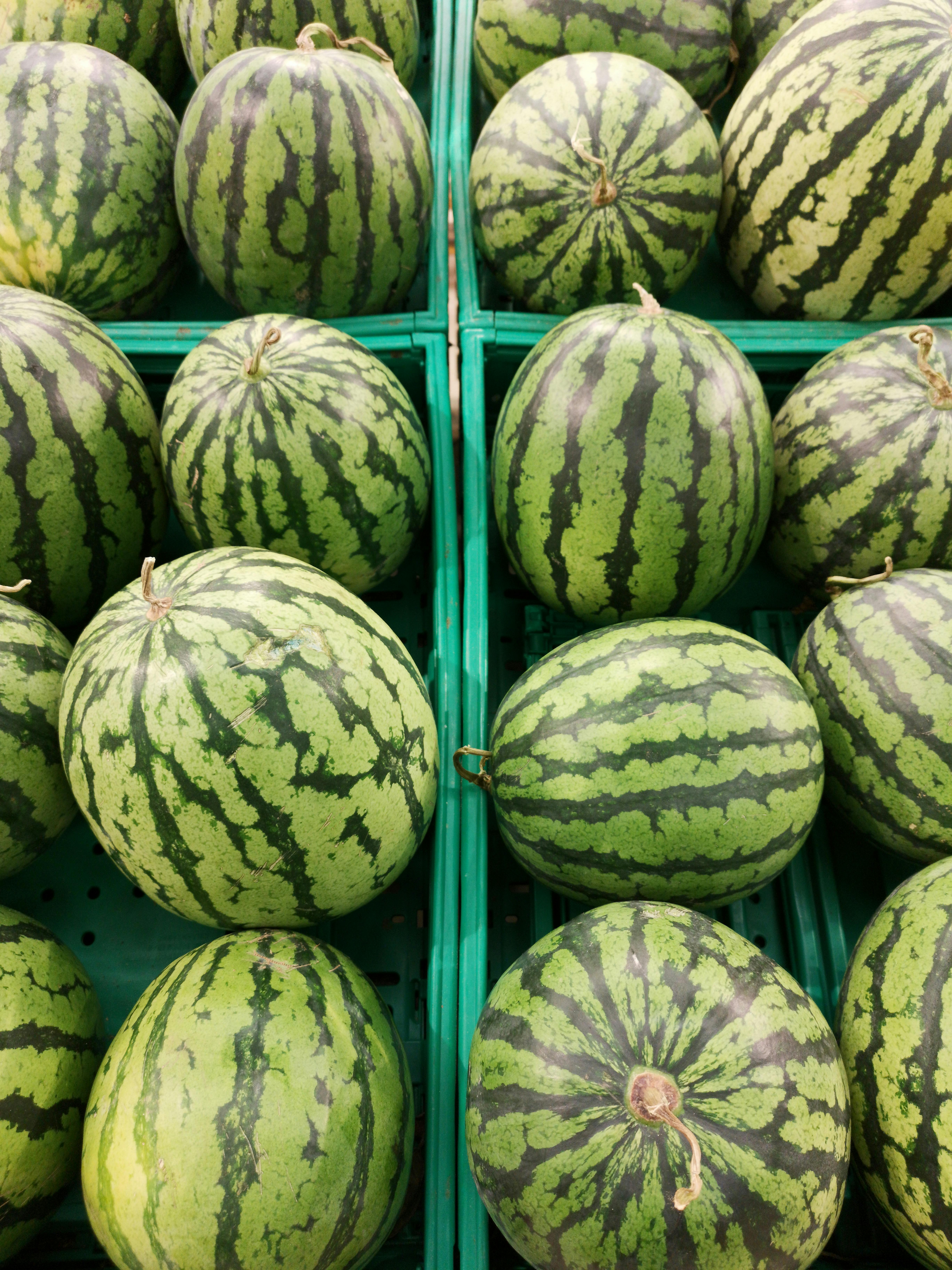
The Sweet Challenge of Hydroponic Melons
Growing melons hydroponically offers superior flavor and year-round availability. While more challenging than cucumbers, proper management produces incredibly sweet fruits with Brix levels exceeding field-grown melons.
Variety Selection
Choose compact or personal-sized varieties for indoor growing. 'Minnesota Midget' cantaloupe and 'Sugar Cube' produce 2-4 pound melons perfect for single servings. 'Haogen' is an excellent hydroponic honeydew variety.
System Setup
Dutch buckets with drip irrigation work best for melons. Use at least 10-gallon containers. Strong trellising is essential—melon fruits are heavy and require support as they develop.
Pollination
Melons require pollination to set fruit. Hand pollinate by transferring pollen from male to female flowers. Female flowers have a small melon-shaped swelling at the base.
Fruit Support
As melons develop, support each fruit with a mesh sling or stretchy fabric tied to the trellis. Without support, developing fruits can pull vines down or detach prematurely.
Nutrient Management for Sweetness
Maintain EC of 2.0-2.5 mS/cm during vegetative growth, increasing to 2.5-3.0 during fruiting. Reduce nitrogen and increase potassium as fruits mature to concentrate sugars. Stop feeding 1 week before harvest.
Temperature for Sugar Development
Warm days (80-90°F) and cooler nights (65-70°F) create the temperature differential that maximizes sugar accumulation. Consistent warm temperatures produce bland fruit.
Ripeness Indicators
Cantaloupes slip from the vine when ripe—the stem separates easily with light pressure. Honeydews change from green to cream color and develop a sweet aroma. Thump test produces a hollow sound when ripe.
Keep exploring related guides
Follow the topic cluster below to discover more growing methods, troubleshooting advice, and crop-specific tutorials.