Dutch Bucket
Growing Hydroponic Cucumbers: High-Yield Vine Production Guide
Master hydroponic cucumber production with our complete guide covering trellising, pollination, nutrient management, and harvesting for abundant yields.
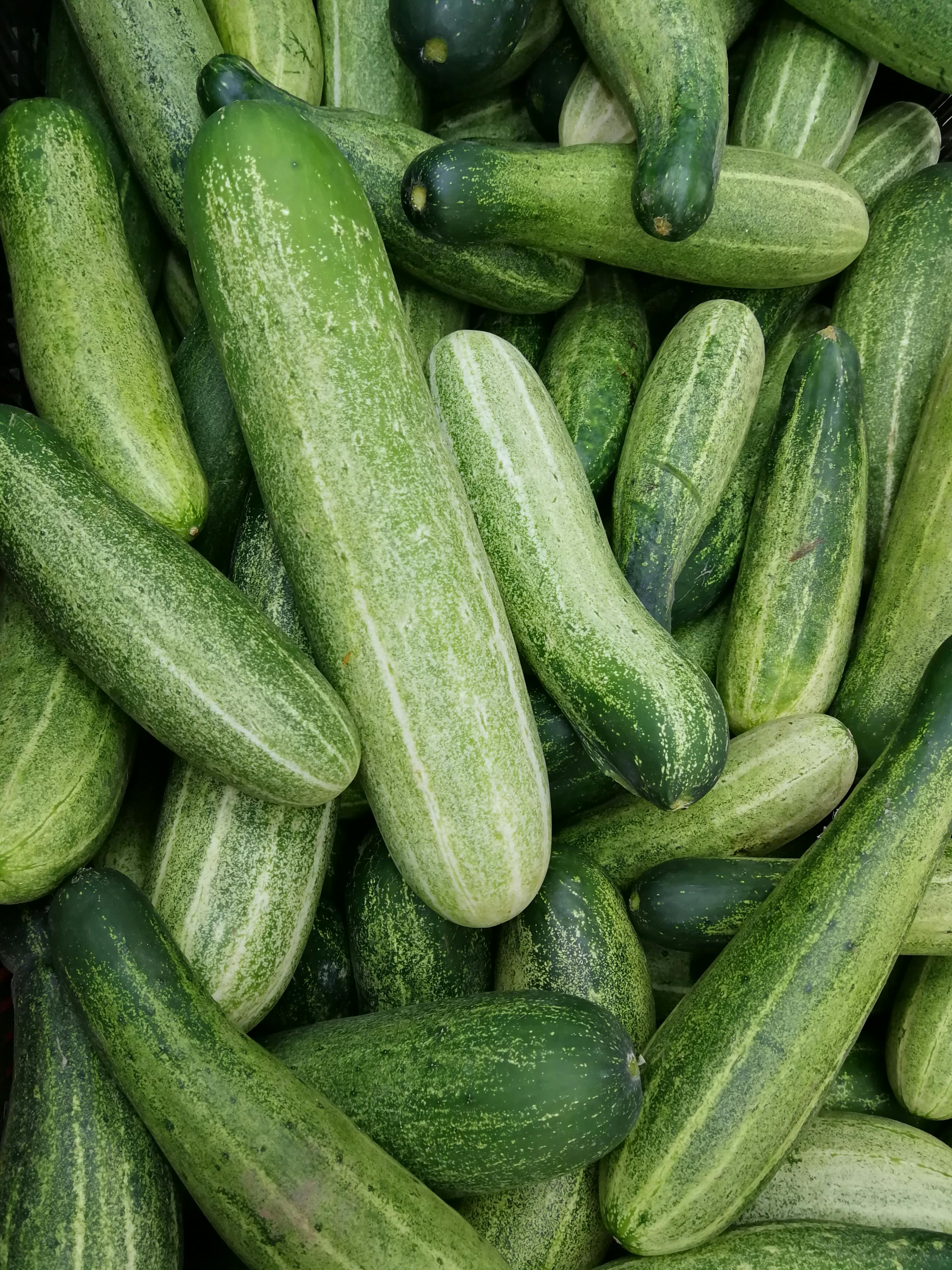
Why Hydroponic Cucumbers Excel
Cucumbers are among the most productive hydroponic crops, with a single plant producing 20-50 fruits per season. Hydroponic systems eliminate soil-borne diseases and provide the consistent moisture cucumbers crave.
Variety Selection
Choose parthenocarpic (seedless) varieties for indoor growing—they dont require pollination. 'Tyria', 'Socrates', and 'Picolino' are excellent hydroponic choices. English cucumbers produce long, thin-skinned fruits ideal for fresh eating.
System Requirements
Dutch buckets are the preferred system for cucumbers, providing adequate root space and drainage. Drip systems offer precise water delivery. Avoid DWC as cucumbers are susceptible to root rot in standing water.
Nutrient Management
Cucumbers are heavy feeders requiring EC levels of 2.2-2.7 mS/cm. Maintain pH between 5.5-6.0. Increase potassium during fruiting for better fruit quality and shelf life.
Temperature and Humidity
Optimal temperatures range from 75-85°F (24-29°C) during the day and 65-70°F at night. Maintain humidity around 60-70%. Good air circulation prevents powdery mildew.
Trellising Systems
Cucumbers require vertical support to maximize space and fruit quality. Use string trellising with the umbrella or high-wire system. Train vines upward, removing lower leaves and side shoots as plants grow.
Pruning for Production
Remove all flowers and side shoots from the first 5-6 nodes to establish a strong plant. Above this, allow 1-2 fruits per node on the main stem. Remove older leaves to improve air circulation.
Harvesting
Harvest cucumbers when they reach variety-specific size, typically 6-12 inches depending on type. Regular harvesting every 2-3 days encourages continued production. Over-mature fruits become seedy and bitter.
Keep exploring related guides
Follow the topic cluster below to discover more growing methods, troubleshooting advice, and crop-specific tutorials.