Dutch Bucket
Growing Hydroponic Celeriac: Knobby Root Celery Production
Learn to grow hydroponic celeriac (celery root) with our comprehensive guide covering Dutch bucket systems and extended cultivation for flavorful roots.
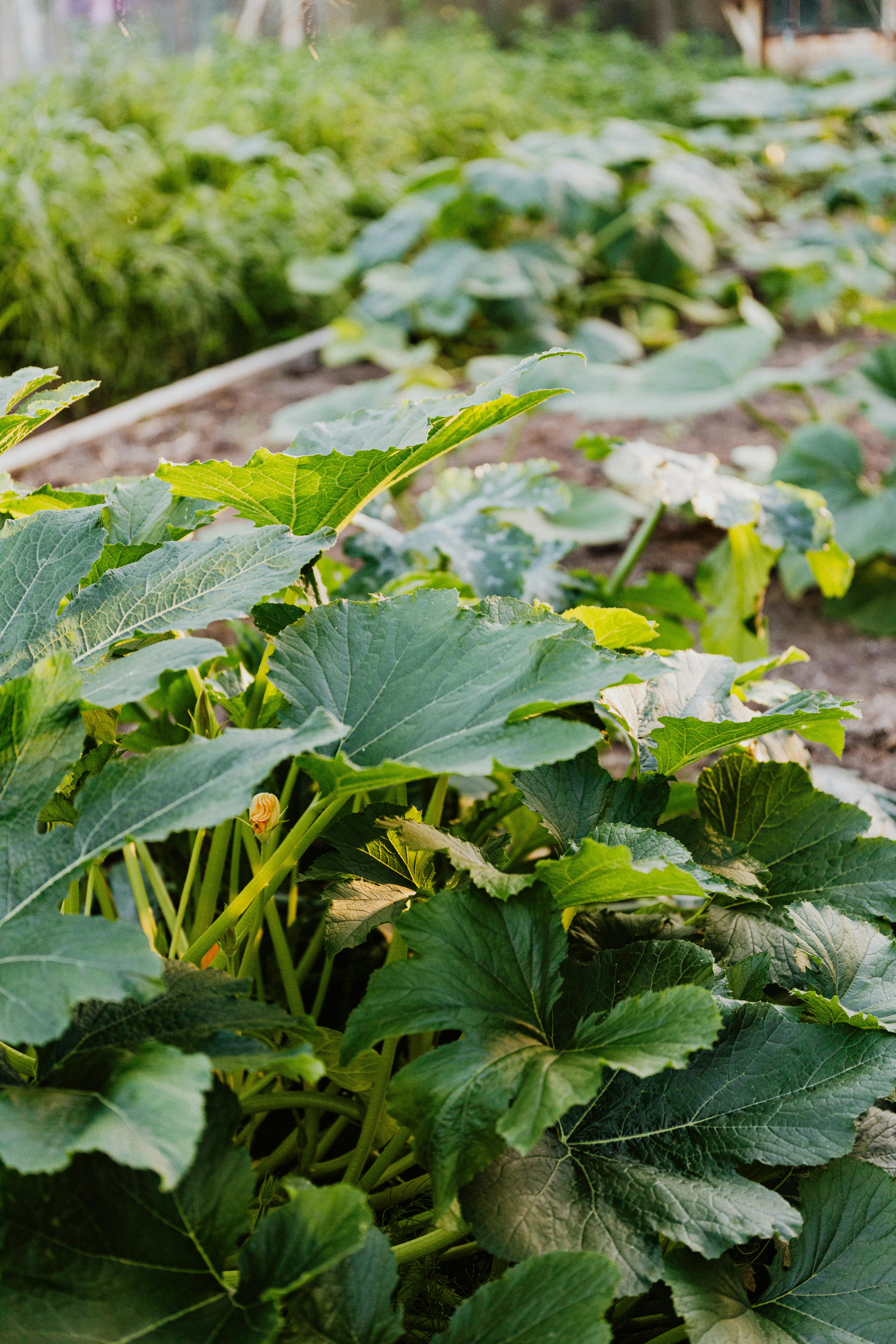
Hydroponic celeriac brings the unique, complex flavor of celery root to indoor gardens, offering patient growers an uncommon delicacy that commands premium prices and elevates winter cooking.
Understanding Celeriac
Celeriac (Apium graveolens var. rapaceum) develops a knobby, softball-sized root with concentrated celery flavor far more intense than its stalk-producing cousin. This underappreciated vegetable stars in classic dishes like celery root remoulade, purées, and gratins, while its extended storage life made it historically invaluable for winter nutrition.
In hydroponic systems, celeriac benefits from precise environmental control, producing cleaner roots with more uniform shapes than field-grown specimens often achieve.
Optimal Hydroponic Systems
Dutch Buckets for Root Development
Dutch bucket systems provide ideal conditions for celeriac production. The deep containers (5+ gallons) accommodate the substantial root system, while the media-based growing allows proper root expansion. Use perlite or expanded clay for excellent drainage essential to preventing rot in this long-season crop.
Deep Media Beds for Multiple Plants
For larger production, deep media beds (12+ inches) growing several plants work efficiently. The shared root zone and consistent moisture levels suit celeriac's preferences, though ensure adequate spacing of 12 inches between plants for proper root development.
Seed Starting Challenges
Celeriac seeds require patience—germination takes 14-21 days at optimal temperatures of 60-70°F. Surface sow tiny seeds on moist medium, as they need light for germination. The extended juvenile phase means starting seeds 10-12 weeks before transplanting to hydroponic systems.
Maintain consistent moisture during germination without waterlogging. Seedlings grow slowly initially, requiring 8-10 weeks to reach transplant size. This extended nursery phase challenges growers but rewards patience with superior roots.
Growing Conditions and Management
Celeriac performs best in cool conditions, thriving at 60-70°F (15-21°C). Higher temperatures stress plants and can cause hollow, pithy roots. Provide 12-14 hours of moderate light (200-300 PPFD), avoiding the intense light levels that suit fruiting crops.
Maintain consistent moisture throughout the long growing season. Fluctuating water availability causes cracking and affects flavor development. The slow, steady growth pattern requires patience but produces superior results.
Nutrient Management
Celeriac has moderate but consistent nutrient demands. Maintain EC between 1.8-2.2 mS/cm throughout growth, with balanced formulations providing adequate nitrogen for foliage development and potassium for root sizing. Boron deficiency causes hollow stems and poor root development—ensure adequate micronutrient supplementation.
Unlike quick-growing crops, celeriac benefits from consistent nutrition rather than varied feeding schedules. Maintain pH between 6.0-6.5 for optimal uptake across the extended growing season.
Harvest and Storage
Harvest celeriac when roots reach 3-4 inches in diameter, typically 100-120 days from transplant. Larger roots become woody and less flavorful. Remove outer stalks and root tendrils, leaving the knobby root for storage or immediate use.
Celeriac stores exceptionally well at 32-40°F with high humidity, remaining usable for 3-6 months. This storage capacity makes it ideal for year-round production planning.
Keep exploring related guides
Follow the topic cluster below to discover more growing methods, troubleshooting advice, and crop-specific tutorials.