greenhouse
Hobby Greenhouse Gardening for Beginners
Start greenhouse gardening with confidence. Learn to choose, set up, and manage a hobby greenhouse for year-round growing success with vegetables, herbs, and flowers.
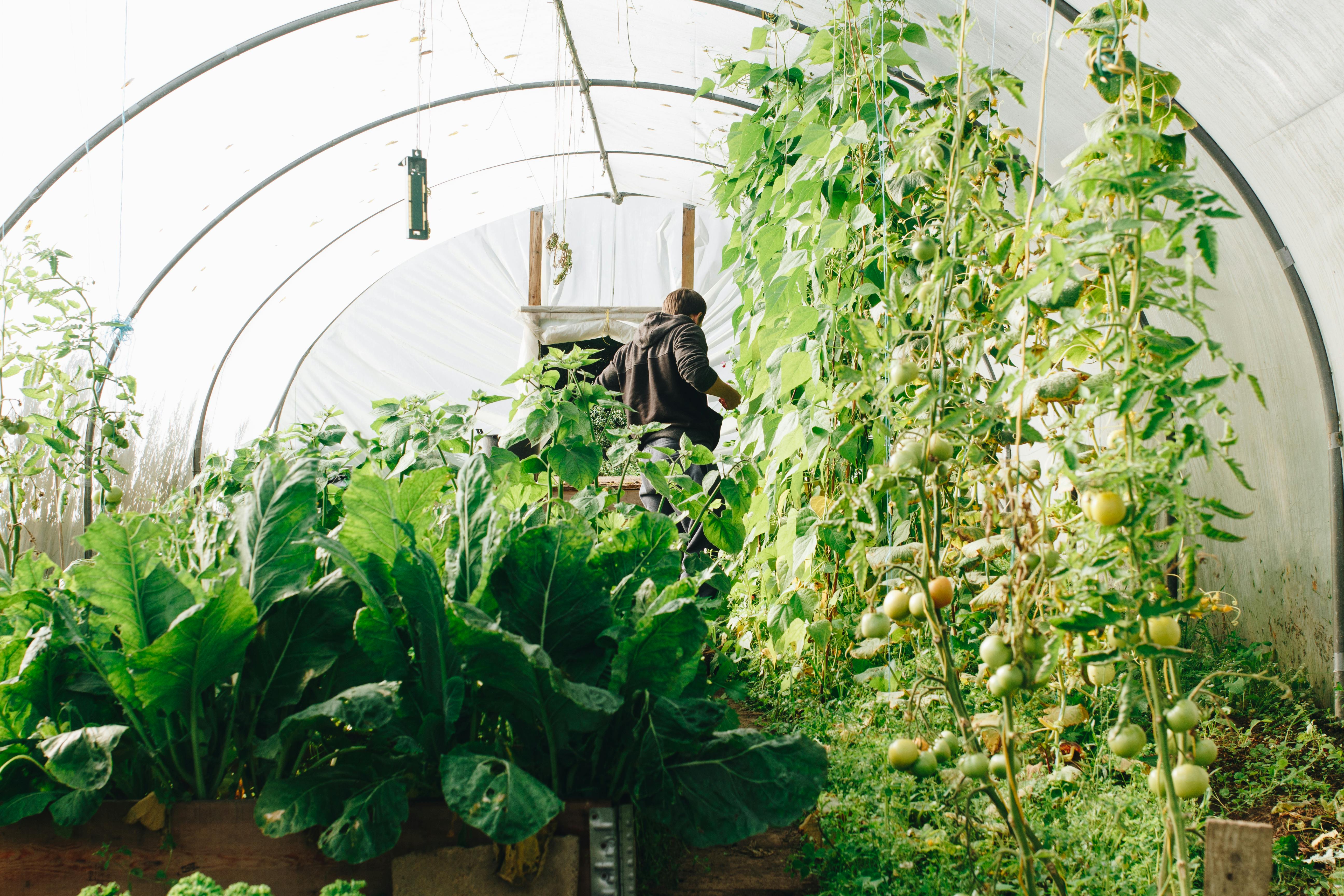
A greenhouse transforms gardening possibilities, creating controlled environments where seasons blur and plant choices expand beyond local climate limitations into year-round growing adventures.
Benefits of Greenhouse Gardening
Greenhouses offer advantages that justify their investment for serious gardeners seeking expanded growing capabilities.
Season Extension
Grow vegetables months earlier in spring and weeks later into fall. In mild climates, year-round production becomes possible with minimal supplemental heating.
Climate Control
Protect plants from excessive rain, hail, wind, and temperature extremes. This control reduces stress and disease pressure while improving crop quality.
Seed Starting
Start transplants under optimal conditions, producing healthier seedlings than windowsill growing. This capability alone often justifies greenhouse investment for serious vegetable gardeners.
Choosing a Greenhouse
Greenhouse selection involves balancing budget, space, and growing goals.
Size Considerations
Greenhouses always feel smaller once filled with plants. Choose the largest size your space and budget allow. Minimum practical size for vegetable production is 8x10 feet.
Frame Materials
Aluminum frames resist rust and require minimal maintenance. Steel offers greater strength for heavy snow loads. Wood provides natural aesthetics but requires regular maintenance.
Glazing Options
Single-layer polyethylene film costs least but requires frequent replacement. Polycarbonate panels offer excellent insulation and durability. Glass provides maximum light transmission and longevity.
Site Selection
Proper placement maximizes greenhouse performance throughout the year.
Sun Exposure
Position greenhouses to receive maximum winter sun. South-facing orientation captures low winter sun angles. Avoid shade from buildings, trees, or other obstructions.
Wind Protection
Locate greenhouses where buildings, fences, or plantings buffer prevailing winds. Wind dramatically increases heating costs and structural stress.
Access and Utilities
Consider proximity to water, electricity, and your home. Convenient access encourages regular attention to plants. Plan pathways for wheelbarrow access during busy seasons.
Essential Environmental Controls
Managing greenhouse climate requires attention to temperature, humidity, and air movement.
Ventilation
Adequate ventilation prevents overheating and reduces disease pressure. Roof vents release hot air while side vents admit cooler replacement air. Automatic vent openers prevent disasters.
Heating Options
Electric heaters offer clean, thermostatically controlled heat for small greenhouses. Propane or natural gas heaters cost less to operate for larger spaces. Backup heating prevents crop loss during power outages.
Cooling Strategies
Shade cloth reduces summer heat gain by 30-50%. Evaporative coolers lower temperatures in dry climates. Exhaust fans remove hot air when natural ventilation proves insufficient.
Growing Systems
Different growing methods suit different crops and management styles.
Ground Beds
Permanent in-ground beds work well for long-season crops like tomatoes. Amend native soil heavily or construct raised beds filled with quality growing media.
Bench Growing
Elevated benches provide convenient working height and improve drainage. Wire mesh or slat tops allow air circulation around containers. This system works well for seedlings and container crops.
Vertical Growing
Trellises and hanging baskets maximize limited floor space. Vining crops like cucumbers and tomatoes produce well on vertical supports. This approach increases production per square foot dramatically.
Watering and Irrigation
Greenhouse plants depend entirely on gardener-supplied water, requiring reliable irrigation systems.
Hand Watering
Appropriate for small greenhouses and allows individual plant attention. Use hose-end breakers or watering cans to apply water gently without disturbing soil.
Drip Irrigation
Automated drip systems ensure consistent moisture while reducing labor. Timers maintain watering schedules even during absences. This efficiency becomes essential as greenhouse size increases.
Capillary Mats
Water-absorbing mats beneath containers provide bottom watering. Plants draw moisture as needed, reducing both overwatering and underwatering. Excellent for seedling production.
Crop Selection
Choose crops that benefit most from protected growing conditions.
Warm-Season Vegetables
Tomatoes, peppers, cucumbers, and eggplants thrive in greenhouse warmth. These crops justify heating costs with extended harvests impossible outdoors.
Cool-Season Crops
Unheated greenhouses excel at winter greens production. Lettuce, spinach, and Asian greens grow actively when outdoor gardens lie dormant.
Herbs and Flowers
Year-round fresh herbs become possible with minimal heating. Cut flowers for market or pleasure extend the gardening season beautifully.
Pest and Disease Management
Enclosed environments can harbor pest populations if not carefully managed.
Prevention Strategies
Screen vents to exclude flying insects. Inspect new plants carefully before introduction. Maintain clean growing areas free of debris where pests hide.
Biological Controls
Beneficial insects thrive in greenhouse environments. Release predatory mites, parasitic wasps, or ladybugs for ongoing pest suppression without chemicals.
Sanitation
Remove plant debris promptly. Disinfect tools and containers between crops. Annual deep cleaning reduces overwintering pest and disease populations.
Seasonal Management
Greenhouse care varies dramatically between summer and winter operation.
Summer Challenges
Preventing overheating becomes the primary concern. Maximize ventilation, apply shade cloth, and consider summer shutdown in extreme climates.
Winter Operation
Monitor heating systems regularly. Insulate north walls with bubble wrap or foam panels. Reduce watering as plant growth slows with shorter days.
Keep exploring related guides
Follow the topic cluster below to discover more growing methods, troubleshooting advice, and crop-specific tutorials.