Dutch Bucket
Growing Hydroponic Watermelons: Juicy Giants in Soilless Systems
Master hydroponic watermelon cultivation with compact varieties, high heat requirements, and fruit support techniques for sweet, juicy melons.
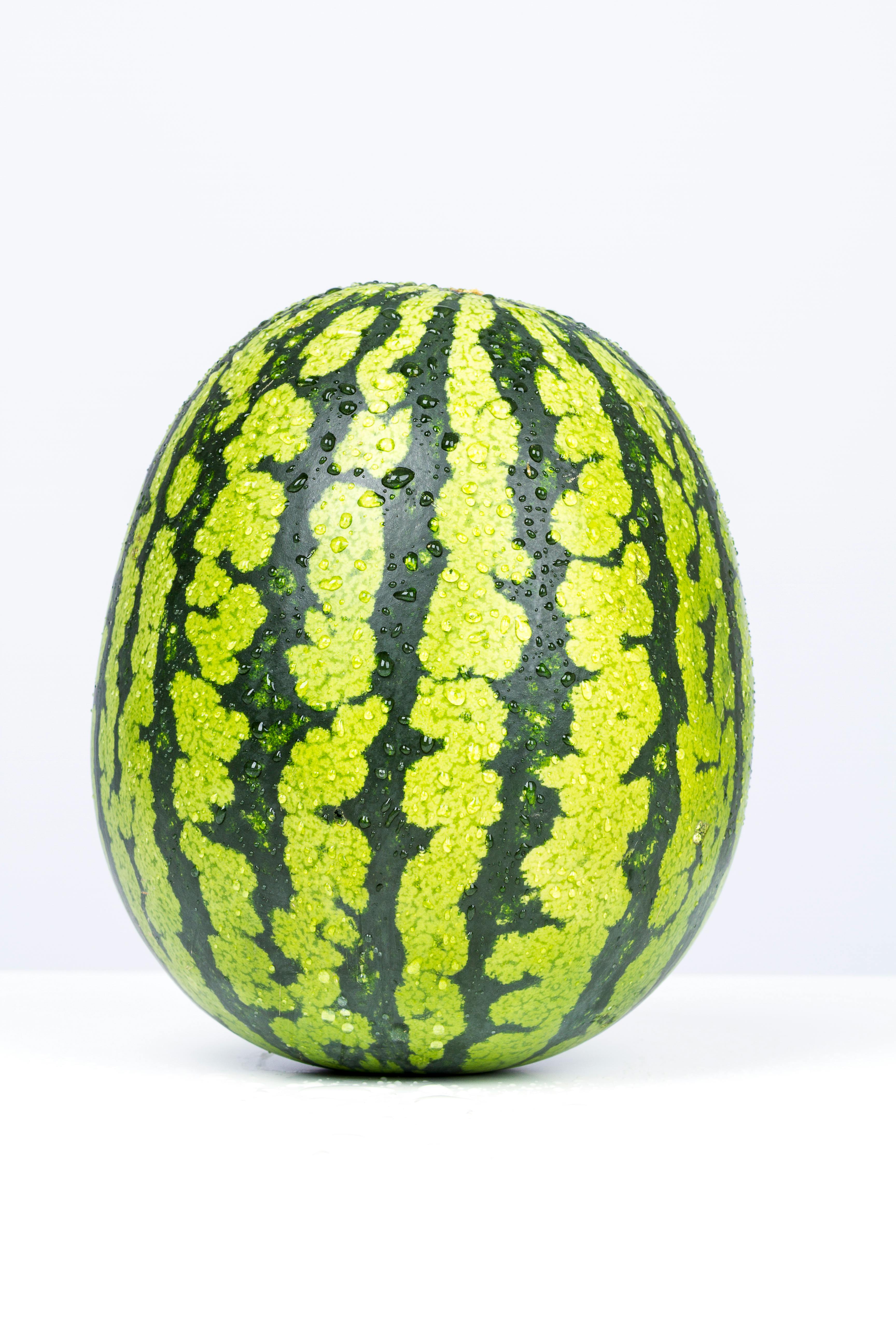
Why Grow Hydroponic Watermelons?
Growing watermelons hydroponically may seem ambitious, but smaller varieties thrive in controlled environments. The precision of hydroponic cultivation produces exceptionally sweet, juicy fruits with consistent quality.
Choosing the Right Varieties
Select compact or icebox varieties for hydroponic growing. Sugar Baby, Blacktail Mountain, and Mini Love produce 5-15 lb fruits perfect for container cultivation. Avoid large 20+ lb varieties that overwhelm home systems.
Optimal Growing Conditions
Watermelons require heat—80-90°F during the day and 70-75°F at night. They need 14-16 hours of intense light and low humidity of 40-50% to prevent disease. These are the most demanding vine crops for temperature.
Best Hydroponic Systems
Large Dutch bucket systems (10+ gallon containers) are essential for watermelons. Their extensive root systems and heavy fruits require substantial support. Commercial operations use raised beds with drip irrigation.
Nutrient Management
Watermelons are heavy feeders requiring EC levels of 2.0-2.8 mS/cm and pH of 5.8-6.2. Start with balanced nutrition, then increase potassium and reduce nitrogen during fruiting. Magnesium supports chlorophyll production in large leaves.
Pollination and Fruit Set
Watermelons produce male flowers first, followed by females 1-2 weeks later. Hand-pollinate by touching male flowers to females, or use a brush to transfer pollen. Pollinate in morning when flowers are freshest.
Support and Fruit Limits
Support developing fruits with strong mesh slings attached to sturdy structures. Limit plants to 1-2 fruits for larger melons, 3-4 for icebox varieties. This concentrates energy for maximum sweetness.
Harvesting Watermelons
Check the tendril nearest the fruit—when it turns brown and dry, the melon is ready. The ground spot should be creamy yellow, and thumping produces a hollow sound. Cut stems rather than pulling.
Keep exploring related guides
Follow the topic cluster below to discover more growing methods, troubleshooting advice, and crop-specific tutorials.