Dutch Bucket
Growing Hydroponic Tomatoes: Complete Guide to Juicy Harvests
Master hydroponic tomato growing with expert guidance on varieties, Dutch bucket systems, nutrients, and training for year-round vine-ripened harvests.
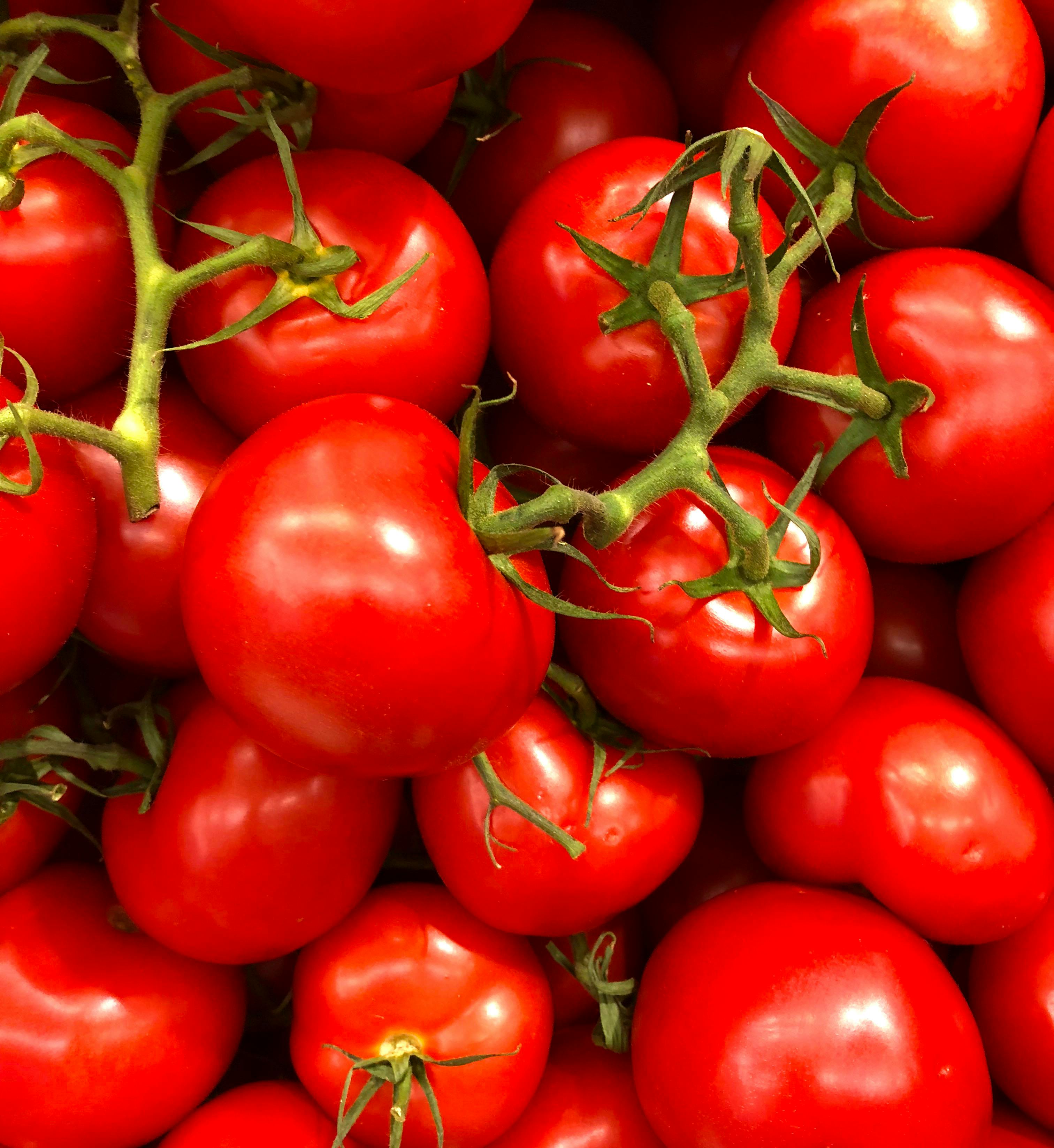
Hydroponic tomatoes produce exceptional yields of flavorful fruit, often surpassing soil-grown plants by 20-30%. With precise nutrient control and optimal growing conditions, you can harvest vine-ripened tomatoes year-round regardless of outdoor climate.
Why Grow Tomatoes Hydroponically
Commercial greenhouses worldwide choose hydroponics for tomatoes because of the remarkable consistency and yield improvements. Home growers benefit equally—hydroponic tomatoes develop better flavor through optimized calcium and potassium delivery, reducing blossom end rot and maximizing sugar content.
Best Tomato Varieties for Hydroponics
Indeterminate (Vining) Varieties are preferred for most hydroponic systems. Trust and Geronimo are commercial favorites producing large beefsteak fruits. Campari delivers exceptional sweetness in cocktail-sized fruits.
Cherry Tomatoes like Sakura and Favorita produce abundant harvests on vigorous vines. For heirloom flavor, Cherokee Purple and Brandywine adapt well to controlled environments.
Optimal System Selection
Dutch bucket systems dominate commercial hydroponic tomato production for good reason—they support large root systems and provide excellent drainage. Each plant gets its own container with recirculating nutrient solution. Drip systems work well for smaller operations.
Nutrient Management for Tomatoes
Tomatoes are heavy feeders requiring EC 2.0-5.0 mS/cm depending on growth stage. Start lower during vegetative growth, increasing as fruit develops. Maintain pH 5.5-6.5 and ensure adequate calcium (prevents blossom end rot) and magnesium (supports chlorophyll).
Training and Support Systems
Indeterminate tomatoes require vertical support using trellising or string training. Remove suckers (except the first below each flower cluster) to direct energy into fruit production. Lower and lean plants as they grow to maximize vertical space utilization.
Pollination in Controlled Environments
Without wind or bees, tomatoes need manual pollination. Gently vibrate flower clusters daily using an electric toothbrush or by tapping stems. Alternatively, introduce bumblebees for larger operations.
Common Problems and Solutions
Blossom end rot indicates calcium deficiency or irregular watering—maintain consistent nutrient delivery. Cracking results from rapid water uptake after dry periods. Control whiteflies and spider mites with biological controls in enclosed growing spaces.
Keep exploring related guides
Follow the topic cluster below to discover more growing methods, troubleshooting advice, and crop-specific tutorials.