Dutch Bucket
Growing Hydroponic Raspberries: Vertical Berry Garden Guide
Grow hydroponic raspberries indoors with Dutch Buckets and trellis. Primocane variety guide for fresh berry harvests in your apartment.
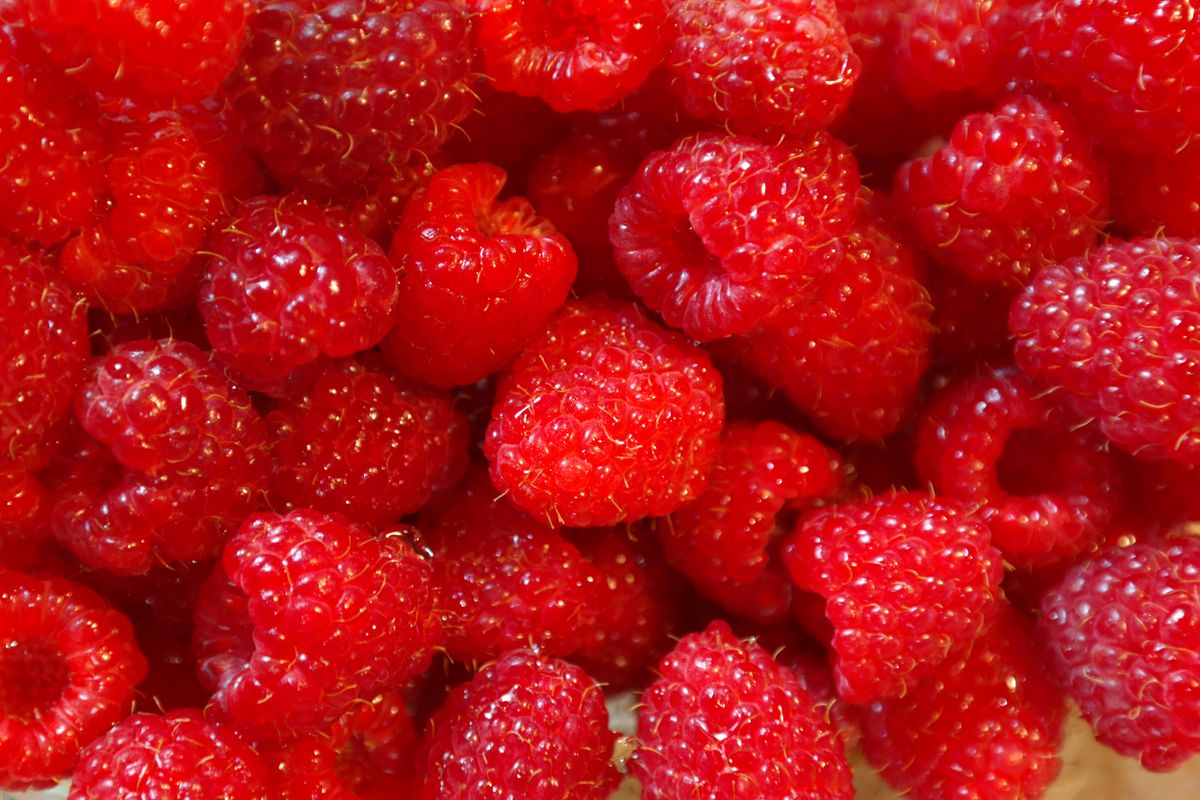
Why Hydroponic Raspberries Work Indoors
If you want to grow hydroponic raspberries indoors, you're taking on one of the more ambitious apartment berry projects — and one of the most rewarding. Raspberries are surprisingly adaptable to hydroponic culture when you choose the right varieties and provide proper support. The result is ultra-fresh berries that you simply cannot buy at any price, because ripe raspberries are too fragile to ship.
Primocane-fruiting varieties (also called everbearing or fall-bearing) are the key to indoor success. These produce fruit on first-year canes, eliminating the complex two-year pruning cycle of traditional varieties. 'Heritage' and 'Caroline' are my top recommendations — compact enough for apartments while producing reliably heavy crops.
What You'll Need
- Container: Dutch Bucket system with 5-7 gallon buckets and trellis support
- Growing medium: Perlite-coco coir mix (60/40) for excellent drainage
- Nutrients: Berry formula — EC 1.4-2.0 mS/cm
- pH range: 5.5-6.5
- Lighting: High-output LED, 16-18 hours daily
- Temperature: 65-75°F daytime, cooler nights preferred
- Trellis or bamboo stakes (canes reach 3-5 feet tall)
- Bare-root primocane plants from a nursery
Our plant spacing calculator helps determine how many buckets fit your growing area.
Step-by-Step Guide
- Days 1-7: Soak bare-root raspberry canes in water for 2-3 hours. Plant in Dutch Buckets with perlite-coco mix, burying roots 2-3 inches deep. Install trellis system immediately.
- Days 8-21: Begin with quarter-strength nutrients at pH 6.0. New growth appears from root buds within 10-14 days. Keep medium consistently moist but not saturated.
- Days 22-42: Increase to half-strength nutrients. Canes grow rapidly — 2-4 inches per week. Train canes along trellis as they grow. Remove any weak or crowded shoots, keeping 3-5 strongest canes per bucket.
- Days 43-70: Full nutrient strength. Canes should be 2-3 feet tall. Flower buds form at cane tips and along upper nodes. Hand-pollinate flowers with a soft brush for best fruit set.
- Days 71-90: Green berries develop and gradually color over 2-3 weeks. Harvest when berries pull away from the core with gentle pressure — if you have to tug, they're not ready.
- Days 90-112: Peak harvest period. Pick every 1-2 days as ripe berries deteriorate quickly. Each cane produces fruit over a 3-4 week window.
Common Mistakes to Avoid
- Wrong variety type: Floricane varieties need two years of cane growth before fruiting. Only primocane/everbearing types fruit on first-year canes, making them suitable for indoor growing.
- No trellis support: Raspberry canes are flexible and flop under fruit weight. Without proper support, canes break and fruit sits on the growing medium, inviting rot.
- Too many canes: More isn't better. Limit to 3-5 canes per bucket. Overcrowding reduces airflow and increases disease risk while producing smaller, fewer berries per cane.
- Delayed harvest: Ripe raspberries last only 1-2 days on the plant before turning mushy. Check plants daily during harvest season and pick immediately at peak ripeness.
- Ignoring airflow: Dense cane growth creates humidity pockets perfect for botrytis (gray mold). Use a fan and keep canes properly spaced and tied to the trellis.
Pro Tips for Maximum Success
- After harvest, cut spent primocanes to ground level. New canes emerge from roots for the next fruiting cycle — this is the magic of primocane varieties.
- Feed with extra potassium during fruiting (potassium sulfate supplement) to improve berry sweetness and firmness by up to 25%.
- Freeze berries immediately after harvest on a baking sheet, then transfer to bags. They retain 95% of their nutrition for up to 12 months.
- Raspberries benefit from 2-4 weeks of cold dormancy (35-45°F) between cycles to reinvigorate root systems. Even a cool closet works.
- Pollinate with a vibrating toothbrush held near flowers — the vibration mimics bee wing frequency and dramatically improves fruit set.
Expected Results & Timeline
First ripe berries appear around week 12-14 from bare-root canes. Each cane produces 1-2 cups of berries over its fruiting period. With 3-5 canes per bucket and 2-3 buckets, expect 6-15 cups of berries per harvest cycle.
Fresh-picked hydroponic raspberries have an intensity of flavor that's genuinely shocking if you've only had grocery store berries. The complex sweet-tart balance and delicate texture are completely different from anything commercial.
Raspberries take more vertical space than most apartment crops, but the payoff in ultra-premium fresh fruit is enormous. Set up a trellis system this weekend and you'll be harvesting in three months. What raspberry recipe are you most excited to try?
Keep exploring related guides
Follow the topic cluster below to discover more growing methods, troubleshooting advice, and crop-specific tutorials.