Dutch Bucket
Growing Hydroponic Blueberries: Acidic Berry Garden Guide
Grow hydroponic blueberries indoors with Dutch Buckets. Acidic berry guide with pH management, dormancy cycles, and dwarf variety selection.
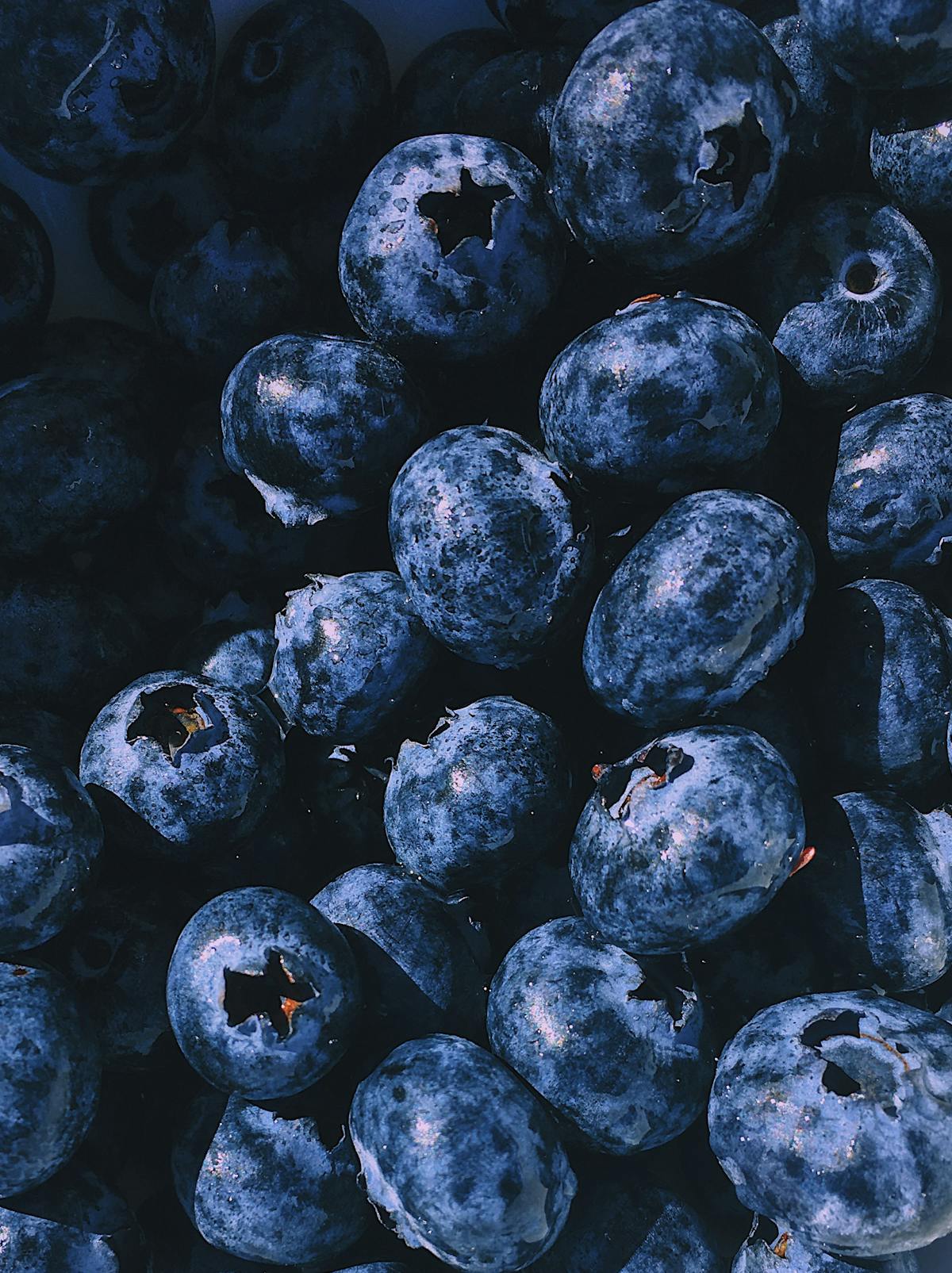
Why Hydroponic Blueberries Are Worth the Effort
Learning to grow hydroponic blueberries indoors is a longer-term commitment than most hydroponic crops, but the reward is extraordinary — fresh, organic-quality blueberries from your apartment at a fraction of grocery store prices. Blueberries are notoriously fussy about soil pH, which actually makes hydroponics the perfect solution since you can precisely control acidity levels.
The secret most growers don't realize is that blueberries need very acidic conditions — pH 4.5-5.5 — which is difficult to maintain in soil but trivially easy in a hydroponic system. Dwarf varieties like 'Top Hat' and 'Northsky' stay compact enough for apartment growing while producing surprisingly generous harvests.
What You'll Need
- Container: Dutch Bucket system with 5-gallon buckets (one plant per bucket)
- Growing medium: Peat-perlite mix (70/30) or pine bark for acidity
- Nutrients: Acidic berry formula — EC 1.0-1.5 mS/cm
- pH range: 4.5-5.5 (critical — blueberries fail outside this range)
- Lighting: High-output LED, 14-16 hours daily
- Temperature: 60-75°F growing, 32-45°F dormancy period
- Sulfur-based pH down (preferred over phosphoric acid for blueberries)
- 2-3 year old nursery plants for fastest fruiting
Use our soil volume calculator to determine the right amount of peat-perlite mix for your Dutch Buckets.
Step-by-Step Guide
- Weeks 1-2: Set up Dutch Buckets with peat-perlite mix. Transplant nursery blueberry plants, keeping the root ball intact. Water with pH 4.8-5.0 nutrient solution at quarter-strength.
- Weeks 3-6: Increase to half-strength nutrients. Blueberries establish slowly — don't panic if growth seems minimal. Ensure medium stays consistently moist but never waterlogged.
- Weeks 7-12: Full-strength nutrients. New growth appears as bright green leaves. Remove any flower buds during the first season on young plants to build a stronger root system.
- Weeks 13-18: Plants should be well-established with vigorous new growth. On mature plants (2+ years), allow flower buds to develop. Hand-pollinate flowers gently.
- Weeks 19-24: Green berries form and gradually turn blue over 2-3 weeks. Don't rush — berries need 3-5 days after turning blue to reach peak sweetness.
- Winter dormancy: Blueberries need 800-1000 chill hours below 45°F. Place in an unheated garage or balcony for 6-8 weeks in winter, reducing watering significantly.
Common Mistakes to Avoid
- Wrong pH: This is the #1 killer. Blueberries develop iron chlorosis (yellow leaves) above pH 5.5. Check pH daily and keep it at 4.5-5.5 without exception.
- Skipping dormancy: Blueberries are temperate plants that require cold exposure. Without 800+ chill hours, they won't flower properly the following season.
- Using standard nutrients: Regular hydroponic formulas have too much calcium and not enough iron for blueberries. Use acidic berry-specific nutrients with chelated iron.
- Overwatering: Despite needing moisture, blueberry roots are fine and fibrous — they suffocate in standing water. Ensure excellent drainage in Dutch Buckets.
- Harvesting too early: Berries that just turned blue are still sour. Wait 3-5 additional days after color change for sugars to develop fully.
Pro Tips for Maximum Success
- Grow at least two different varieties for cross-pollination — this increases berry size and yield by up to 40%.
- Use rainwater or RO water as your base — tap water is often too alkaline for blueberries and fights your pH adjustments.
- Add ammonium sulfate as your nitrogen source instead of nitrate-based fertilizers. Blueberries prefer ammonium nitrogen and it naturally acidifies the solution.
- Mulch the top of Dutch Buckets with pine needles to maintain surface acidity and retain moisture.
- Prune older woody branches after dormancy to stimulate fresh fruiting wood — blueberries produce best on 1-2 year old stems.
Expected Results & Timeline
Young nursery plants (2-3 years old) produce their first significant harvest in the second growing season after transplanting. Each mature bush yields 1-3 pounds of berries per season. With two plants, that's enough for fresh eating, smoothies, and freezing.
Hydroponic blueberries develop exceptional sweetness due to the precisely controlled acidic conditions. The berries are larger and more flavorful than most grocery store options, and you know exactly what went into growing them.
Blueberries are a patience game, but once established they produce for 15-20 years. Start with two dwarf varieties this season and you'll be rewarded with one of the healthiest fruits you can grow at home. Which variety catches your eye?
Keep exploring related guides
Follow the topic cluster below to discover more growing methods, troubleshooting advice, and crop-specific tutorials.