dry farming
Drought-Tolerant Vegetables for Water-Wise Gardens
Discover the best drought-tolerant vegetables that thrive with minimal irrigation. Grow productive gardens in dry climates while conserving precious water resources.
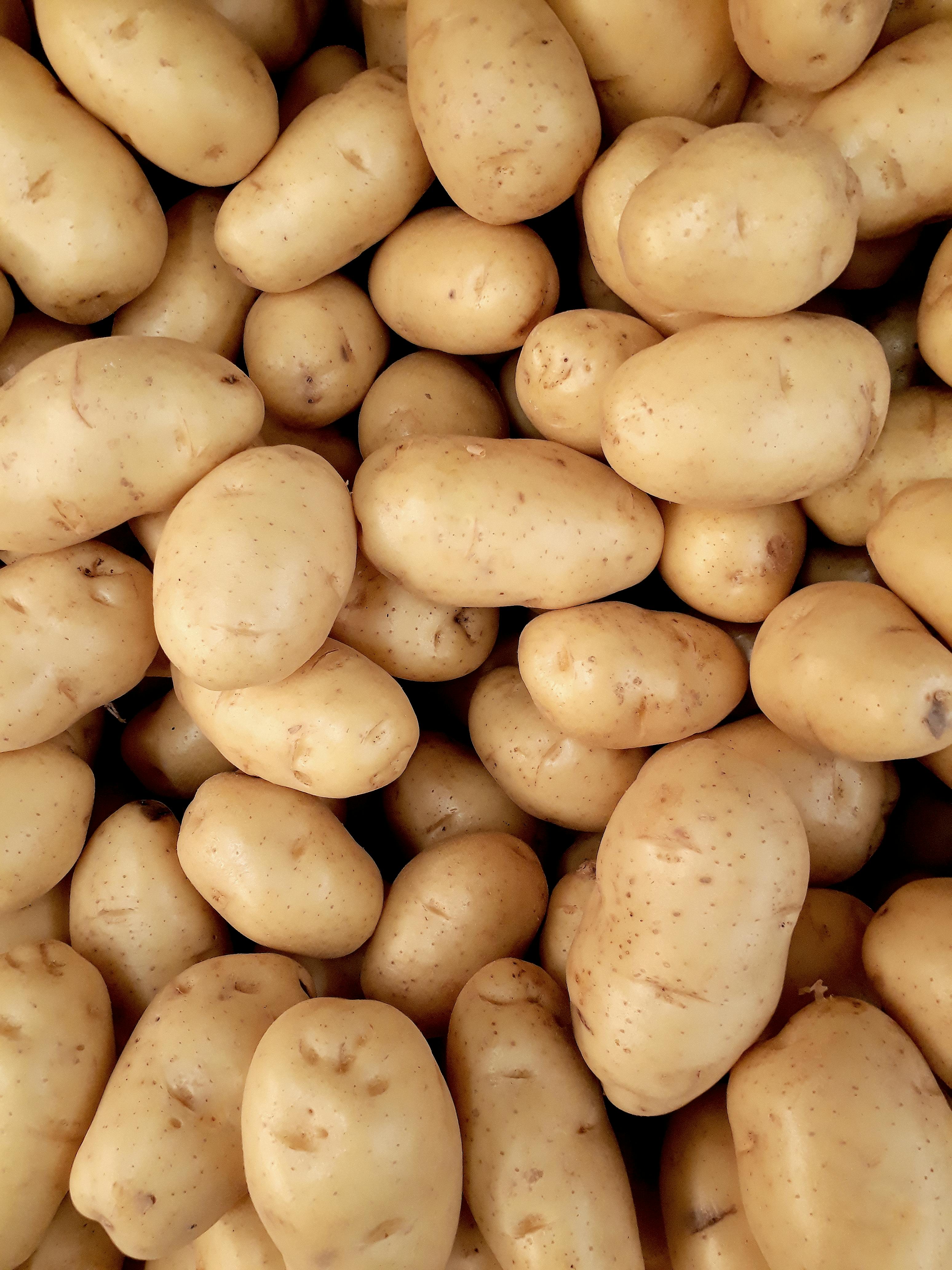
As water becomes an increasingly precious resource, gardeners are discovering that many vegetables thrive with far less irrigation than traditionally assumed, producing abundant harvests while conserving water.
Understanding Drought Tolerance in Vegetables
Drought tolerance in vegetables stems from various adaptations including deep root systems, waxy leaf coatings, and the ability to regulate water loss through specialized stomata. Understanding these mechanisms helps gardeners select and support the right crops.
Root System Adaptations
Deep-rooted vegetables access moisture unavailable to shallow-rooted crops. Tomatoes can send roots 4-6 feet deep when allowed to develop without frequent shallow watering. This natural drought response creates more resilient plants.
Leaf Modifications
Many drought-tolerant vegetables feature smaller leaves, waxy coatings, or silvery coloring that reflects sunlight and reduces water loss. These adaptations allow plants to maintain productivity during dry periods.
Top Drought-Tolerant Vegetable Varieties
Certain vegetables demonstrate exceptional performance under water-limited conditions, making them ideal choices for water-wise gardens.
Tomatoes
Dry-farmed tomatoes produce intensely flavored fruit with concentrated sugars. Paste varieties like San Marzano and Roma excel under drought conditions. Water deeply at planting, then reduce irrigation as plants establish deep roots.
Peppers
Both sweet and hot peppers tolerate dry conditions remarkably well. Their Central American origins adapted them to seasonal drought. Mild water stress actually increases capsaicin production in hot varieties.
Winter Squash
Once established, winter squash varieties including butternut, acorn, and spaghetti squash require minimal supplemental irrigation. Their extensive root systems and thick-skinned fruit store water efficiently.
Armenian Cucumbers
Unlike regular cucumbers, Armenian varieties tolerate heat and drought while continuing to produce. Their thin skins and mild flavor make them excellent for fresh eating during hot, dry summers.
Beans and Cowpeas
Tepary beans, black-eyed peas, and yard-long beans demonstrate superior drought tolerance. These legumes also fix nitrogen, improving soil for subsequent crops while requiring minimal water.
Chard and Amaranth
Both leafy greens maintain production during drought when most lettuce varieties fail. Chard sends deep taproots while amaranth thrives in heat that causes other greens to bolt.
Dry Farming Techniques
Traditional dry farming methods maximize natural soil moisture without irrigation, producing crops with intensified flavors.
Deep Soil Preparation
Work soil 12-18 inches deep before planting to break up compaction and increase moisture-holding capacity. Add organic matter to improve water retention in sandy soils and drainage in clay.
Dust Mulching
Cultivate the soil surface regularly to create a fine dust layer that breaks capillary action and prevents subsurface moisture from evaporating. This traditional technique predates modern mulching.
Wide Spacing
Give drought-stressed plants more space to reduce competition for limited moisture. Double normal spacing allows root systems to access larger soil volumes.
Water Conservation Strategies
Even drought-tolerant vegetables benefit from strategic water management that maximizes every drop.
Deep, Infrequent Watering
When irrigation is necessary, water deeply to encourage roots to grow downward seeking moisture. Frequent shallow watering creates dependent surface roots that suffer during dry periods.
Organic Mulching
Apply 4-6 inches of organic mulch to dramatically reduce evaporation while moderating soil temperatures. Straw, wood chips, and leaves all provide excellent moisture retention.
Timing and Placement
Water early morning when evaporation is lowest. Direct water to root zones rather than wetting foliage. Drip irrigation or soaker hoses deliver water exactly where plants need it.
Soil Preparation for Drought Tolerance
Healthy, well-prepared soil holds moisture longer and supports drought-resistant plant growth.
Increasing Organic Matter
Each 1% increase in soil organic matter helps soil hold an additional 20,000 gallons of water per acre. Compost, cover crops, and organic mulches build this vital resource over time.
Reducing Compaction
Compacted soil prevents root penetration and reduces water infiltration. Avoid walking on planting beds and use permanent pathways to protect soil structure.
Variety Selection Tips
Choosing appropriate varieties significantly impacts success in water-limited gardens.
Heirloom Varieties
Many heirloom vegetables developed before widespread irrigation and retain natural drought adaptations. Varieties from Mediterranean, Middle Eastern, and Southwestern origins often perform well in dry conditions.
Regional Adaptation
Seek varieties bred or selected in your region or similar climates. Local seed companies often carry varieties proven under local conditions.
Seasonal Considerations
Timing plantings to coincide with natural moisture availability reduces irrigation needs.
Cool Season Crops
Plant cool-season vegetables to mature during rainy periods when possible. Many crops including peas, lettuce, and brassicas require less supplemental water during cool, moist weather.
Summer Drought Strategies
Focus summer gardens on heat and drought-tolerant crops. Accept reduced yields from some vegetables rather than fighting natural conditions with excessive irrigation.
Keep exploring related guides
Follow the topic cluster below to discover more growing methods, troubleshooting advice, and crop-specific tutorials.