drip irrigation
Drip Irrigation Systems for Home Gardens
Learn how to install and optimize drip irrigation systems for your home garden. Save water, reduce maintenance, and grow healthier plants with efficient watering.
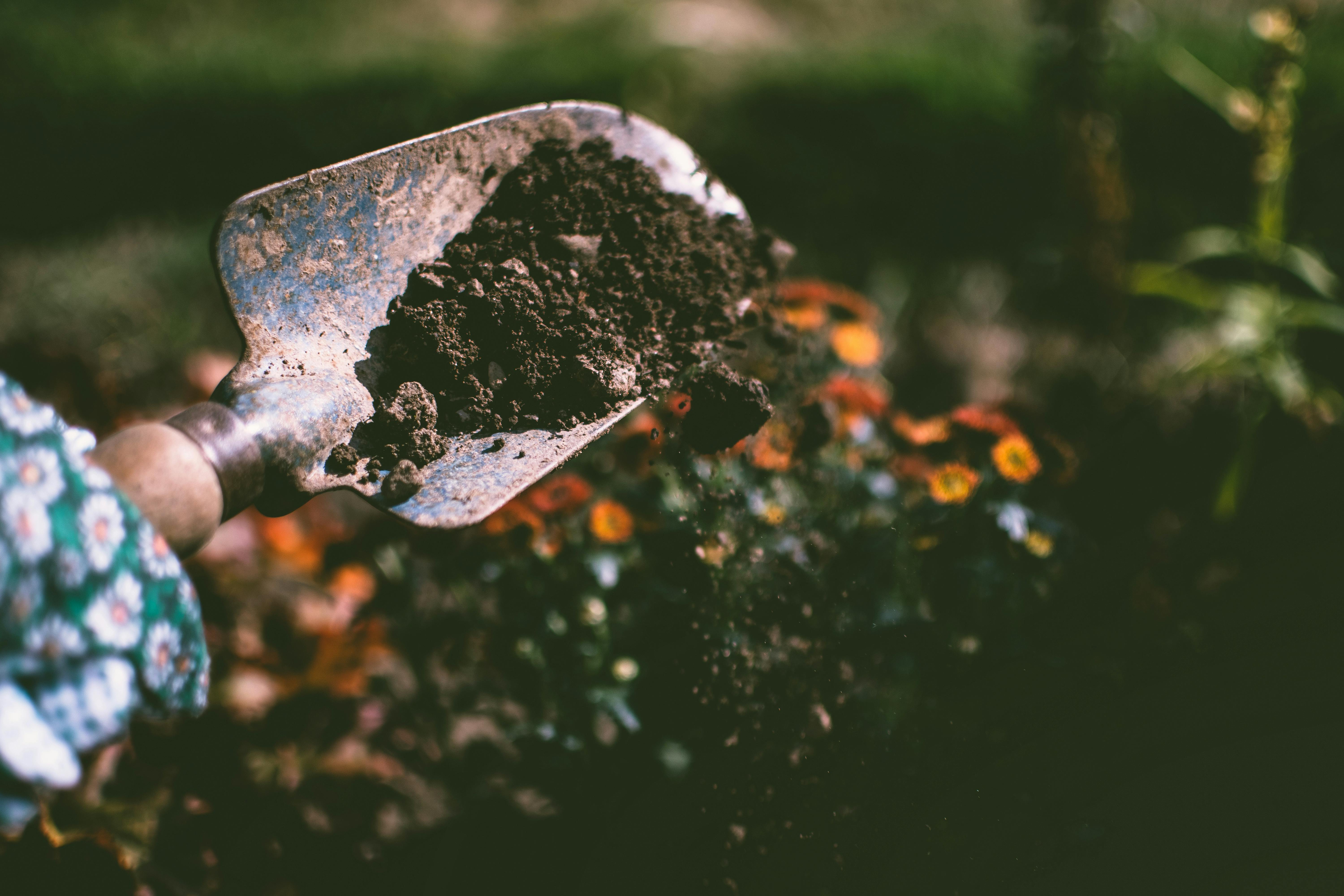
Drip irrigation represents one of the most significant advances in home gardening efficiency, delivering water precisely where plants need it while dramatically reducing waste and labor.
Understanding Drip Irrigation Benefits
Unlike traditional sprinkler systems that broadcast water across large areas, drip irrigation delivers moisture directly to the root zone of each plant. This targeted approach offers numerous advantages for home gardeners seeking both efficiency and plant health.
Water Conservation Advantages
Drip systems typically use 30-50% less water than conventional irrigation methods. By eliminating evaporation losses and runoff, every drop serves its intended purpose. This efficiency translates to lower water bills and reduced environmental impact.
Improved Plant Health
Consistent moisture delivery prevents the stress cycles caused by flooding and drought periods. Plants develop deeper, stronger root systems when water is available at optimal levels. Foliage stays dry, reducing disease pressure from fungal pathogens.
System Components and Selection
A complete drip irrigation system consists of several key components that work together to deliver water efficiently to your garden.
Main Supply Lines
Half-inch polyethylene tubing serves as the backbone of most home drip systems. This flexible tubing connects to your water source and distributes water throughout the garden. Quality tubing resists UV degradation and remains flexible in varying temperatures.
Emitters and Drip Line Options
Individual emitters insert into main lines to deliver water at specific rates, typically 0.5 to 2 gallons per hour. Pre-installed drip line with embedded emitters simplifies installation for row crops and beds. Choose emitter spacing based on soil type and plant requirements.
Pressure Regulation
Most home water systems operate at 40-60 PSI, but drip systems function optimally at 15-25 PSI. Pressure regulators protect emitters from blowing out while ensuring consistent water delivery across the entire system.
Installation Planning
Successful drip irrigation begins with thoughtful planning that accounts for your garden layout, water source, and plant needs.
Mapping Your Garden
Sketch your garden layout including all planting areas, pathways, and permanent structures. Identify the location of your water source and plan the most efficient routing for main supply lines. Group plants with similar water needs into irrigation zones.
Calculating Water Requirements
Different plants require varying amounts of water based on their size, growth stage, and environmental conditions. Vegetables typically need 1-2 inches of water weekly, while established perennials may require less. Plan emitter placement to match these requirements.
Step-by-Step Installation
Installing a basic drip system requires minimal tools and can be completed in a single afternoon for most home gardens.
Connecting to Water Source
Begin by attaching a backflow preventer to your outdoor faucet or dedicated irrigation valve. Add a filter to prevent clogging, followed by a pressure regulator. Connect the main supply line using appropriate fittings.
Running Main Lines
Lay half-inch tubing along the edges of garden beds or down the center of row plantings. Secure tubing with landscape staples every 2-3 feet to prevent movement. Use elbows and tees to navigate corners and create branches.
Installing Emitters
Punch holes in main lines using a specialized tool and insert emitters at plant locations. For vegetable gardens, space emitters 12-18 inches apart. Install emitters on both sides of larger plants like tomatoes and peppers.
Automation and Timing
Adding a timer transforms your drip system into a hands-free watering solution that maintains optimal moisture levels even during vacations.
Timer Selection
Battery-operated timers attach directly to faucets for simple automation. Smart controllers connect to WiFi and adjust watering based on weather conditions. Multi-zone timers allow different watering schedules for various garden areas.
Optimal Watering Schedules
Early morning watering between 5-9 AM minimizes evaporation while allowing foliage to dry before evening. Run systems long enough to wet soil 6-12 inches deep, typically 30-60 minutes depending on emitter flow rates and soil type.
Maintenance and Troubleshooting
Regular maintenance keeps drip systems functioning efficiently for many years with minimal effort.
Seasonal Care
Flush lines monthly during the growing season by removing end caps and running water for 1-2 minutes. Check emitters periodically to ensure proper flow. Clean or replace clogged emitters as needed.
Winterization
In cold climates, drain systems before freezing temperatures arrive. Disconnect timers and store batteries indoors. Blow out remaining water with compressed air for complete protection.
Advanced Techniques
Once comfortable with basic drip irrigation, consider enhancements that improve efficiency further.
Soil Moisture Sensors
These devices measure actual soil moisture and trigger irrigation only when needed. Smart sensors integrate with controllers to prevent overwatering during rainy periods. This technology can reduce water use by an additional 20-30%.
Fertigation Systems
Injecting liquid fertilizers through drip lines delivers nutrients directly to roots with every watering. This approach improves nutrient uptake efficiency while reducing fertilizer waste. Start with dilute solutions to prevent plant damage.
Keep exploring related guides
Follow the topic cluster below to discover more growing methods, troubleshooting advice, and crop-specific tutorials.