Raised Bed
Dill Nutrient Guide: Thriving in Raised Beds & Grow Tents
Learn how to dill raised bed nutrient management in your apartment. Step-by-step guide with expert tips.
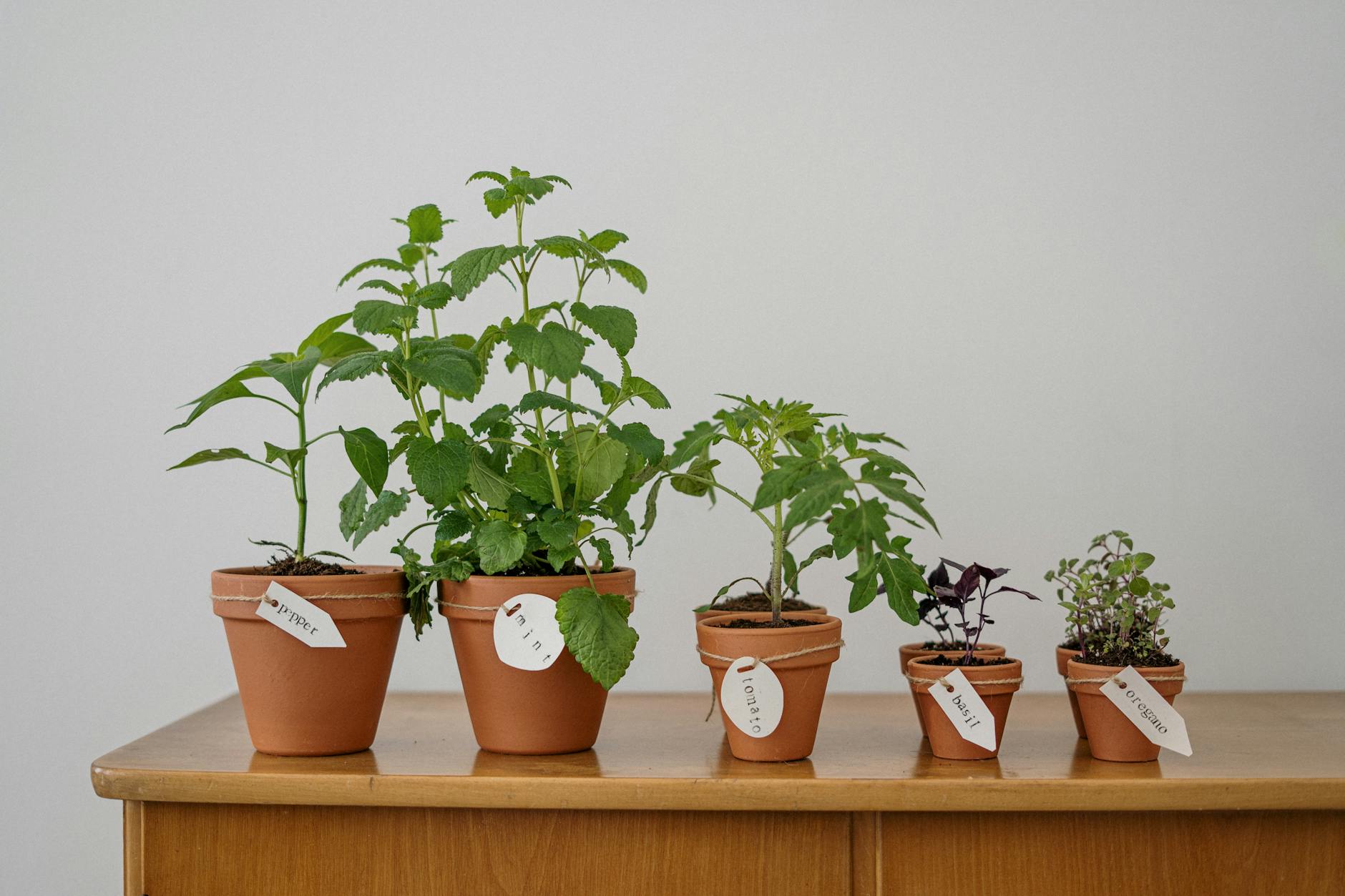
Why Dill Does So Well with Raised Beds
So, you want to grow some dill, huh? Excellent choice. Look, I’ve grown just about everything from microgreens to monstrous tomatoes in apartments ranging from a cramped studio in Brooklyn to a surprisingly spacious loft in Portland. But dill? Dill is one of those herbs that just loves a good home, and for me, that's almost always a raised bed, especially inside a grow tent.
Why a raised bed for dill, you ask? Simple. Control. We’re talking about giving those delicate roots plenty of room to stretch without getting waterlogged, which is a common problem in standard pots. Plus, managing the soil composition is a cinch. And when you bring it inside a grow tent, you get to play God with the environment, which is a seriously fun power trip for an urban gardener. You get to fine-tune everything from light to temperature to nutrients, which is exactly why we're talking about dill raised bed nutrient management today.
Honestly, I think most beginners overthink this part. It’s not rocket science, but understanding what your dill needs and when it needs it is key to having that fresh, feathery herb ready for your salmon or pickles.
What You'll Actually Need
Right, let's get down to brass tacks. What do you need to make this indoor dill dream a reality?
- Grow Tent: You're going to want one. Size depends on how much dill you want to grow. I've used everything from a 2x2 for a personal stash to a 4x4 for when I was supplying my neighbors with fresh herbs. Make sure it’s got good ventilation ports.
- Raised Bed: Not a super deep one, dill roots aren't exceptionally long, but give it at least 8-10 inches of depth. You can DIY one with untreated wood or pick up a fabric raised bed. I've had great luck with the Vivosun fabric beds – they're breathable and surprisingly durable. For insights on building one, check out my guide on building and planting raised beds.
- Growing Medium: This is crucial for dill raised bed nutrient management. I swear by FoxFarm Ocean Forest for starting mixes – it’s got enough good stuff to get them going without burning. Once they're a bit bigger, I like to mix in some coco coir for aeration and some good quality worm castings. You want something well-draining but also able to hold onto moisture and nutrients.
- Grow Lights: LED is the way to go for energy efficiency and heat management. For dill, you don't need super intense, flower-spectrum lights. A good full-spectrum LED in the 100-200W range (actual wattage, not equivalent) is usually plenty for a couple of plants.
- Fan: An oscillating fan inside the tent is a must for air circulation and strengthening those stems. Dill can get leggy without a little breeze.
- Nutrients: We'll get into the specifics, but you'll need a good quality liquid fertilizer. I'm a fan of General Hydroponics FloraSeries for its versatility, or if you prefer organic, something like Alaska Fish Emulsion early on.
- pH Meter & EC Meter: Don’t skip these. Trust me. They’ll save you so much heartache.
- Thermometer/Hygrometer: Knowing your tent's temperature and humidity is essential for happy plants.
The Growing Process, Step by Step
Month 1: Seed to Seedling
Every February, I start my indoor dill crop. It feels good to get green things going when Chicago is still a frozen tundra. You'll want to either direct sow your dill seeds into your raised bed or start them in small biodegradable pots and transplant them. Dill doesn't love transplanting, so direct sowing is often better. Plant seeds about ¼ inch deep and a few inches apart. You can thin them later.
Keep the soil consistently moist, but not soaking wet. Dill hates wet feet. Temperature-wise, aim for 65-70°F (18-21°C). Your grow light should be about 18-24 inches above the soil, giving them 14-16 hours of light a day. At this stage, your growing medium should have enough initial nutrients. If you're using a lighter seed-starting mix, you might introduce a very diluted, general-purpose fertilizer (around ¼ strength) after the first true leaves appear. Think of it as a gentle nudge, not a full meal.
Months 2-3: Vegetative Growth & First Feeds
Okay, your dill is growing! This is where dill raised bed nutrient management starts to really matter. As your seedlings grow into small plants, they'll be looking for more nitrogen to push out that beautiful, feathery foliage. I usually start feeding around week 4-5, but always keep an eye on the plant. Yellowing leaves are usually a sign of nitrogen deficiency.
I recommend a balanced, all-purpose liquid fertilizer, something with an NPK ratio like 5-1-1 or 2-1-2. Dill isn't a heavy feeder, especially compared to, say, cannabis, but it does need consistent, moderate nutrients. I typically feed at half the manufacturer's recommended strength every other watering. The pH of your nutrient solution should be between 6.0 and 7.0 for optimal uptake. This is where your pH meter becomes your best friend.
Keep that grow light roughly 12-18 inches above the canopy now. You want good light penetration to encourage bushy growth. Also, don't forget the fan! That gentle breeze helps build strong stems.
Months 4-6: Maturation & Sustained Harvest
If you're keeping your dill going for this long (which you absolutely can in a grow tent!), you’re going beyond just a quick snip. During this phase, you'll continue with the feeding schedule, maybe bumping it up to ¾ strength if the plants look vigorous. However, you need to watch out for bolting (going to seed), which can happen if temperatures get too high or if the days are too long. Aim to keep your tent under 75°F (24°C).
If you see flower stalks starting to form, pinch them off to encourage more leaf production. This can extend your harvest significantly. Every couple of months, I also like to top-dress the raised bed with some fresh worm castings. It's like a slow-release nutrient boost and helps keep the soil microbiology happy. This continuous care is vital for long-term health and a steady supply of dill, whether for your famous pickles or just a garnish.
Mistakes I've Made (So You Don't Have To)
Look, I've killed more plants than I can count. It's part of the process, right? My first dill batch in a grow tent, probably back in 2013 when I was still in Portland, got super leggy. I skimped on the grow light, thinking "it's just an herb, how much light could it need?" Boy, was I wrong. They stretched and flopped over like drunken noodles. Lesson learned: good light isn't optional, it's essential. For tall herbs like dill, sometimes a tall container helps too – I even wrote a post about growing dill in tall cylinders specifically to get that height.
Another classic mistake I made: thinking "more nutrients equals bigger plants." Nope. Especially with dill. I burned a whole crop once by getting enthusiastic with the liquid feed. The leaf tips turned brown, and the whole plant looked sad and crispy. After that, I always follow the "start low, go slow" mantra. Better to under-feed and slowly increase than to over-feed and scorch your plants. It's like cooking, you can always add more salt, but you can't take it out.
Little Things That Make a Big Difference
- Air Circulation: I mentioned the fan, but it's so important I'm mentioning it again. It builds strong stems and helps prevent fungal issues in the humid grow tent environment. It also helps with gas exchange around the leaves.
- Pinching: Don't be afraid to snip. Pinching back the growing tips encourages bushier growth, keeping your plant compact and producing more leaves instead of just shooting up.
- Water Quality: If your tap water has a lot of chlorine or is very hard, consider letting it sit out for 24 hours to degas the chlorine or use reverse osmosis (RO) water. The Cornell Extension has some great resources on water quality.
- Pest Watch: Grow tents are great for keeping pests out, but not entirely foolproof. Check the undersides of leaves regularly for spider mites or aphids. If you find them, act fast! Neem oil and insecticidal soap are your friends. Companion planting with cucumbers can even help with pest control – I talked about that in another post.
- Soil Health Over Time: Even with careful dill raised bed nutrient management, your soil will deplete over time. Every few months, consider adding a fresh layer of compost or worm castings. This isn't just about nutrients; it's about fostering a healthy soil biome.
When to Harvest and What to Expect
You can start harvesting dill leaves once the plant is about 6-8 inches tall. Use sharp scissors to snip off the outer leaves first, leaving the inner ones to continue growing. This "cut-and-come-again" method ensures a continuous supply. For dill, you want those fresh, delicate, feathery leaves. The smell is intoxicating – a fresh, slightly sweet, anise-like aroma that just screams "summer."
If you let your dill bolt (flower), you'll get dill seeds, which are fantastic for pickling. The flavor of the leaves tends to diminish once it flowers, becoming more bitter. If seeds are your goal, let it go!
Expect a steady supply for several months with good care. A single plant can give you enough dill for dinners, salads, and even a batch of pickles if you're feeling ambitious. Growing dill in a raised bed inside a grow tent isn't just productive; it's incredibly rewarding. There’s nothing quite like walking into your apartment on a cold winter day and being greeted by the fresh scent of green, thriving herbs. Happy growing, my friend!
Keep exploring related guides
Follow the topic cluster below to discover more growing methods, troubleshooting advice, and crop-specific tutorials.