Composting
Composting in Small Spaces: A Complete Guide for Apartments and Balconies
Complete guide to apartment composting. Learn about vermicomposting, bokashi, and electric composters. Reduce food waste and create nutrient-rich compost for your plants.
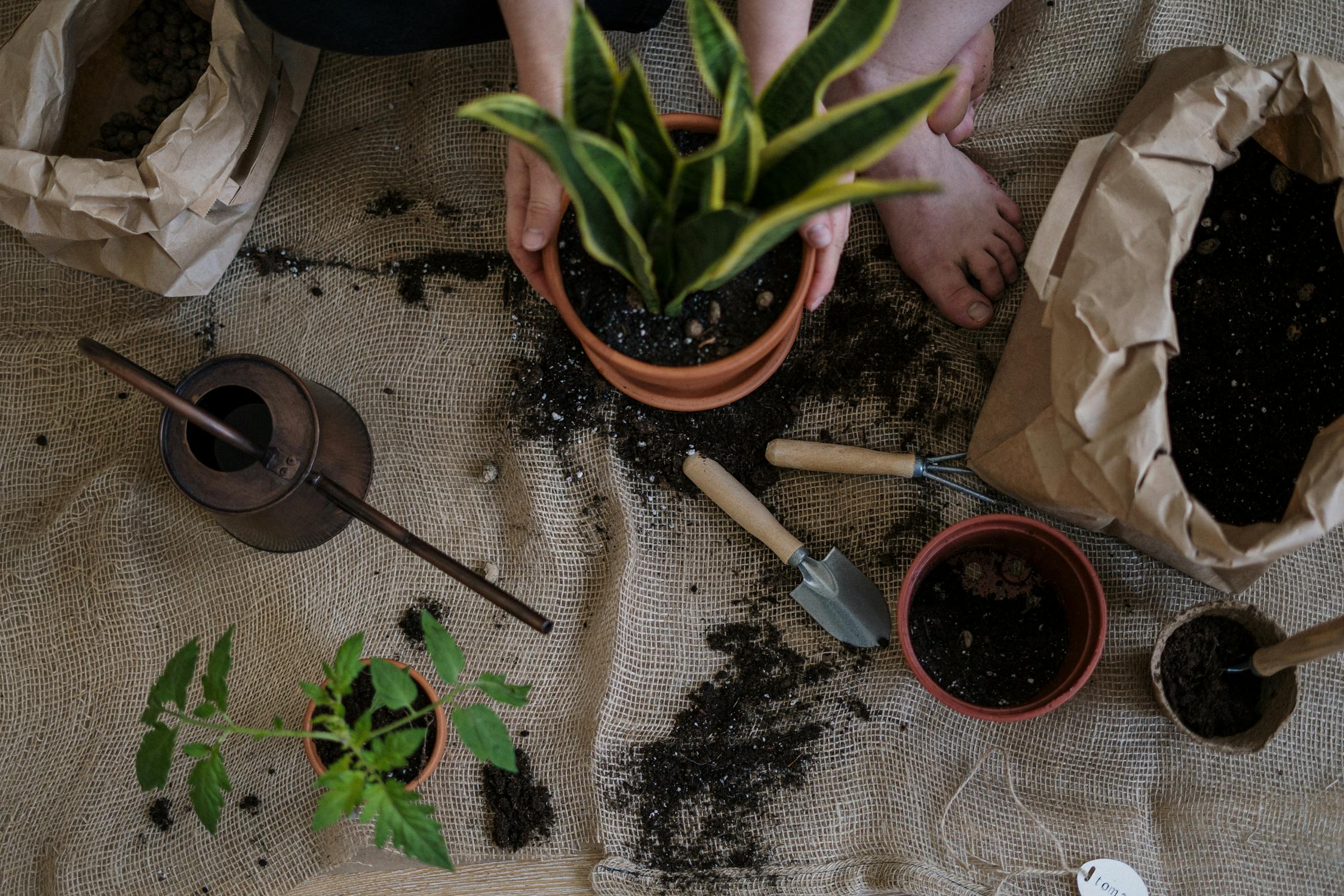
Living in an apartment doesn't mean you can't compost. From countertop bins to balcony tumblers, small-space composting methods let you reduce food waste and create nutrient-rich soil for your container plants—all without odors or pests.
Why Compost in a Small Space?
The average household throws away about 30% of its waste as food scraps. Composting diverts this from landfills where it produces methane, a potent greenhouse gas. Instead, you transform scraps into "black gold" that enriches your potted plants and windowsill herbs.
Best Composting Methods for Small Spaces
Vermicomposting (Worm Bins)
Red wiggler worms are composting champions, processing half their body weight in scraps daily. A compact worm bin fits under your sink or in a closet and produces both vermicompost and nutrient-rich "worm tea."
Pros:
- Fast decomposition (2-3 months)
- Produces high-quality compost
- Works year-round indoors
- Odorless when maintained properly
Cons:
- Requires learning curve
- Worms sensitive to temperature extremes
- Some people squeamish about worms
Bokashi Fermentation
This Japanese method uses beneficial microbes to ferment food waste in an airtight bucket. Unlike traditional composting, bokashi handles meat, dairy, and cooked foods—items off-limits for regular compost bins.
How It Works:
- Add food scraps to the bokashi bucket
- Sprinkle bokashi bran (inoculated with microbes) over scraps
- Press down to remove air and seal tightly
- Drain liquid every few days (use diluted as fertilizer)
- After 2 weeks, bury fermented matter in soil or outdoor compost
Electric Composters
Countertop electric composters like Lomi and FoodCycler use heat and agitation to break down scraps in hours. They produce a dry, odorless material that can be added directly to potted plants.
Considerations:
- Higher upfront cost ($300-500)
- Uses electricity
- Produces dried material rather than true compost
- Convenient and nearly foolproof
Balcony Tumblers
If you have outdoor space, a small tumbling composter makes traditional composting possible. Tumbling aerates the pile, speeding decomposition and reducing odors.
What to Compost (and What to Avoid)
Green Materials (Nitrogen-Rich)
- Fruit and vegetable scraps
- Coffee grounds and tea bags (remove staples)
- Fresh grass clippings
- Eggshells (crushed)
Brown Materials (Carbon-Rich)
- Dry leaves
- Shredded paper and cardboard
- Paper towels and napkins (unbleached)
- Sawdust from untreated wood
Avoid These:
- Meat and fish (except in bokashi)
- Dairy products (except in bokashi)
- Oils and greasy foods
- Diseased plant material
- Pet waste
- Treated or glossy paper
Preventing Common Problems
Odors
Bad smells indicate anaerobic conditions. Add more brown materials, ensure adequate airflow, and avoid overloading with wet scraps. Worm bins and bokashi systems are naturally odorless when functioning properly.
Fruit Flies
Keep a layer of browns on top of food scraps. Freeze scraps before adding them to kill eggs. Use a bin with a tight-fitting lid. For persistent problems, try a fruit fly trap nearby.
Slow Decomposition
Chop scraps into smaller pieces. Maintain moisture like a wrung-out sponge. Balance greens and browns roughly 50/50. In vermicomposting, ensure you have enough worms for your scrap volume.
Using Your Finished Compost
For Potted Plants
Mix finished compost into potting soil at a 25-30% ratio. Top-dress existing plants with a half-inch layer. Your houseplants and container vegetables will thrive on the slow-release nutrients.
Compost Tea
Steep finished compost in water for 24-48 hours, then strain. Use this liquid fertilizer to water plants for a quick nutrient boost.
Getting Started: Equipment Checklist
- Countertop collection bin: For storing scraps before transferring to main composter
- Main composting system: Worm bin, bokashi bucket, electric composter, or tumbler
- Brown materials: Stock up on shredded paper or dried leaves
- Bokashi bran: If using bokashi method
- Red wiggler worms: If vermicomposting (order online or get from local gardeners)
Composting in a small space is simpler than you might think. Choose the method that fits your lifestyle, start small, and soon you'll be turning kitchen waste into garden gold—no backyard required.
Keep exploring related guides
Follow the topic cluster below to discover more growing methods, troubleshooting advice, and crop-specific tutorials.