Succession Planting
Collard Greens: Bottle Growing & Successive Temperature Control
Learn how to collard greens recycled bottle growing in your apartment. Step-by-step guide with expert tips.
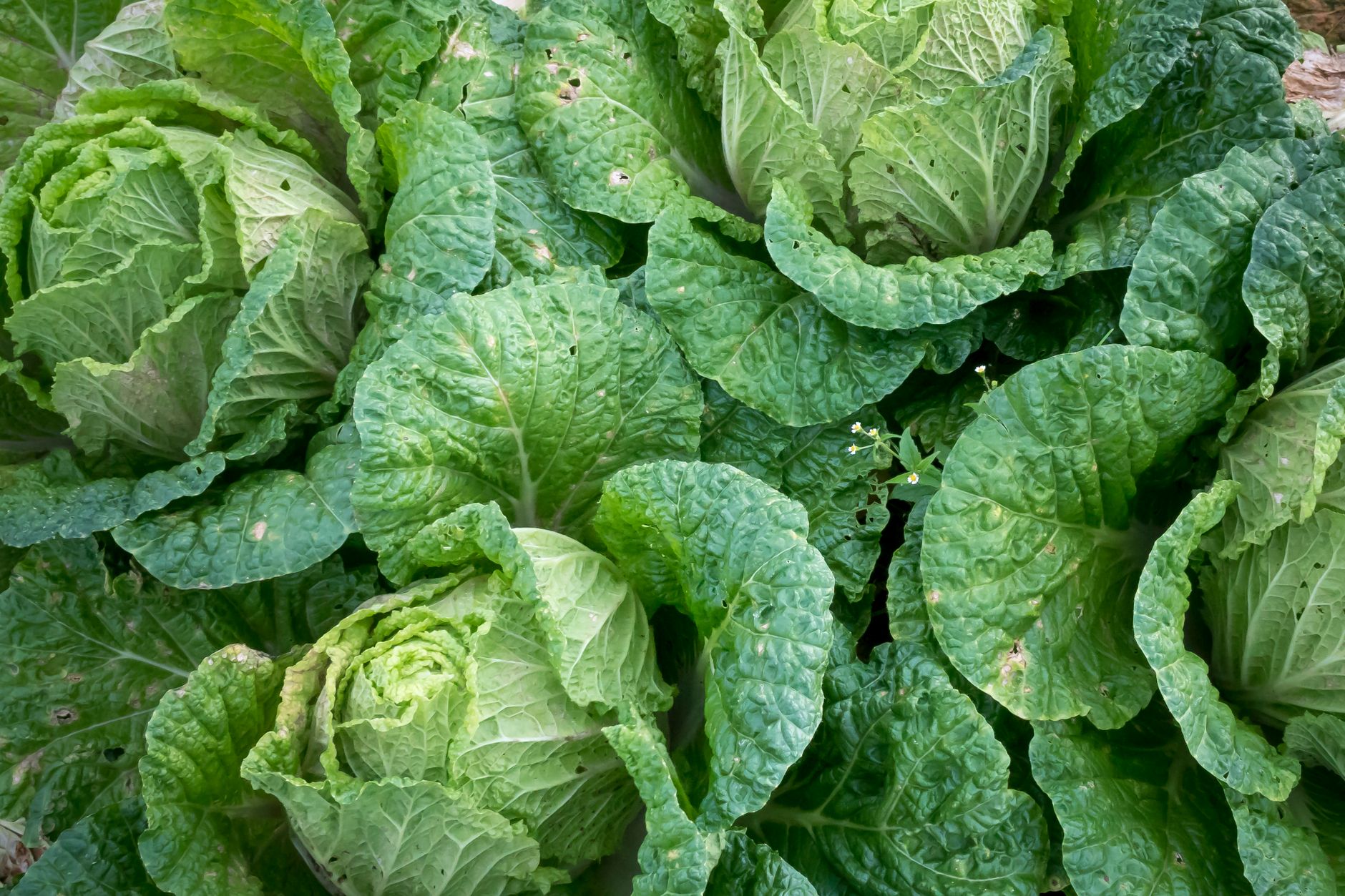
Collard Greens: Bottle Growing & Successive Temperature Control
Okay, so listen up, because I'm about to tell you about one of my absolute favorite hacks for getting a continuous supply of greens, even if you live in a shoebox apartment like I did in Brooklyn back in the day. We're talking about collard greens, folks! And not just any collard greens, but collard greens grown right there in a recycled plastic bottle, with a neat little trick called succession planting to keep those harvests coming. Trust me, it's more satisfying than finding a twenty in an old coat pocket.
I know what you're thinking: "Collards? In a bottle? Jamie, you've lost it." But hear me out. Collards are incredibly resilient, and with a bit of smart temperature control and a good growing rhythm, they thrive in these smaller, contained environments. Plus, there's something incredibly gratifying about turning a soda bottle into a mini food factory. It’s part of that succession planting for continuous harvest all season magic I love so much.
Why Collard Greens Does So Well with Succession Planting
Collard greens are brassicas, right? Cousins to kale and cabbage. What does that mean for us urban gardeners? It means they're tough. They can handle a bit of neglect (though we're not going to neglect them, obviously), and they actually love cool weather. This is key for our recycled bottle growing adventure.
The beauty of succession planting with collards, especially in small containers, is that you’re not waiting for one big harvest. You’re always starting new plants as others mature. This isn't just about maximizing yield; it's about optimizing space and time. You get tender, young leaves more often, which are, frankly, way tastier than those giant, leathery ones you sometimes get from a single-plant, one-harvest approach. It's also why I swear by it for things like maximizing parsley harvests in raised beds.
Another thing with collards: they can go from seed to baby greens in about 3-4 weeks, and to a decent harvest in 6-8 weeks. That quick turnaround makes them perfect candidates for successive planting in small containers. You're not committing to a monster plant for months on end. You're getting quick wins, which is super encouraging for new micro-gardeners.
What You'll Actually Need
Let's get down to brass tacks. You don't need a lot of fancy gear for this, which is part of its charm.
- The Container: A Recycled Plastic Bottle. Seriously. A 2-liter soda bottle or a milk jug works perfectly. Wash it out thoroughly. You'll want to cut it in half or just above the label, making sure you have enough depth for roots – at least 6-8 inches is ideal. Don't forget drainage holes! Poke about 4-6 holes in the bottom with a hot nail or a sturdy pair of scissors. This is crucial. I once ruined a whole batch of basil by forgetting drainage. Soggy roots are sad roots.
- Good Quality Potting Mix. This isn't where you want to skimp. I've had incredible success with FoxFarm Ocean Forest. It's got a great blend of forest products, bat guano, and kelp meal – basically, super yummy plant food. If that's too pricey, any organic potting mix that's well-draining will work. Don't use garden soil; it's too dense for containers and can bring in pests.
- Collard Green Seeds. Pick a variety you like. 'Georgia Southern' is a classic, really robust. 'Vates' is another good, compact choice for containers.
- A Warm Spot for Germination. Somewhere consistently around 70-75°F (21-24°C). A sunny windowsill, top of the fridge (if it's constantly warm), or a heat mat if you're fancy.
- A Cooler Spot for Growth. This is our secret sauce. Once they sprout, collards prefer cooler temps, ideally 55-70°F (13-21°C). Think a bright, slightly cooler window, or even outdoors if your climate allows and protects it from hard frosts.
- Grow Light (Optional, but highly recommended). Especially if you're in a northern climate like I've dealt with in Chicago winters. You're looking for something that provides 8-12 hours of light. Even a cheap LED shop light (Home Depot has some decent ones) will make a HUGE difference. Last March, my first collard greens batch in a recycled plastic bottle got leggy because I skimped on light – lesson learned the hard way. Stems literally stretched for light like tiny, desperate giraffes.
- Spray Bottle. For misting.
- Organic Liquid Fertilizer. Something balanced, like a 5-5-5 or 4-3-3. Fish emulsion or seaweed extract works wonders.
The Growing Process, Step by Step
This whole process takes about 6-8 weeks for harvestable leaves, but remember, with succession, you're always a few weeks apart with your plants.
- Prep Your Bottle (Week 0): Cut your bottle, poke those drainage holes. Fill it with potting mix, leaving about an inch from the top.
- Seed Sowing & Warm Start (Week 0-1): Plant 2-3 collard seeds about ¼ inch deep in the center of your bottle. Gently cover with soil. Mist thoroughly. Place your bottle in that warm spot (70-75°F/21-24°C). This warmth helps quick germination. Keep the soil consistently moist, but not waterlogged.
- Germination & Light Check (Week 1): You should see sprouts in about 3-7 days. As soon as you see those little green heads pop up, it’s grow light time! Or, if you have ample natural light, place them there. Remember my leggy giraffes? Don't let your collards become giraffes.
- Thinning & Cooling Down (Week 2-3): Once your seedlings have their first true leaves (not the tiny round seed leaves), thin them to the strongest single plant per bottle. Snip the weaker ones at the soil line with small scissors. Be ruthless, it hurts but it's for the best. Now, move your bottle to a cooler, still bright spot (55-70°F/13-21°C). This is where the magic of temperature control really kicks in for collards. Cooler temps make for stronger, tastier leaves and prevent bolting (going to seed prematurely).
- First Feed & Consistent Care (Week 3-5): Start feeding them with diluted liquid fertilizer, perhaps at half-strength, every other watering. Collards are hungry! Keep the soil consistently moist. As the plant grows, you'll feel the weight of the bottle change, telling you when it's thirsty.
- Successive Planting Prep (Week 4): This is when you'd normally start your *next* batch of collards following steps 1-3. So, as one plant is growing big, another one is just getting started. It’s a beautiful cycle!
- Continue Feeding & Growing (Week 6-8): Increase fertilizer to full strength once a week. Your collard plant should be getting robust. The leaves will take on that deep green, slightly waxy appearance. You'll start to see those lower leaves getting to a good size.
Mistakes I've Made (So You Don't Have To)
Oh, the joys of gardening, right? It's really just a series of glorious failures and triumphant successes. My biggest boo-boo with collard greens recycled bottle growing? Besides the leggy light situation I mentioned, it was definitely overwatering in the early stages coupled with not enough drainage. I thought "moist" meant "swimming pool." Nope. Ended up with dampening-off disease, where seedlings just keel over at the soil line. It's heartbreaking. So, drainage, drainage, drainage! And if the top inch of soil feels dry, then water. Otherwise, leave it. Also, forgetting to rotate the bottle. Plants always lean towards the light, so give it a quarter turn every few days to keep it growing straight and even. It's a tiny detail, but it matters.
Little Things That Make a Big Difference
- Humidity: Collards like a bit of humidity, especially when they're young. A quick misting with your spray bottle a couple of times a day can help, particularly in dry indoor environments. It's why I focused on humidity control for Mason Jar Nasturtiums, too.
- Airflow: Even though it's a small container, good air circulation prevents fungal issues. If you have a small fan, a gentle breeze for an hour or two can be beneficial.
- Soil pH: Collards prefer a slightly acidic to neutral soil, around 6.0 to 7.0. Most good potting mixes will be in this range, but if you're feeling adventurous and have a pH testing kit, it doesn't hurt to check. Cornell Extension has some great resources on soil pH if you want to dive deeper (check 'em out).
- Pest Watch: Keep an eye out for aphids or little whiteflies, especially on the undersides of leaves. A simple solution of a few drops of dish soap in a spray bottle of water can take care of most minor infestations if caught early.
When to Harvest and What to Expect
You can start harvesting individual outer leaves when they're about 6-8 inches long, usually around 6-8 weeks from planting. Just snip them off at the base with clean scissors or pinch them off carefully. Don't take more than about a third of the leaves at a time to keep the plant producing. The more you harvest, the more it encourages new growth from the center!
The leaves will be tender, slightly sweet, and have that unmistakable collard flavor without being too bitter. They're amazing steamed, sautéed, or even chopped raw into salads. With this system, you should be able to get several harvests from each bottle before the plant eventually starts to peter out or get too woody. That's when your next successively planted bottle is ready to take its place! It's a beautiful, ongoing cycle of fresh greens. Give collard greens recycled bottle growing a try; you won't regret it.
And hey, if you get really into this bottle growing thing, check out my post on growing lemon thyme in mason jars – same principle, different herb, equally satisfying results!
Keep exploring related guides
Follow the topic cluster below to discover more growing methods, troubleshooting advice, and crop-specific tutorials.