cold frame
Cold Frame Gardening for Year-Round Harvests
Master cold frame gardening to extend your growing season by months. Learn to build, position, and manage cold frames for fresh vegetables even in winter.
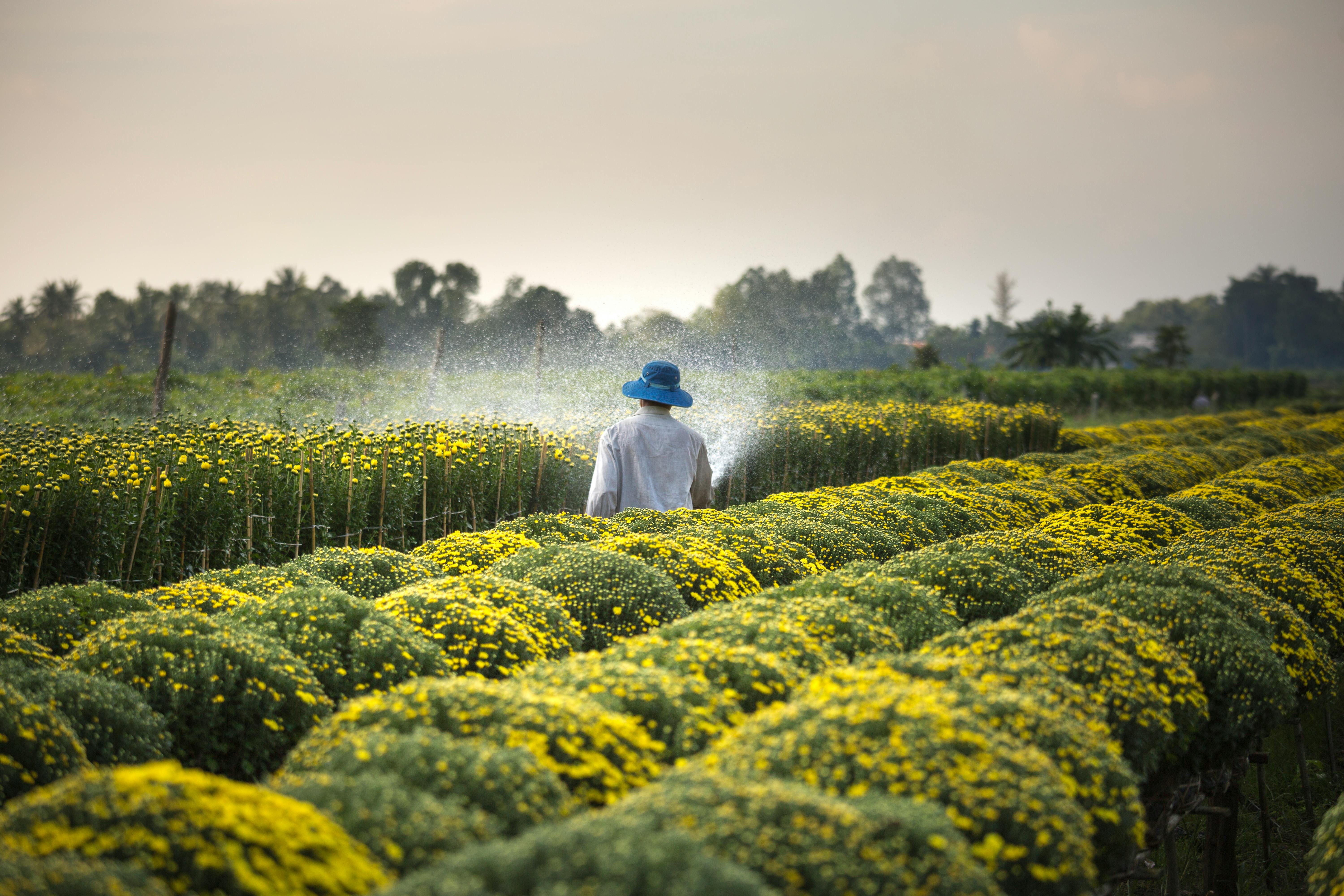
Cold frames represent one of the simplest and most effective season extension tools, creating protected growing spaces that harvest solar energy to keep plants thriving through frost and cold.
Understanding Cold Frame Benefits
A cold frame is essentially a bottomless box with a transparent lid that captures solar radiation while protecting plants from wind, frost, and harsh weather. This simple technology extends growing seasons dramatically.
Temperature Modification
On sunny winter days, cold frame interiors can reach 30-40°F warmer than outside air. This warmth allows cold-hardy crops to continue growing when outdoor temperatures would halt growth entirely.
Season Extension Potential
Well-managed cold frames extend fall harvests 4-8 weeks beyond first frost and allow spring planting 4-6 weeks earlier than open ground. In mild climates, year-round production becomes possible.
Cold Frame Design Basics
Effective cold frames share common design elements that maximize solar gain while providing adequate protection.
Orientation
Position cold frames facing south to capture maximum winter sunlight. Angle the lid 35-45 degrees to optimize solar collection during low winter sun angles.
Size Considerations
Standard cold frames measure 3-4 feet wide for easy reach to the back. Length varies based on available space and materials. Taller backs (18-24 inches) accommodate larger plants.
Lid Materials
Traditional cold frames use old windows, but polycarbonate panels offer superior durability and insulation. Twin-wall polycarbonate provides excellent light transmission with better heat retention than single glazing.
Building a Simple Cold Frame
Basic cold frames require minimal materials and can be constructed in an afternoon.
Frame Construction
Build frames from rot-resistant lumber like cedar or treated pine. The back should be taller than the front to create the angled lid. Corner braces add stability to the structure.
Lid Assembly
Attach the lid with sturdy hinges that allow full opening for ventilation and harvesting. Add a prop stick or automatic vent opener to prevent overheating on sunny days.
Sealing and Insulation
Caulk joints to prevent drafts. Bank soil or straw bales around the exterior for additional insulation. Weatherstripping between lid and frame reduces heat loss.
Siting Your Cold Frame
Location significantly impacts cold frame performance throughout the season.
Sun Exposure
Choose a spot receiving full winter sun, typically 6+ hours daily. Avoid areas shaded by buildings, fences, or evergreens during low winter sun angles.
Wind Protection
Position near buildings or hedges that block prevailing winter winds. Wind dramatically increases heat loss from cold frame structures.
Drainage
Ensure good drainage to prevent waterlogging. Slightly raised locations prevent cold air pooling that occurs in low spots.
Temperature Management
Successful cold frame gardening requires attention to temperature fluctuations that can damage plants.
Ventilation
Open lids when interior temperatures exceed 70°F to prevent heat stress. Even in winter, sunny days can overheat closed cold frames. Prop lids partially open on mild days.
Automatic Vent Openers
Solar-powered wax cylinder openers automatically raise lids when temperatures rise. These inexpensive devices prevent disaster when gardeners cannot tend frames daily.
Night Insulation
Cover cold frames with old blankets, straw, or rigid foam insulation on cold nights. Remove covers each morning to allow sunlight entry. This practice can add 10-15°F of cold protection.
Best Crops for Cold Frames
Cold-hardy vegetables thrive in cold frame conditions, providing fresh harvests through winter.
Leafy Greens
Spinach, mache, claytonia, and winter lettuce varieties grow actively in cold frames. These crops tolerate temperatures into the low 20s°F while continuing slow growth.
Asian Greens
Tatsoi, mizuna, and pak choi excel in cold frame culture. Their fast growth allows multiple harvests through the cool season.
Root Vegetables
Carrots, beets, and radishes planted in fall store perfectly in cold frame soil. The cold frame prevents ground from freezing solid, allowing harvest throughout winter.
Seasonal Management
Cold frame care varies throughout the year as conditions and crop needs change.
Fall Transition
Plant cold-hardy crops 4-6 weeks before first frost to establish before cold weather. Close frames nightly as temperatures drop, opening during warm days.
Winter Care
Harvest outer leaves regularly, allowing centers to continue growing. Water sparingly as evaporation slows dramatically. Brush snow from lids to admit light.
Spring Startup
Begin warm-season transplant hardening in cold frames 2-4 weeks before last frost. Gradually increase ventilation as temperatures rise.
Troubleshooting Common Problems
Understanding common issues helps maintain productive cold frame gardens.
Overheating
The most common cold frame problem, overheating kills more plants than cold. Install automatic vents or check frames multiple times daily during sunny weather.
Excessive Moisture
Poor ventilation creates humid conditions favoring disease. Ensure adequate air circulation even in cold weather. Water in morning so foliage dries before evening.
Pest Problems
Slugs and mice appreciate cold frame shelter. Use traps and barriers as needed. Check under lids and in corners where pests hide.
Keep exploring related guides
Follow the topic cluster below to discover more growing methods, troubleshooting advice, and crop-specific tutorials.