Raised Bed
Building Raised Garden Beds: Complete DIY Guide
Learn how to build raised garden beds with this complete DIY guide. Discover materials, dimensions, soil mix, and tips for successful raised bed gardening.
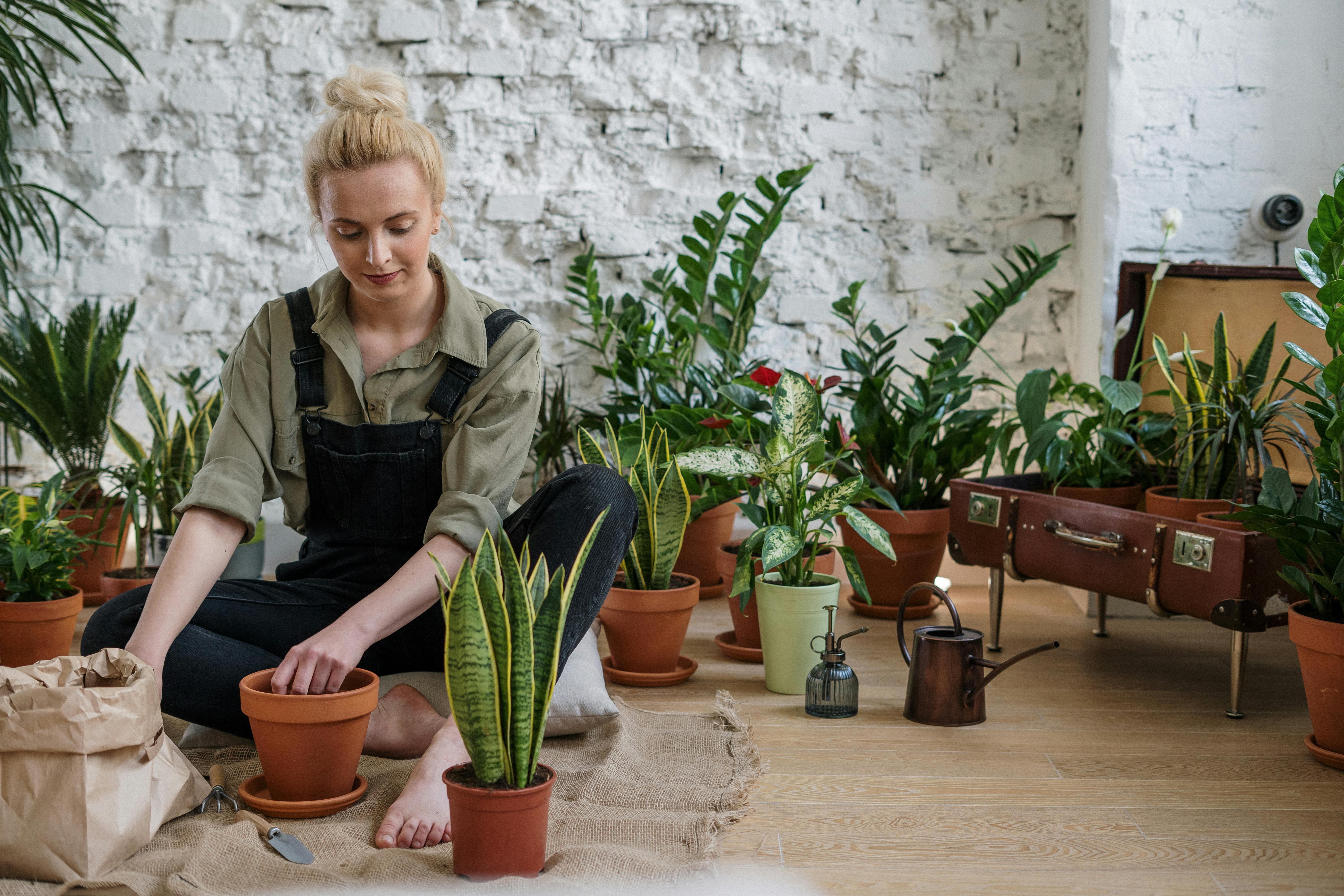
Raised garden beds offer numerous advantages over traditional in-ground gardening, including better drainage, improved soil quality, and easier access for planting and harvesting. Building your own raised beds is a rewarding project that can be completed in a weekend.
Why Choose Raised Bed Gardening
Raised beds provide gardeners with complete control over soil quality, making them ideal for areas with poor native soil. They warm up faster in spring, extend the growing season, and reduce problems with soil compaction and weeds.
Choosing the Right Materials
Cedar and redwood are naturally rot-resistant and excellent choices for raised beds. Untreated pine is more affordable but will need replacement sooner. Avoid pressure-treated wood for edible gardens, or use food-safe liners.
Optimal Dimensions
Keep beds no wider than 4 feet so you can reach the center from either side. Length can vary, but 8-12 feet is manageable. Height of 12-18 inches works well for most vegetables, while 24 inches is better for root crops or accessibility.
Building Your Raised Bed
Cut boards to length, pre-drill holes to prevent splitting, and use exterior screws or bolts at corners. Add corner posts for extra stability. Level the bed on your chosen site and consider adding hardware cloth to the bottom to deter burrowing pests.
The Perfect Soil Mix
Fill beds with a mix of 60% topsoil, 30% compost, and 10% amendments like perlite or vermiculite. This creates well-draining, nutrient-rich growing medium. Add 2-3 inches of compost annually to maintain fertility.
Planting in Raised Beds
Use square foot gardening or intensive planting methods to maximize space. Install trellises for vertical growing. Rotate crops annually to prevent disease and nutrient depletion.
For more gardening tips, check out our guide on soil health fundamentals and companion planting strategies.
Keep exploring related guides
Follow the topic cluster below to discover more growing methods, troubleshooting advice, and crop-specific tutorials.