Ebb and Flow
Ultimate Guide to Hydroponic Root Vegetables: Underground Success
Comprehensive guide to growing root vegetables hydroponically. Master carrots, beets, radishes, and turnips with proper container depth, nutrients, and harvesting techniques.
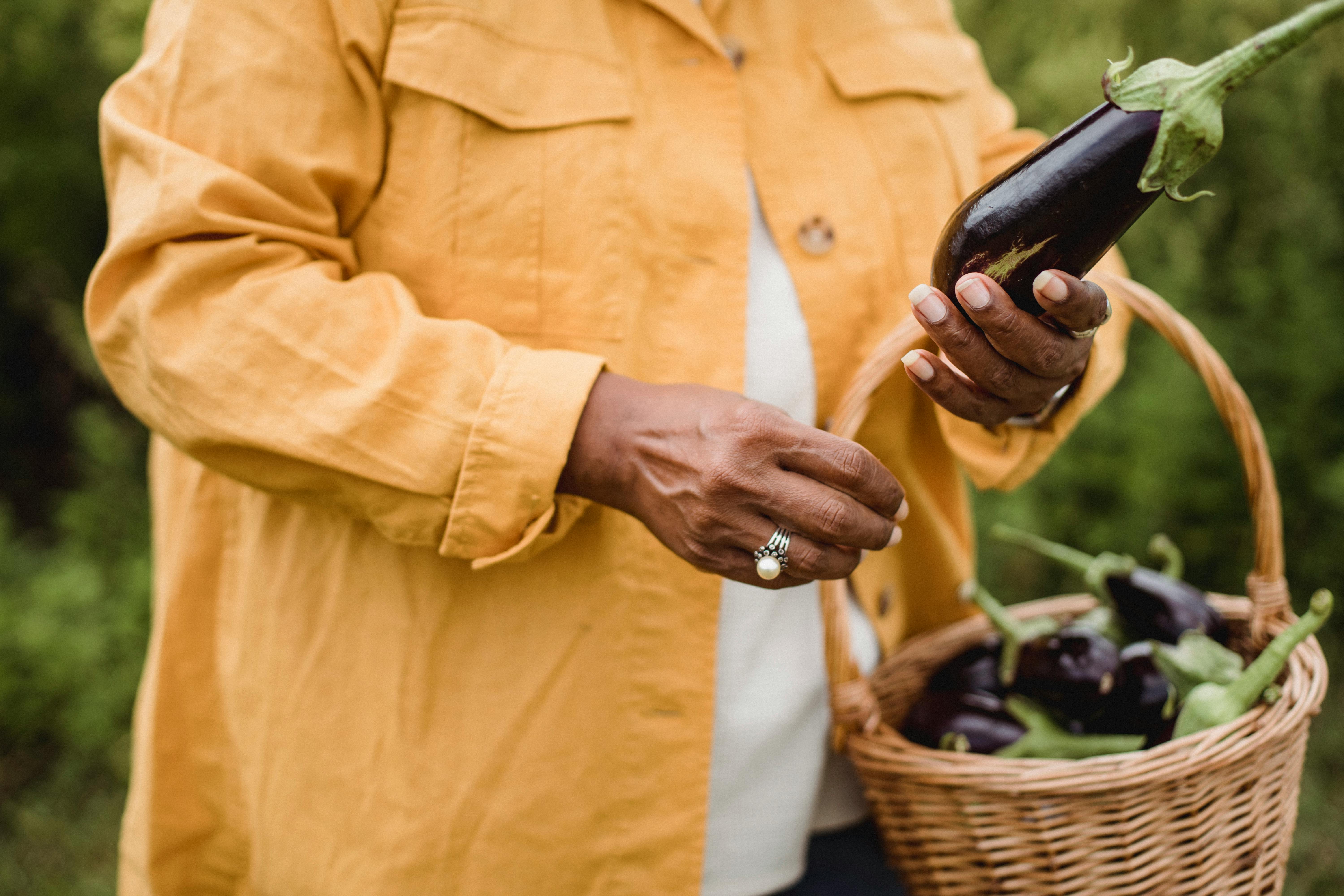
Root vegetables represent the final frontier of hydroponic gardening for many growers. While traditionally considered soil-dependent crops, modern techniques prove that carrots, beets, radishes, and turnips all thrive in properly designed hydroponic systems.
This comprehensive guide synthesizes best practices across all major root vegetables, helping you understand the unique requirements and shared principles that lead to successful harvests.
Why Grow Root Vegetables Hydroponically?
Hydroponic root vegetables often surpass soil-grown quality. Without rocks or compacted soil, roots grow straight and uniform. Controlled nutrition produces sweeter, more flavorful roots. The absence of soil-borne pests eliminates common problems like carrot rust fly.
Year-round production becomes possible regardless of outdoor conditions, providing fresh root vegetables whenever needed.
Understanding Root Vegetable Categories
Root vegetables fall into several categories with distinct growing requirements. True roots like carrots and beets store food in the taproot. Modified stems like potatoes store food in tubers. Bulbs like onions store food in layered scales.
Each category requires different container depths, growing media, and harvesting approaches for optimal results.
Container Depth Requirements
Radishes and turnips succeed in 6-8 inch containers. Beets require 6-8 inch minimum but benefit from deeper containers. Carrots need 10-12+ inches depending on variety. Baby varieties of all crops can be grown in shallower systems.
Always match container depth to expected root length plus 2-3 inches for drainage and root zone space.
Choosing Growing Media
Perlite mixed with vermiculite provides excellent root support for most vegetables. Clay pebbles work well for larger containers but may need a perlite top layer for small seeds. Coconut coir holds moisture but requires careful pH management.
The medium must drain well while maintaining moisture contact with developing roots. Poor drainage causes rot while excessive drying stunts development.
System Selection by Crop
Ebb and flow systems work well for all root vegetables, providing regular nutrient exposure with good drainage. DWC requires careful oxygen management but produces fast growth. NFT suits shallow-rooted crops like radishes but limits carrot and beet options.
Consider maintenance requirements and available space when selecting systems for root vegetable production.
Nutrient Management Principles
Root vegetables generally require lower nitrogen than leafy crops to prevent excessive top growth. Phosphorus supports root initiation and development. Potassium enhances flavor, color, and storage quality.
EC ranges vary by crop: radishes prefer 1.2-1.6, beets tolerate 1.8-2.4, carrots do best at 1.6-2.0. Monitor and adjust based on plant response.
Temperature Considerations
Most root vegetables prefer cool conditions. Radishes and turnips grow best at 55-65°F. Carrots and beets prefer 60-70°F. Heat stress causes bitterness, bolting, and poor root development across all species.
Root zone temperature matters more than air temperature. Keep nutrient solution cool for best results.
Succession Planting Strategies
Stagger plantings to ensure continuous harvests. Fast crops like radishes benefit from weekly succession plantings. Longer-season crops like carrots need less frequent but consistent succession schedules.
Calculate backward from desired harvest dates when planning. Account for seasonal variations in growth rate.
Common Problems Across Root Vegetables
Forked or misshapen roots indicate nutrient imbalances or inconsistent conditions. Bitter flavor develops from heat stress or water stress. Hollow centers result from rapid growth followed by stress. Cracked roots occur when growth rate changes suddenly.
Consistent conditions throughout the growing period prevent most common problems.
Harvesting and Storage
Harvest at appropriate size for each crop variety. Oversized roots become woody and bitter. Morning harvest provides crispest texture. Store unwashed in cool, humid conditions for longest shelf life.
Hydroponic roots often store longer than soil-grown due to cleaner surfaces and less harvest damage.
Keep exploring related guides
Follow the topic cluster below to discover more growing methods, troubleshooting advice, and crop-specific tutorials.